
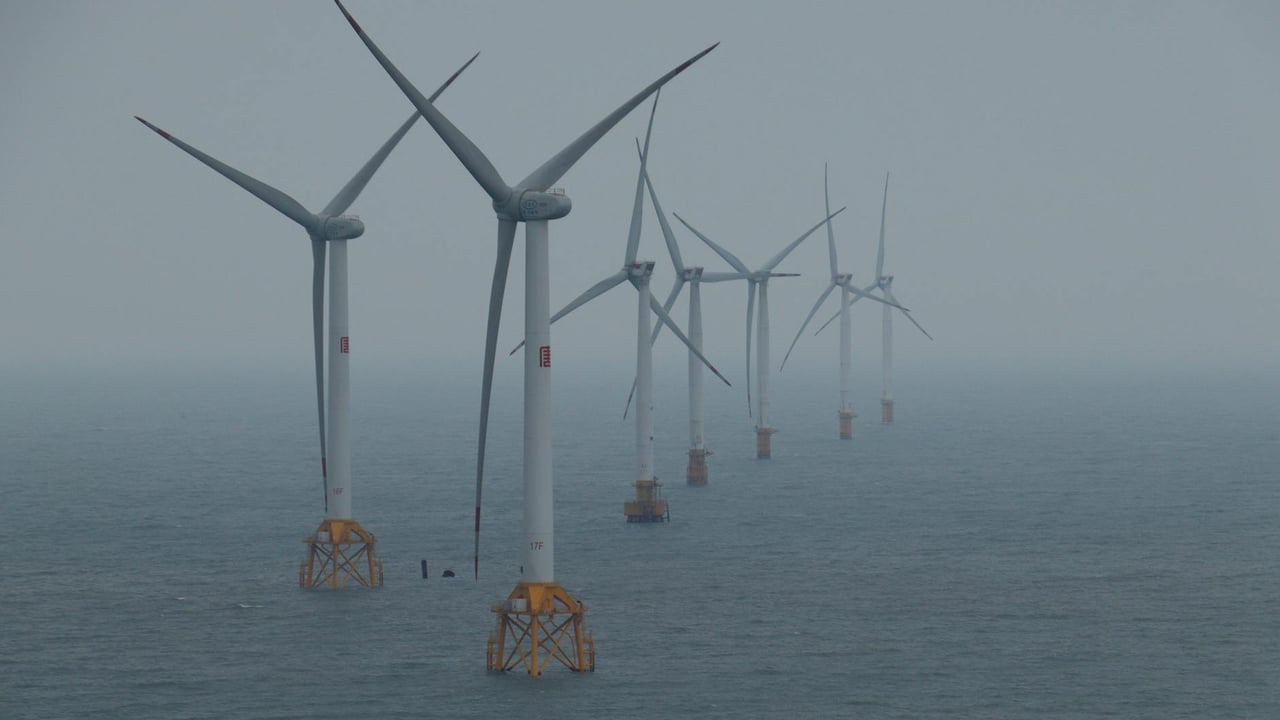

The diplomatic climate between London and Beijing has chilled further following a decision by the British government to exclude Mingyang Smart Energy, a global titan in wind turbine manufacturing, from its domestic offshore wind projects. A spokesperson for China’s Ministry of Commerce (MOFCOM) issued a stern rebuke this week, framing the move as a betrayal of the 'open and free' market principles that Britain has championed for decades. This development marks a significant escalation in the use of 'national security' as a tool for trade protectionism in the renewable energy sector.
The tension stems from a statement issued by the UK Energy Secretary, which explicitly withdrew support for Mingyang’s participation in critical infrastructure projects. While London cites security vulnerabilities inherent in Chinese-made grid technology, Beijing views the exclusion as a politically motivated barrier that will ultimately hamper the UK’s own decarbonization goals. MOFCOM argued that the ban would not only stifle local economic growth but also result in higher energy costs for British consumers by removing a competitive, low-cost supplier from the market.
Chinese officials are particularly keen to highlight what they perceive as a reversal in British policy. They pointed to Prime Minister Keir Starmer’s visit to China in January 2026, during which he expressed a commitment to deepening cooperation in trade, investment, and environmental protection. From Beijing's perspective, this new exclusion contradicts the spirit of 'pragmatic cooperation' promised just months ago, casting doubt on the stability of the bilateral relationship under the current administration.
As the UK attempts to balance its 'Net Zero' ambitions with a policy of 'de-risking' its supply chains, the fallout from the Mingyang case suggests that green technology is becoming the next major battlefield for geopolitical influence. China remains the dominant player in the global wind and solar supply chains, making total exclusion a costly and complex endeavor for Western nations. For now, the Ministry of Commerce has called for a 'fair, just, and non-discriminatory' environment, signaling that future Chinese investment in the UK may be contingent on more favorable treatment of its corporate champions.