Brinkmanship in Islamabad: The Fragile Diplomacy of the US-Iran Ceasefire

As a temporary ceasefire nears its end, the US and Iran are exploring a second round of face-to-face talks in Islamabad to overcome deep-seated mistrust. While a potential extension of the truce remains on the table, significant disagreements over 'red lines' continue to stall a comprehensive agreement.

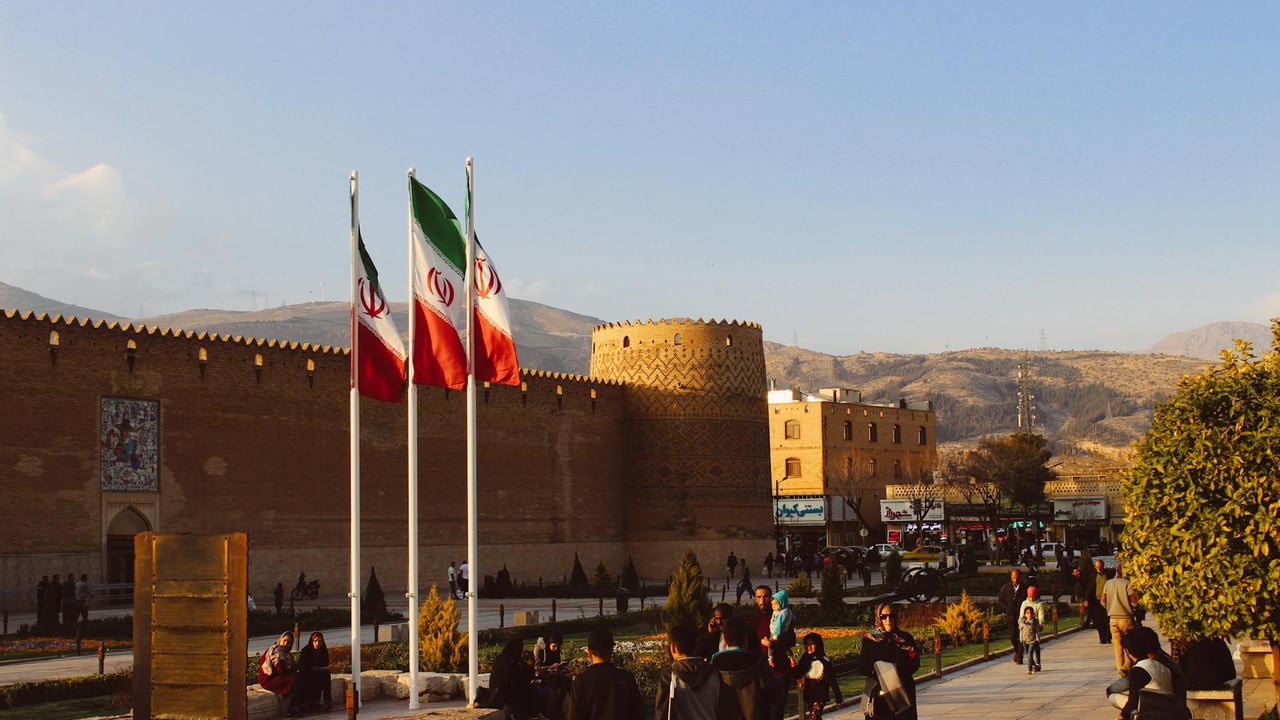
Karim Khan Citadel with Iranian flags in Shiraz, Iran at sunset.

Key Takeaways

  • 1Negotiations in Islamabad ended on April 12 without a formal agreement, citing a climate of suspicion.
  • 2A second round of direct talks is tentatively proposed for April 16, with Geneva and Islamabad as candidate locations.
  • 3A two-week extension of the current ceasefire is under consideration to prevent an immediate return to hostilities.
  • 4Core disputes center on 2-3 critical issues where the US 'red lines' conflict with Iranian strategic demands.
  • 5Regional instability, including tensions in the Strait of Hormuz, adds immense pressure to the diplomatic timeline.

Editor's
Desk

Strategic Analysis

The upcoming April 16 session is more than a mere diplomatic follow-up; it is a pressure-cooker summit that will determine if the 2026 regional crisis can be contained. The current impasse stems from a fundamental disconnect: the U.S. views the ceasefire as a prerequisite for containment, while Iran perceives it as a tactical pause to gather leverage. If the talks fail to produce even a technical extension of the truce, we likely face a shift from 'gray zone' skirmishes to open maritime warfare in the Strait of Hormuz. The involvement of Pakistan as a mediator highlights a shift in traditional diplomacy, suggesting that Western-centric venues like Vienna are no longer sufficient to bridge the trust gap between these two adversaries.

China Daily Brief Editorial
Strategic Insight
China Daily Brief

A high-stakes diplomatic gamble is unfolding in Islamabad as American and Iranian officials struggle to salvage a fraying peace process. Following a fruitless round of negotiations that concluded on April 12, the two sides are reportedly weighing a second face-to-face encounter, potentially as early as April 16. The atmosphere in the Pakistani capital remains thick with mutual suspicion, as the expiration of a critical two-week ceasefire looms over the proceedings.

Despite the lack of an immediate breakthrough, back-channel communications between Washington and Tehran have not ceased. Sources close to the White House suggest that internal deliberations are focused on the feasibility of another direct meeting before the current truce expires. While Islamabad has emerged as the primary venue, other neutral grounds such as Geneva are being reconsidered as alternatives to break the psychological deadlock that characterized the previous session.

Tehran has characterized the current climate as one defined by profound mistrust, citing fundamental disagreements on two or three 'core issues.' Conversely, Washington maintains that it has laid out clear red lines regarding regional security and maritime transit—conditions that Iran has so far found unpalatable. The prospect of a two-week extension to the ceasefire is being floated as a temporary measure to buy time, but such a delay may only postpone an inevitable confrontation.

The geopolitical stakes are amplified by a volatile regional backdrop. In the margins of these talks, tensions in the Strait of Hormuz remain acute, and reports of sporadic military friction involving regional actors continue to threaten the fragile status quo. For the international community, the Islamabad talks represent the last line of defense against a broader regional conflagration that could disrupt global energy markets and pull major powers into a direct conflict.

Share Article

Related Articles

📰
No related articles found