
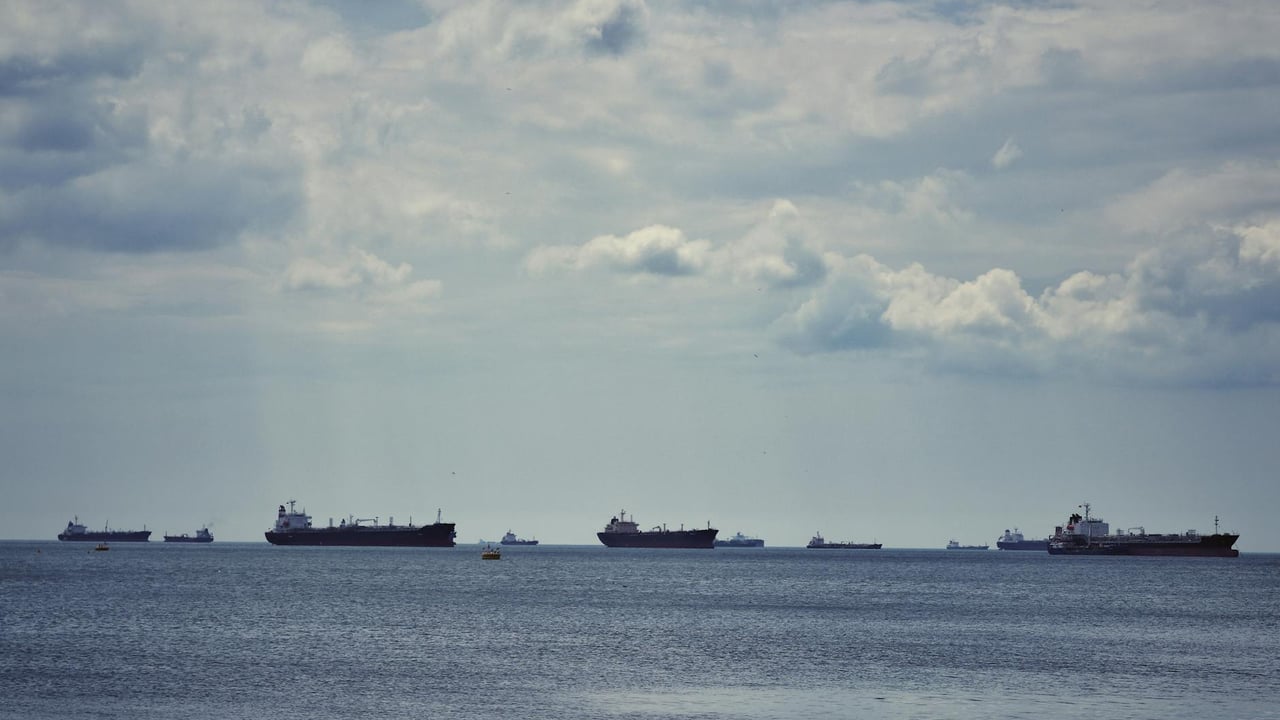

China’s robust start to 2026, characterized by a return to double-digit trade growth in the first quarter, is facing an immediate and severe test from rising tensions in the Middle East. Despite total trade values remaining above the 10 trillion yuan threshold for twelve consecutive quarters, the sudden escalation in the Strait of Hormuz has introduced a volatility that Beijing is struggling to contain.
Lyu Daliang, a spokesperson for the General Administration of Customs, highlighted the existential importance of the waterway, which handles a quarter of global maritime oil trade and nearly a third of liquefied petroleum gas. For a nation that functions as the world's primary manufacturing hub, any disruption to this maritime jugular acts as a direct tax on industrial output and logistics efficiency.
The economic transmission of the conflict is already manifesting through a spike in fuel prices and ballooning shipping costs. These imported cost pressures are trickling down through global supply chains, threatening to erode the competitive pricing of Chinese exports. Current projections from the World Trade Organization suggest a broader downward revision for global trade growth as these inflationary pressures take hold.
Data from March already reflects this cooling effect, showing a sharp reversal in China’s trade with the Middle East from growth to contraction. While the first two months of the year were buoyed by strong demand, the onset of hostilities has forced a reassessment of risk and a slowdown in cargo movement across the region.
Beijing has responded with its traditional diplomatic formula, calling for de-escalation and the resolution of disputes through political channels. However, the stakes are uniquely high for the Chinese leadership, as the stability of the Strait of Hormuz remains the single most critical factor for China's long-term energy security and the continued momentum of its export sector.