
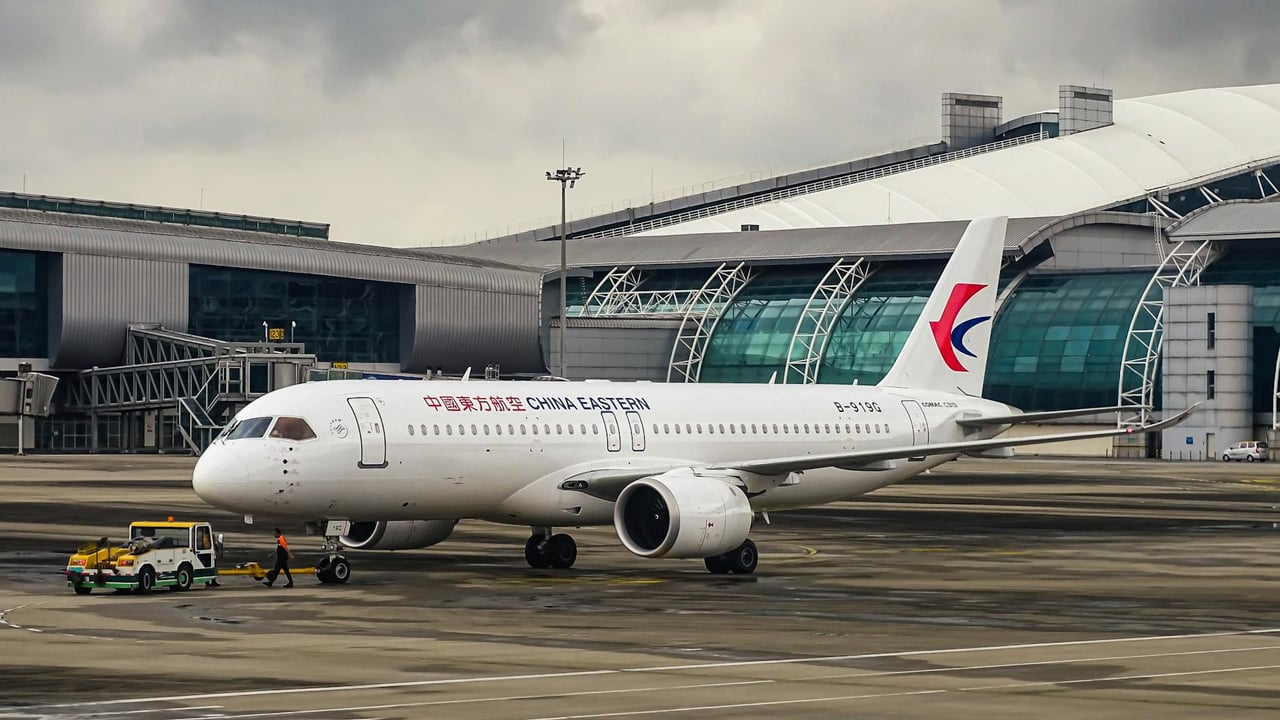

As the May Day holiday approaches, Chinese travelers are facing an unexpected wave of flight cancellations. What was supposed to be a peak season for tourism is instead seeing a strategic retreat by major airlines, particularly on routes connecting China to Southeast Asia and Oceania. Many passengers have taken to social media to report that their pre-booked trips have been scrapped as carriers struggle with a volatile economic environment.
The primary culprit behind this disruption is the staggering rise in global jet fuel prices. According to data from the International Air Transport Association (IATA), the average global price of aviation fuel spiked to $209 per barrel in early April, more than doubling from the $99.40 recorded in late February. For an industry where fuel accounts for roughly a quarter of all operating expenses, this surge has made many regional routes financially unviable.
Major regional players like Cathay Pacific and AirAsia X have already begun trimming their schedules to mitigate cost pressures. Cathay Pacific recently announced cancellations for May and June on short-haul regional routes and specific flights to Australia and South Africa. Similarly, AirAsia X has suspended its Bangkok-Shanghai route, citing an inability to reach break-even points under current fuel conditions. These moves reflect a broader trend where airlines prioritize liquidity over market share in high-cost environments.
While leisure routes to the tropics are being slashed, a surprising pivot is occurring toward the European market. Chinese carriers are aggressively expanding their footprint in Europe, capitalizing on a unique geopolitical advantage. Unlike their European counterparts, Chinese airlines retain access to Russian airspace, significantly reducing flight times and fuel consumption on long-haul journeys to the West. This competitive edge allows them to maintain profitability on routes where others are struggling.
However, the outlook remains precarious even for these lucrative corridors. Experts warn that the aviation industry generally enters a period of loss when crude oil prices exceed the $80 per barrel threshold. With Middle Eastern tensions threatening supply chains and European airports warning of potential fuel shortages, the current period of expansion could quickly turn into another round of retrenchment. The survival of many carriers now depends less on passenger volume and more on their ability to manage fuel logistics and operational efficiency.