

In the complex hierarchy of Chinese urbanism, provincial capitals occupy a privileged position, often benefiting from a 'strong capital' strategy that funnels regional resources into a single flagship city. A five-year analysis of China’s 27 provincial capitals reveals a starkly divergent landscape where policy intervention and industrial adaptability determine survival. While the top tier remains relatively stable, the 'middle class' of Chinese cities is undergoing a seismic shift in rankings and economic momentum.
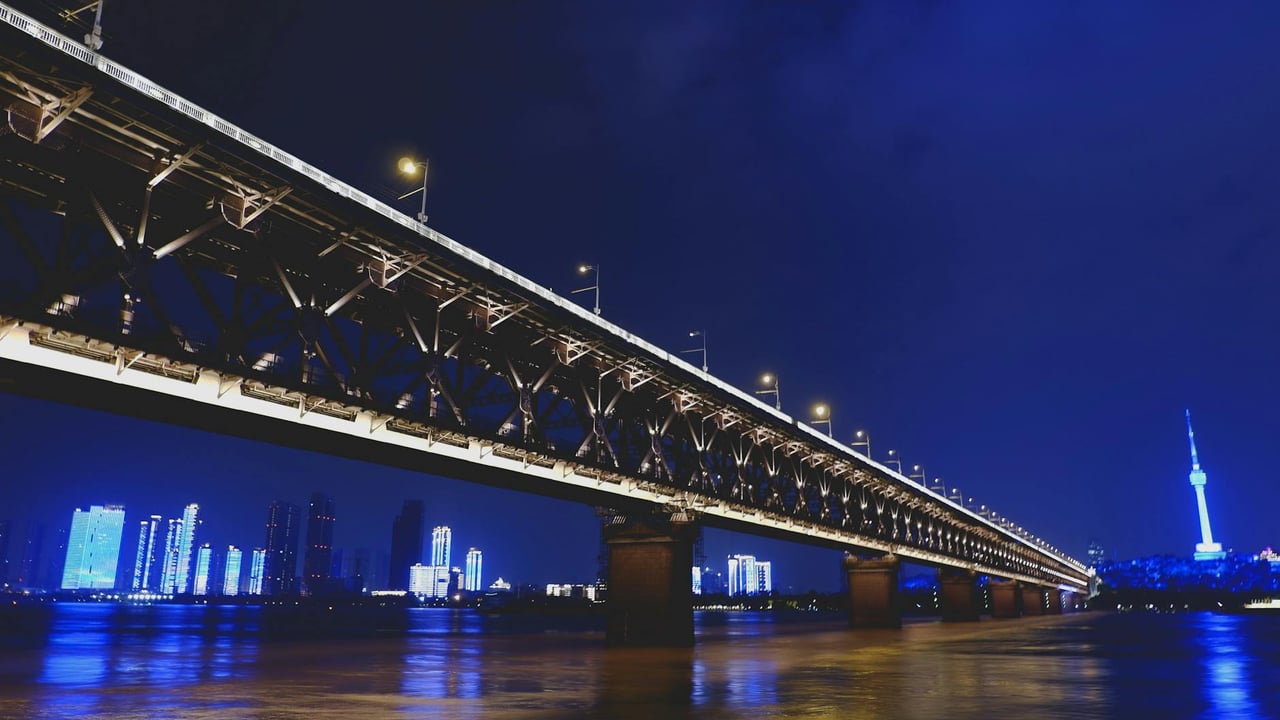
Wuhan has emerged as the most surprising leader in absolute GDP growth over the last five years. Despite being the initial epicenter of the COVID-19 pandemic, the city’s recovery was turbocharged by an unprecedented 'one-on-one' support package from the central government. This state-led intervention channeled massive fiscal transfers and strategic projects into the city, effectively upgrading its industrial base from traditional automotive manufacturing to high-tech sectors like semiconductors and aerospace.
Conversely, Xi’an represents the 'island economy' trap that plagues several of China’s inland hubs. Despite possessing world-class military research institutes and top-tier universities, the city has struggled to convert its scientific prestige into market-driven growth. The structural disconnect between state-funded research and local industrial application has seen Xi’an’s growth momentum stall, falling behind peers who have more successfully integrated their innovation chains with the private sector.
The most dramatic percentage growth occurred on the frontier, where Lhasa saw its GDP surge by over 60 percent. This growth, however, is almost entirely a product of state-led fixed-asset investment and massive infrastructure spending rather than organic market activity. For the central government, these investments in Tibet are as much about geopolitical stability and connectivity—such as the Sichuan-Tibet Railway—as they are about regional economic parity.
Meanwhile, the decline of Harbin and the broader Northeast serves as a cautionary tale of industrial and demographic exhaustion. Once the 'Republic’s Eldest Son' and the heart of China’s heavy industry, the region is now grappling with a 'demographic winter' and a failure to transition to the digital economy. Harbin, now the only provincial capital in the region without a population exceeding ten million, illustrates how traditional industrial bases are being hollowed out by talent flight to the southern coast.
The next phase of competition among these capitals will be defined by their ability to foster 'New Quality Productive Forces.' As the era of real-estate-driven growth ends, cities like Fuzhou and Hefei are rising by positioning themselves as hubs for green energy and advanced manufacturing. For the laggards, the challenge remains structural; without bridging the gap between state R&D and commercial markets, even the most prestigious provincial seats risk long-term stagnation.