Iron Rain and Digital Aim: China’s 155mm Artillery Evolution

China is rapidly expanding its fleet of 155mm truck-mounted howitzers, emphasizing mobility and digital integration to replace older towed units. These systems are designed for rapid deployment in challenging terrains and are capable of networked, high-precision strikes.

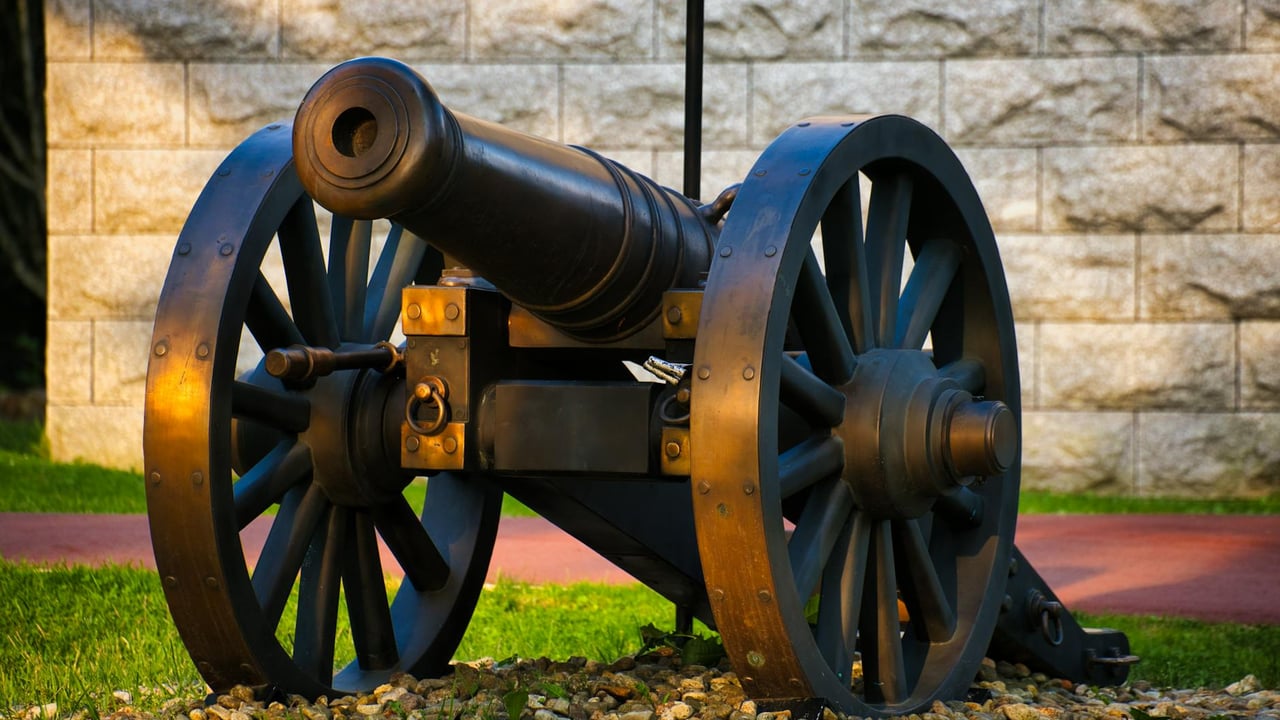
Antique cannon on display against a stone wall backdrop during fall.

Key Takeaways

  • 1The 155mm truck-mounted howitzer (likely the PCL-181) has become the PLA's primary heavy mobile artillery system.
  • 2A focus on 'shoot-and-scoot' capabilities allows these units to fire and relocate quickly to avoid counter-battery fire.
  • 3Enhanced digital fire-control systems and UAV integration significantly reduce the time between spotting and striking a target.
  • 4The lightweight wheeled chassis enables deployment in high-altitude or mountainous regions where tracked vehicles struggle.
  • 5Standardization of the 155mm caliber streamlines the PLA's logistics and ammunition manufacturing processes.

Editor's
Desk

Strategic Analysis

The prominence of the 155mm truck-mounted howitzer in Chinese military media underscores a shift toward 'informatized' warfare, where speed and connectivity are as vital as raw firepower. While Western observers often focus on China's naval and missile capabilities, the modernization of the PLAA’s (People's Liberation Army Army) ground fire is a direct response to the geographic realities of the Tibetan Plateau and the Indian border. By prioritizing wheeled platforms over heavier tracked alternatives, Beijing is betting on a highly mobile defense and offense strategy that can respond to flashpoints faster than regional competitors. This system also serves as a potent export product (known as the SH-15), allowing China to extend its military influence by providing high-tier artillery to strategic partners in the Global South.

China Daily Brief Editorial
Strategic Insight
China Daily Brief

The recent display of China’s 155mm truck-mounted howitzers marks a significant milestone in the People’s Liberation Army’s (PLA) ongoing quest to modernize its ground-based fire support. These systems, characterized by their high mobility and devastating firepower, represent a departure from the heavy, towed artillery of the past. By mounting a high-caliber gun on a wheeled chassis, the PLA has achieved a balance of lethality and agility essential for modern high-intensity conflict.

At the heart of this capability is the PCL-181, a platform that has become the backbone of China's modular artillery brigades. Weighing significantly less than traditional tracked self-propelled guns, these vehicle-mounted systems can be rapidly deployed via transport aircraft or navigate the winding, narrow roads of high-altitude border regions. This portability is not merely a logistical convenience; it is a strategic necessity for maintaining a credible deterrent across China’s diverse and often rugged peripheral geography.

Technology is the true force multiplier in these latest iterations of 155mm firepower. These units are now equipped with fully digital fire-control systems that allow for rapid target acquisition and autonomous calculation of firing solutions. By integrating with unmanned aerial vehicles (UAVs) for real-time spotting and damage assessment, the artillery can execute "shoot-and-scoot" maneuvers—firing a volley and relocating before an adversary can return fire.

The shift toward the 155mm standard also reflects a broader alignment with international heavy-caliber trends, ensuring that the PLA’s logistical chains are optimized for high-volume production and sustained operations. As these systems are integrated into the army's networked battle command structure, they transition from isolated weapons into nodes of a larger, data-driven ecosystem. This ensures that the "earth-shaking" power described in domestic reports is matched by precision and tactical flexibility.

Share Article

Related Articles

📰
No related articles found