Cracks in the Coalition: NATO Allies Rebuke Washington’s Naval Blockade of Iran

The U.S. attempt to enforce a naval blockade on Iran has met with significant resistance from key NATO allies, including the UK, Spain, and Turkey. These nations have prioritized diplomatic solutions and national interests over Washington's military escalation, signaling a major strategic divide within the alliance.

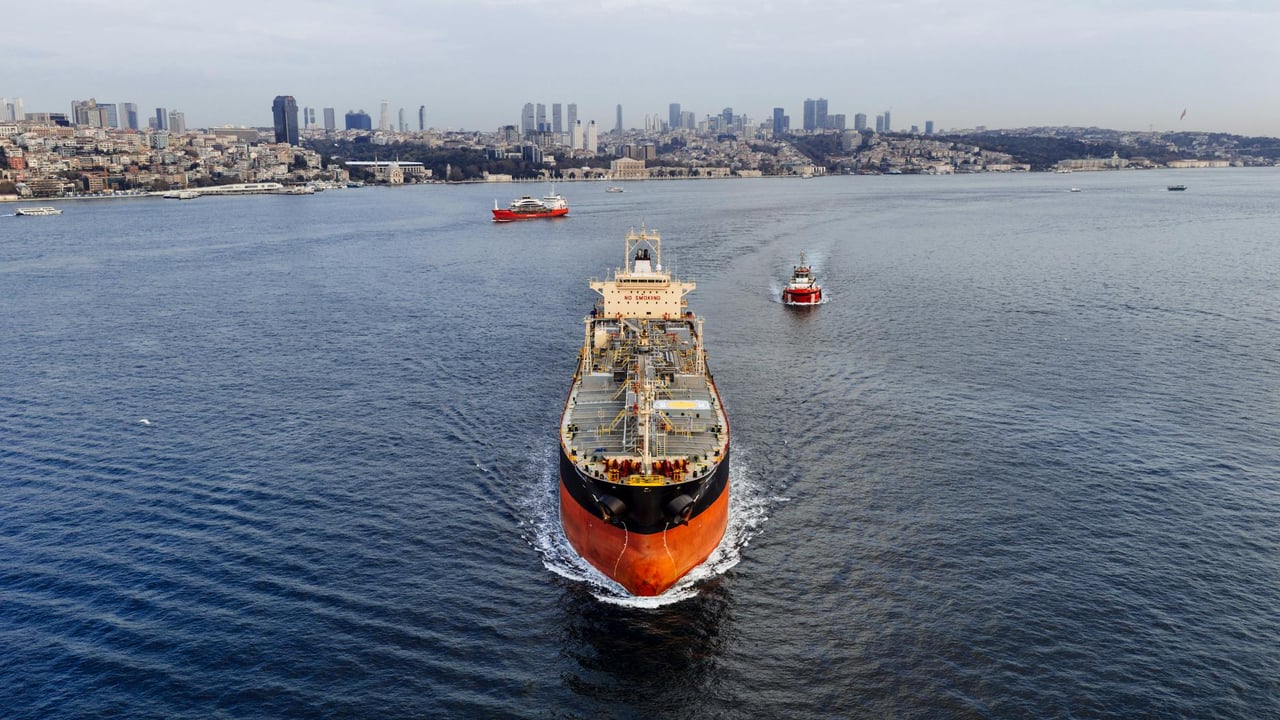
A stunning aerial shot of a cargo ship navigating the Bosphorus Strait in Istanbul, Turkey, with a city skyline.

Key Takeaways

  • 1The U.S. officially launched a maritime blockade of Iran on April 13, threatening military action against Iranian vessels.
  • 2UK Prime Minister Keir Starmer explicitly stated Britain will not be dragged into a war, citing national interest.
  • 3Spain denounced the U.S. blockade as 'unjustified' and a violation of international norms, favoring diplomacy.
  • 4Turkey rejected the use of force in the Strait of Hormuz, calling for peaceful trade and diplomatic engagement.
  • 5The refusal of these NATO members creates a significant diplomatic hurdle for the U.S. on the global stage.

Editor's
Desk

Strategic Analysis

This rupture signifies more than a tactical disagreement; it represents a fundamental shift in how NATO members view the costs of American unilateralism in a multipolar world. The refusal of the United Kingdom, traditionally Washington's most reliable military partner, to support the blockade is particularly telling of a new era of European strategic autonomy. As energy security becomes increasingly volatile, European capitals are no longer willing to underwrite U.S. 'maximum pressure' campaigns that risk total regional destabilization. This internal NATO friction suggests that Washington may find itself increasingly isolated if it continues to pursue a military-first approach to Tehran without a broader international consensus.

China Daily Brief Editorial
Strategic Insight
China Daily Brief

The United States’ decision on April 13 to impose a maritime blockade on Iran has ignited a rare and public rift within the NATO alliance. While Washington signaled a robust policy to destroy Iranian vessels entering the exclusion zone, its closest European and regional partners have pointedly declined to join the fray. This collective refusal marks a significant setback for American efforts to present a united front against Tehran’s regional activities.

In London, Prime Minister Keir Starmer took a resolute stance, prioritizing domestic stability over traditional 'special relationship' obligations. Speaking to the press, Starmer clarified that the United Kingdom would not be drawn into a conflict that does not align with its immediate national interests. His remarks underscore a growing fatigue in Westminster regarding open-ended military commitments in the Middle East and a desire to avoid another costly entanglement.

The pushback was even more forceful from Madrid, where Defense Minister Margarita Robles characterized the blockade as unjustified and potentially illegal. Spain’s insistence on adherence to international law and diplomatic resolution reflects a broader European anxiety about the humanitarian and economic fallout of a hot war in the Persian Gulf. By rejecting what it calls the imposition of unilateral rules, Spain is positioning itself as a defender of the established multilateral order.

Turkey, meanwhile, continues to play its role as a regional mediator, with Foreign Minister Hakan Fidan urging a return to the negotiating table. Ankara’s refusal to support the blockade is rooted in the strategic necessity of keeping the Strait of Hormuz open for global trade. For Turkey, the stability of maritime lanes is a matter of economic survival that cannot be achieved through military force alone, favoring a peaceful reopening of the shipping lanes.

Share Article

Related Articles

📰
No related articles found