Bridging the Gulf: UAE and EU Strengthen Strategic Alignment Amid Regional Turmoil

UAE President Sheikh Mohamed bin Zayed and European Council President António Costa met in Abu Dhabi to coordinate on Middle East stability and bilateral cooperation. The talks highlight the UAE's role as a pivotal mediator and the EU's strategic pivot toward deeper engagement with Gulf powers.

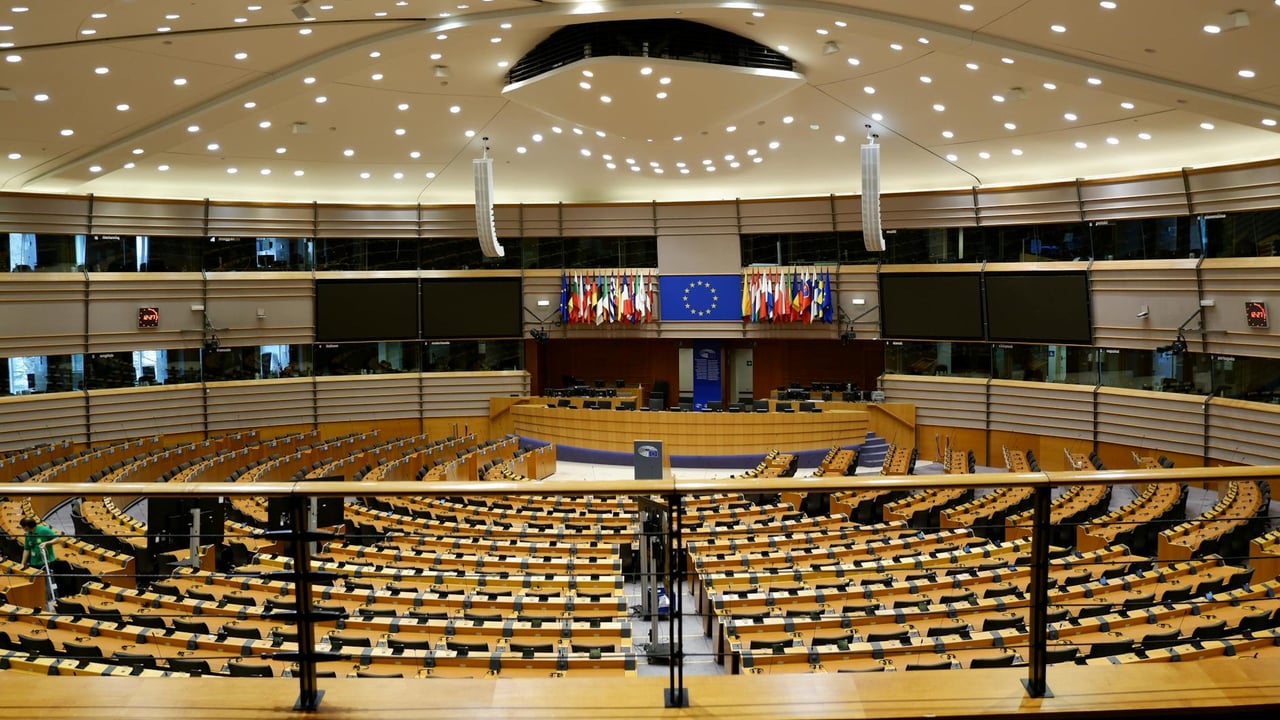
Empty European Parliament auditorium in Brussels, Belgium.

Key Takeaways

  • 1UAE President Mohamed bin Zayed and EU Council President António Costa held strategic talks in Abu Dhabi on April 14, 2026.
  • 2The primary focus of the meeting was addressing regional instability in the Middle East through diplomatic de-escalation.
  • 3Discussions included strengthening economic ties and aligning interests on global energy security.
  • 4The meeting underscores the UAE's growing influence as a bridge between European interests and regional dynamics.

Editor's
Desk

Strategic Analysis

The meeting between Mohamed bin Zayed and António Costa signifies a maturation of UAE-EU relations from a buyer-seller energy dynamic into a sophisticated geopolitical partnership. As the UAE increasingly asserts itself as a 'middle power,' it provides the EU with a pragmatic gateway into Middle Eastern affairs that bypasses more traditional, and often more rigid, diplomatic routes. For the EU, this relationship is vital for securing the 'Middle East-Europe Economic Corridor' and ensuring that regional conflicts do not spill over into the Mediterranean. The timing suggests a concerted effort to create a united front on regional security, likely aimed at tempering the influence of other non-Western actors in the Gulf.

China Daily Brief Editorial
Strategic Insight
China Daily Brief

In a high-level meeting that underscores the growing synergy between the Arabian Peninsula and Brussels, UAE President Sheikh Mohamed bin Zayed Al Nahyan hosted European Council President António Costa in Abu Dhabi. The discussions, occurring against a backdrop of persistent regional volatility, centered on stabilizing the Middle East and deepening the economic corridors between the two blocs.

For the United Arab Emirates, this engagement is a critical component of its 'multi-alignment' strategy, which seeks to cement the nation’s status as an indispensable global mediator. By maintaining robust diplomatic channels with the European Union, Abu Dhabi aims to leverage its regional influence to secure international backing for its long-term economic diversification and security goals.

The European Union views the UAE as a primary anchor in its updated Middle East policy, particularly as the continent seeks reliable partners for energy transition and maritime security. As Brussels navigates the complexities of global trade disruptions and migration pressures, a stable and cooperative relationship with the Gulf’s most proactive diplomatic power is no longer optional but a strategic necessity.

This meeting also highlights the shift in Middle Eastern geopolitics, where traditional power structures are being replaced by flexible alliances focused on economic pragmatism. Both leaders emphasized the importance of de-escalation, recognizing that the ambitious infrastructure and technology projects currently under development in the region require a predictable and peaceful security environment to succeed.

Share Article

Related Articles

📰
No related articles found