
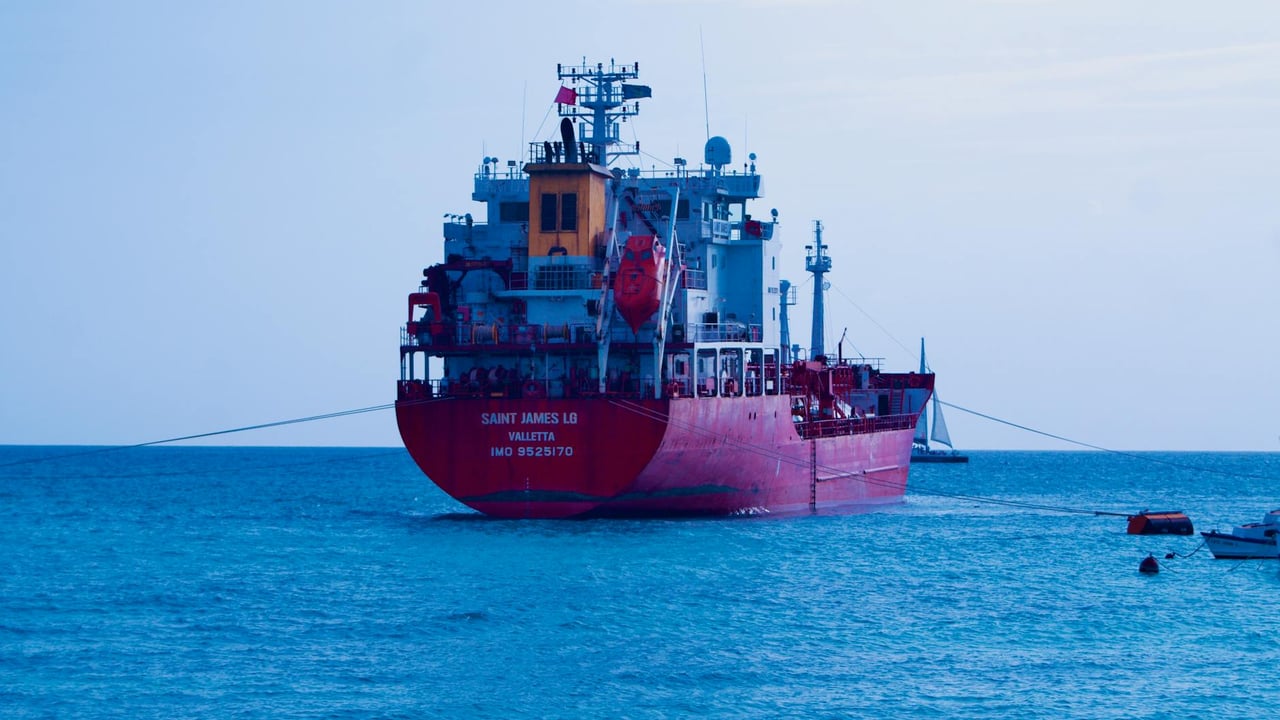

The International Maritime Organization (IMO) has broken its typical bureaucratic silence, issuing a sharp rebuke following the United States’ decision to implement a selective maritime blockade. This move, which Washington justifies as a necessary measure for 'regional stability and economic security,' has sent shockwaves through global shipping hubs from Singapore to Rotterdam. The IMO’s intervention signals a rare moment of institutional friction, as the body tasked with ensuring the safety and security of shipping finds itself at odds with a founding superpower.
At the heart of the crisis is the disruption of established trade corridors in the Indo-Pacific, a region that serves as the world’s most vital maritime artery. By restricting the flow of specific categories of goods and auditing vessels under the guise of security protocols, the U.S. has effectively introduced a 'grey zone' blockade. This strategy circumvents traditional declarations of war while exerting maximum economic pressure on its geopolitical rivals, primarily aimed at decoupling critical supply chains from Chinese influence.
Industry analysts warn that the economic ramifications could dwarf previous supply chain disruptions seen during the early 2020s. Freight rates are already beginning to climb as insurance premiums for trans-Pacific routes skyrocket due to the heightened risk of seizure or delay. For the IMO, the concern is not merely economic; it is a fundamental challenge to the United Nations Convention on the Law of the Sea (UNCLOS), which has governed the high seas for decades under the principle of freedom of navigation.
The diplomatic fallout is equally severe, as neutral trading nations find themselves caught in a crossfire between American security demands and their own economic dependencies. Beijing has characterized the blockade as an act of 'maritime hegemonism,' vowing to take 'all necessary measures' to protect its commercial interests. This escalation suggests that the era of unfettered maritime globalization is giving way to a fragmented landscape defined by naval power rather than international law.
As the IMO prepares for an emergency assembly, the world watches to see if international institutions still possess the leverage to restrain unilateral state action. The outcome of this standoff will likely redefine the boundaries of maritime sovereignty and determines whether the high seas remain a global common or become a theater of geostrategic enclosure. For now, the global shipping industry remains in a state of high-alert, navigating the most treacherous geopolitical waters in recent memory.