

The Middle East stands on the precipice of a significant escalation as the Iranian Islamic Revolutionary Guard Corps (IRGC) issues a stark ultimatum to Washington and Tel Aviv. Following the implementation of a comprehensive U.S. naval blockade on all Iranian ports, Tehran has signaled it is prepared to deploy 'unseen' military assets. The IRGC's leadership contends that its current military engagement represents only a fraction of its total capacity, suggesting a move toward asymmetric warfare tactics that could disrupt regional stability.
This rhetorical surge follows a decisive order by U.S. President Donald Trump to intercept all commercial and military traffic entering or exiting Iranian waters as of April 13. The blockade, which effectively seeks to sever Iran’s maritime economic lifelines, marks a shift from indirect pressure to direct confrontation. In response, the Iranian Ministry of Defense has asserted that its stockpiles of missiles and sophisticated drone swarms are more than sufficient to sustain both offensive and defensive operations indefinitely.
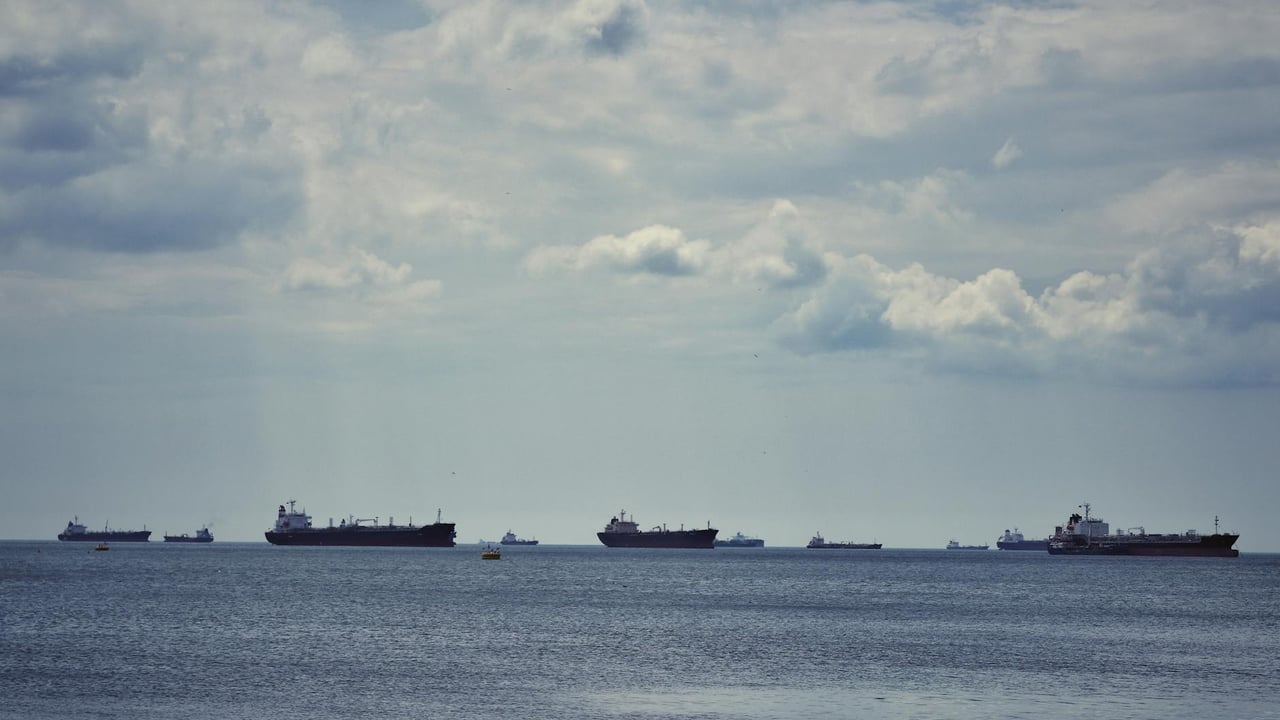
Central to this standoff is the strategic geography of the Strait of Hormuz and the Gulf of Oman. Tehran has long utilized its influence over these narrow waterways as a geopolitical lever, and current statements suggest that any U.S. intervention in these corridors will be met with a forceful response. The IRGC's mention of 'unexpected capabilities' likely refers to a new generation of high-speed ballistic missiles or autonomous naval vessels designed to overwhelm conventional carrier strike groups.
As the blockade takes hold, the global community is closely monitoring the potential for a miscalculation that could trigger a wider regional conflict. While Tehran’s rhetoric is frequently hyperbolic, the convergence of a total naval siege and the IRGC's public commitment to escalation suggests that the traditional rules of deterrence are being rewritten. The next 48 hours will likely determine whether this remains a war of words or transitions into a significant kinetic engagement in the world’s most vital energy corridors.