
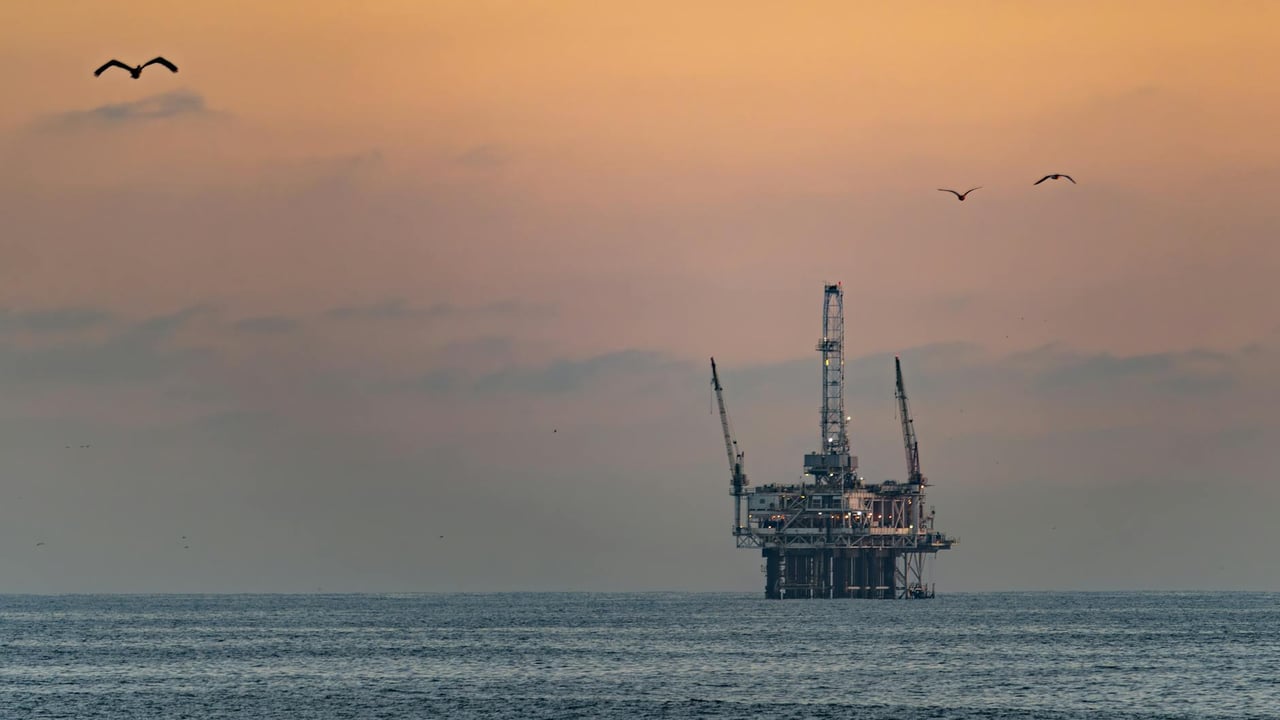

Global financial markets witnessed a complex divergence on April 14, as a confluence of diplomatic signals and economic data sent ripples through equities and commodities alike. US-listed Chinese tech stocks saw a robust recovery, with the Nasdaq Golden Dragon Index climbing over 2%, signaling a renewed appetite for risk among international investors. This rally coincided with a dramatic shift in the energy sector, where West Texas Intermediate (WTI) crude plummeted over 6% to fall below $95 per barrel.
The volatility in the oil market is directly linked to a sudden de-escalation in rhetoric from Tehran. Iranian officials have indicated they are reconsidering the closure of the Strait of Hormuz, a critical maritime chokepoint, to avoid jeopardizing the current diplomatic momentum. This strategic restraint appears aimed at preserving the atmosphere for high-stakes negotiations between the United States and the Islamic Republic, which are increasingly centered in Pakistan.
Islamabad has emerged as the preferred venue for these renewed talks, according to Iranian diplomatic sources. While Washington has yet to publicly confirm its commitment to this specific location, the preference for a neutral third-party site suggests both sides are seeking a structured environment to address long-standing grievances. The move toward mediation has provided a temporary 'peace premium' for global markets, easing fears of an immediate supply shock in the Persian Gulf.
However, the financial stakes of these negotiations are staggering. Tehran has introduced a preliminary demand for $270 billion in compensation for what it characterizes as war damages and economic losses caused by US policies. Iranian economic ministries are reportedly conducting a multi-stage assessment of these losses, ranging from physical infrastructure damage to the long-term impact of industrial stagnation and lost fiscal revenue.
Despite the cooling of oil prices, safe-haven assets like gold and silver have continued a sharp upward trajectory, with gold reaching unprecedented levels. This suggests that while the immediate threat of conflict may be receding, institutional investors remain wary of the underlying structural instability in the Middle East. The simultaneous rise in growth-oriented Chinese ADRs and defensive precious metals paints a picture of a market that is hopeful for peace but hedged against the possibility of a diplomatic breakdown.