
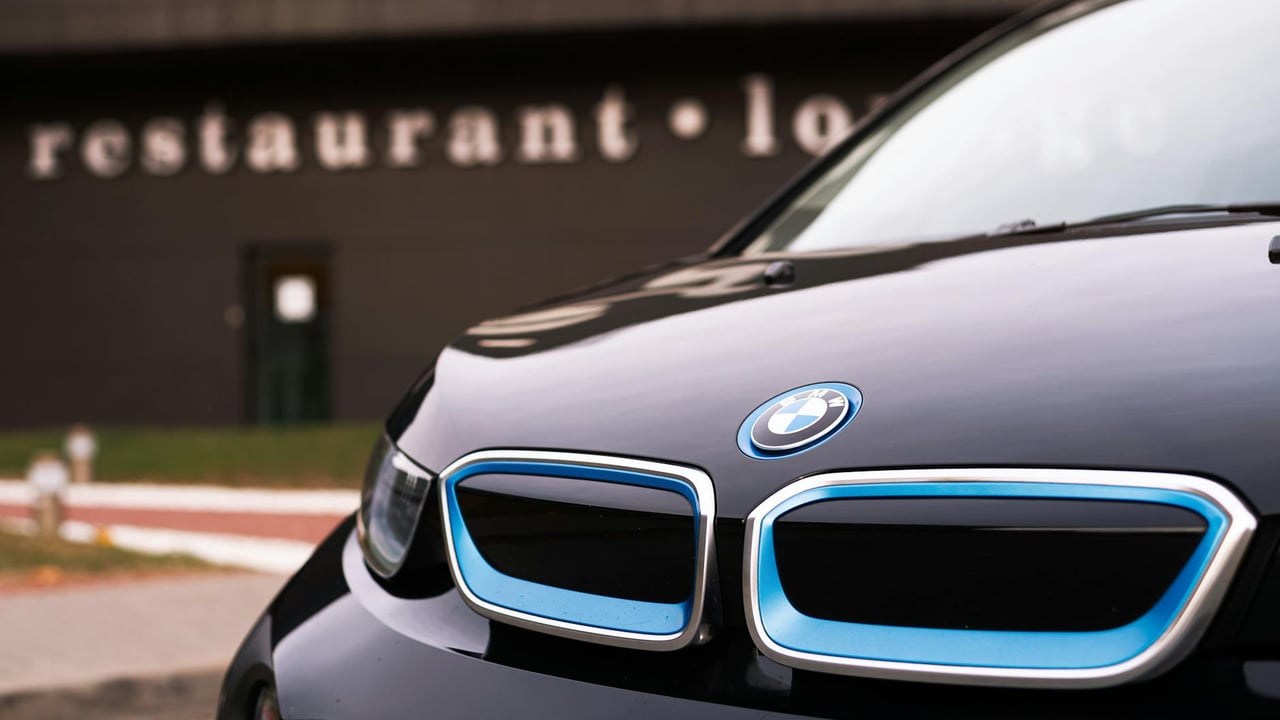

The global automotive landscape is witnessing a profound shift in power, as evidenced by a flurry of first-quarter data and strategic maneuvers. Geely Holding Group, a cornerstone of China’s automotive industry, reported a robust first-quarter sales figure of 937,927 units, signaling its continued dominance in both domestic and international markets. This performance stands in stark contrast to legacy European players like the BMW Group, which saw its China-market deliveries tumble by 10% in the same period, reflecting the intensifying pressure on foreign prestige brands from local competitors.
While Chinese manufacturers expand, Beijing is simultaneously tightening the leash on the industry’s technological vanguard. The Ministry of Industry and Information Technology, alongside other key departments, recently convened to mandate stricter safety protocols and self-inspections for intelligent connected vehicles (ICVs). This move suggests that as China’s autonomous and connected driving sector matures, the state is prioritizing stability and safety over unfettered growth, ensuring that the 'smart' revolution does not outpace regulatory oversight.
International players are responding with drastic restructuring. Nissan has unveiled a 'transformation plan' that involves cutting its global model lineup by 20% to focus on high-volume core families, aiming for the ambitious goal of one million sales in both the U.S. and China by 2030. Meanwhile, the American EV startup Lucid is undergoing a leadership change, appointing Silvio Napoli as CEO and securing a fresh capital injection from Saudi Arabia’s Public Investment Fund. This leadership pivot highlights the desperate search for sustainable business models in a market increasingly defined by Chinese cost efficiencies.
The anxiety among Western executives is palpable. Ford’s leadership has issued a stark warning regarding the potential entry of Chinese automakers into the U.S. market, describing it as an existential threat to the domestic industry. As GAC’s Aion UT launches in Milan with European manufacturing ties, the narrative is no longer just about China’s domestic market share, but about its ability to localize production and design within Western borders, effectively neutralizing trade barriers and traditional brand loyalty.