The High Price of Escalation: Tehran Tallies a $270 Billion Bill Following Alleged Strikes

Following devastating strikes on residential areas in Tehran, the Iranian government has estimated total damages at $270 billion. The move signals a shift toward seeking reparations through international and back-channel mediation in Islamabad, even as regional tensions reach a breaking point.

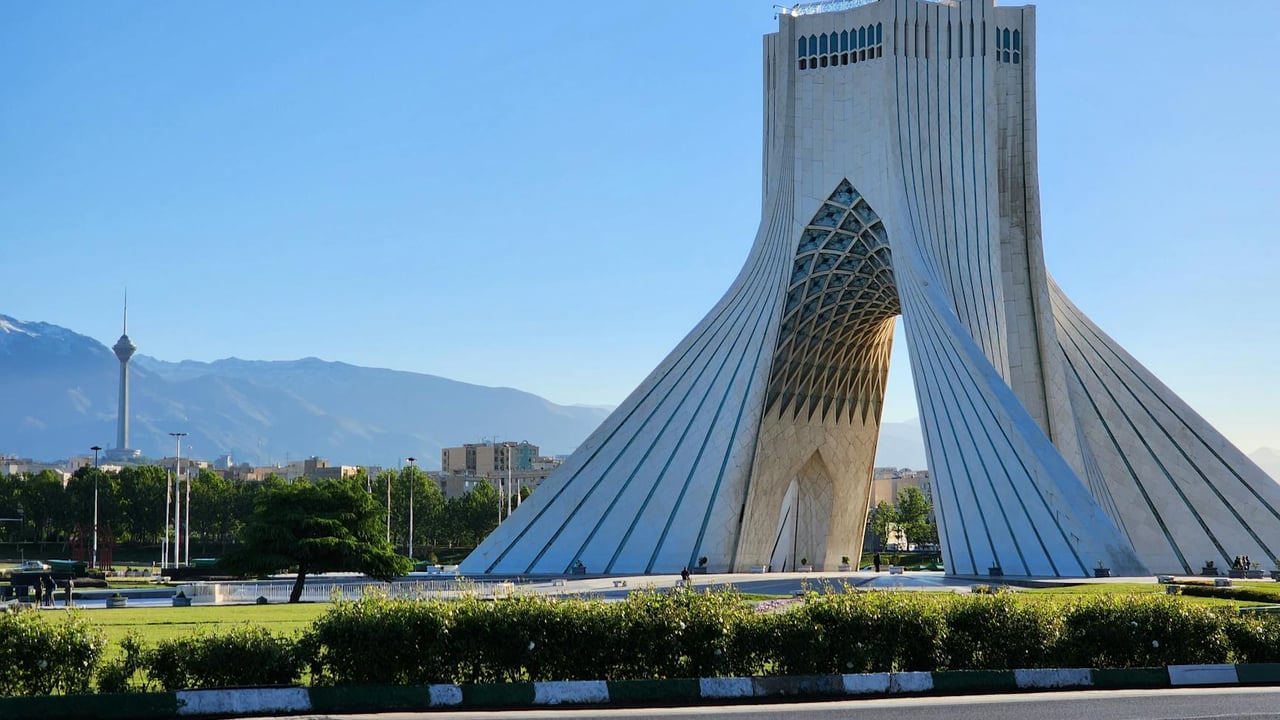
Capture of the iconic Azadi Tower in Tehran with a mountainous backdrop and clear sky.

Key Takeaways

  • 1Tehran reports severe civilian casualties and property damage following alleged U.S. and Israeli air strikes on April 14.
  • 2The Iranian government has issued a preliminary damage estimate of $270 billion, covering infrastructure and industrial losses.
  • 3Spokesperson Fatemeh Mohajerani confirmed that war reparations are now a central topic in negotiations and consultations held in Islamabad.
  • 4A multi-stage assessment process is underway to evaluate structural damage, lost fiscal revenue, and the impact of industrial shutdowns.
  • 5The involvement of Islamabad suggests an active diplomatic channel is being used to manage the fallout of the direct military engagement.

Editor's
Desk

Strategic Analysis

The quantification of damages at $270 billion serves a dual purpose: it provides a legalistic framework for Iran's grievances on the international stage while signaling to its domestic population that the state is pursuing accountability. The specific mention of Islamabad as a venue for consultations is significant, as it highlights Pakistan's evolving role as a mediator in a conflict that has moved beyond proxy warfare into direct strikes on sovereign capitals. This shift toward discussing 'reparations' suggests that even in a state of high-intensity conflict, both sides may be looking for a financial or diplomatic exit ramp to avoid total war. However, the sheer scale of the claim—roughly equivalent to half of Iran's annual GDP—indicates that these negotiations are more about establishing leverage than reaching a swift settlement.

China Daily Brief Editorial
Strategic Insight
China Daily Brief

The dust had barely settled over Tehran’s southeastern residential districts on April 14 before the Iranian government began translating physical wreckage into a staggering financial ledger. Smoke-charred apartment blocks and twisted vehicle frames now serve as the backdrop for a deepening diplomatic and economic confrontation. Iranian officials are attributing the devastation to a joint U.S.-Israeli operation, a claim that marks a dangerous threshold in the region’s long-simmering shadow war.

Fatemeh Mohajerani, spokesperson for the Iranian government, has placed a preliminary price tag of $270 billion on the destruction. This figure encompasses not just the immediate ruin of housing and infrastructure but also the broader economic paralysis resulting from industrial shutdowns and lost fiscal revenue. The scale of the demand underscores Tehran's intent to frame the conflict as a violation of international law requiring massive restitution.

The mention of ongoing consultations in Islamabad suggests that despite the kinetic nature of the conflict, back-channel diplomacy remains active. Pakistan has frequently acted as a conduit between Tehran and the West, and these talks may represent a calculated attempt to prevent the current cycle of retaliation from spiraling into a total regional conflagration. Iran's economic departments are now moving into a multi-phase assessment to refine these claims, prioritizing residential damage before quantifying the systemic impact on the national economy.

For a nation already grappling with years of biting sanctions, these strikes represent a double blow to its domestic stability. By publicizing the $270 billion figure, Tehran is likely signaling to its domestic audience that it will hold its adversaries accountable through every available channel. Whether these demands lead to a negotiating table or simply serve as a pretext for further escalation remains the defining question for Middle Eastern security in the coming months.

Share Article

Related Articles

📰
No related articles found