Tehran’s Rubble and the $270 Billion Bill: Iran Frames Damage as Diplomatic Leverage

Following reported U.S. and Israeli strikes on residential areas in Tehran, the Iranian government has estimated damages at $270 billion and is seeking reparations through diplomatic channels in Islamabad. The escalation marks a significant shift as Iran attempts to leverage urban destruction into a formal financial and political grievance against its adversaries.

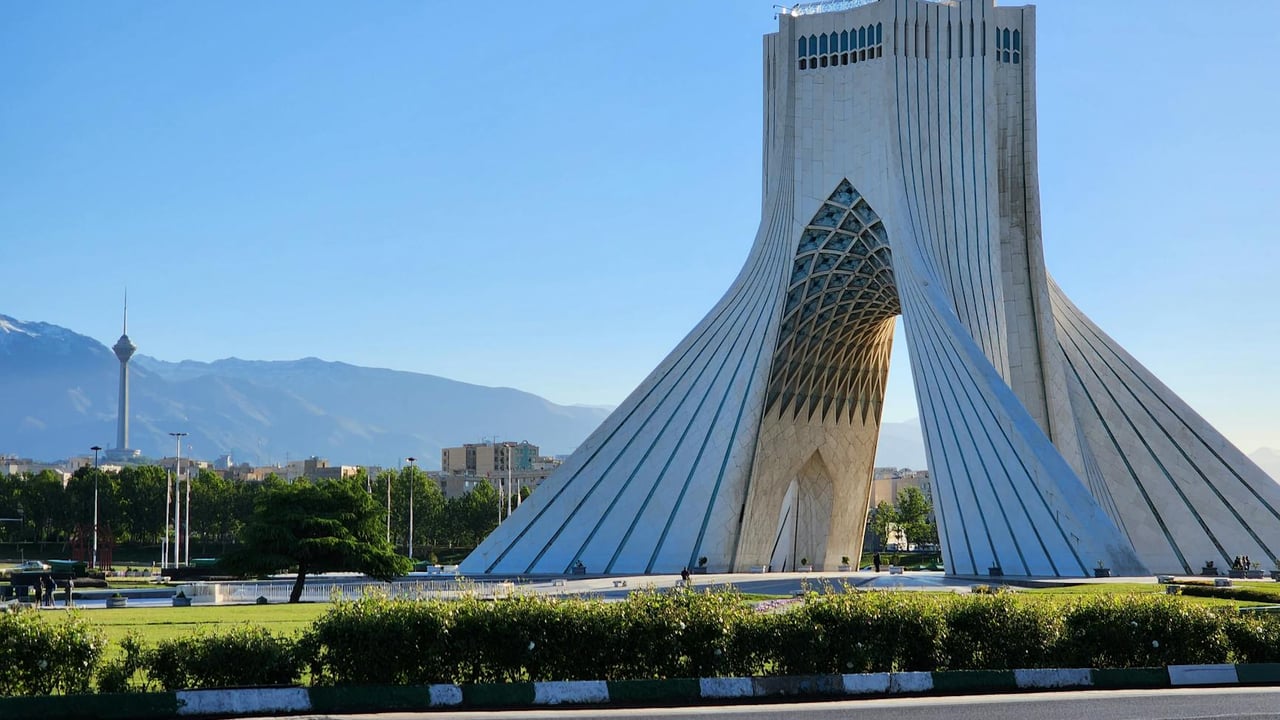
Capture of the iconic Azadi Tower in Tehran with a mountainous backdrop and clear sky.

Key Takeaways

  • 1Direct strikes on residential districts in southeastern Tehran have caused significant civilian casualties and property damage.
  • 2The Iranian government has issued a preliminary damage estimate of $270 billion resulting from the conflict.
  • 3Spokesperson Mohajerani confirmed that war reparations are now an active topic in consultations held in Islamabad.
  • 4The involvement of Pakistan as a diplomatic venue suggests a push for third-party mediation in the U.S.-Iran standoff.
  • 5Local residents are expressing strong condemnation as the conflict moves from military installations to urban centers.

Editor's
Desk

Strategic Analysis

Tehran’s decision to quantify the war damage at $270 billion and bring it to the negotiating table in Islamabad represents a calculated pivot in its 'maximum pressure' counter-strategy. By setting a high financial bar for reparations, Iran is signaling that any de-escalation must include significant economic concessions, essentially attempting to reverse the impact of years of sanctions under the guise of war indemnity. This move also serves a domestic purpose, redirecting public anger toward foreign actors while framing the state as a victim of international law violations. The inclusion of the U.S. in these reparation talks—despite the lack of formal ties—suggests that Tehran is looking for a structured, albeit contentious, off-ramp to avoid a total regional conflagration.

China Daily Brief Editorial
Strategic Insight
China Daily Brief

The shattered facades of residential complexes in southeastern Tehran have become the latest focal point in an escalating regional conflict. Following reports of direct strikes on April 14, 2026, the Iranian capital is grappling with the aftermath of what local authorities describe as a coordinated assault by U.S. and Israeli forces. The strikes have left a trail of civilian casualties and severe structural damage across formerly quiet neighborhoods.

Beyond the immediate humanitarian crisis, the Iranian government is swiftly moving to codify these losses into a geopolitical bargaining chip. Government spokesperson Fatemeh Mohajerani has already begun citing a staggering $270 billion preliminary damage estimate as the basis for future claims. This financial figure surfaced during high-stakes consultations in Islamabad, signaling that Tehran intends to weave war reparations into any formal diplomatic engagement with Washington.

The shift from battlefield retaliation to legalistic financial demands suggests a dual-track strategy by the Iranian leadership. By framing the conflict in terms of massive economic liability, Tehran is attempting to pressure Western powers through both the threat of military escalation and the prospect of an insurmountable diplomatic debt. The choice of Islamabad as a venue for these discussions highlights the role of regional mediators in trying to contain a conflict that has now breached the limits of the Iranian capital.

For the residents of Tehran, this geopolitical maneuvering offers little immediate comfort as they sift through the wreckage of homes and businesses. The international community now watches closely to see if this direct violation of the capital's sovereignty marks a permanent transition from the "shadow war" of the past decade into a full-scale kinetic confrontation. Whether these reparation claims are a serious demand or a tactical stalling mechanism remains the central question for regional stability.

Share Article

Related Articles

📰
No related articles found