
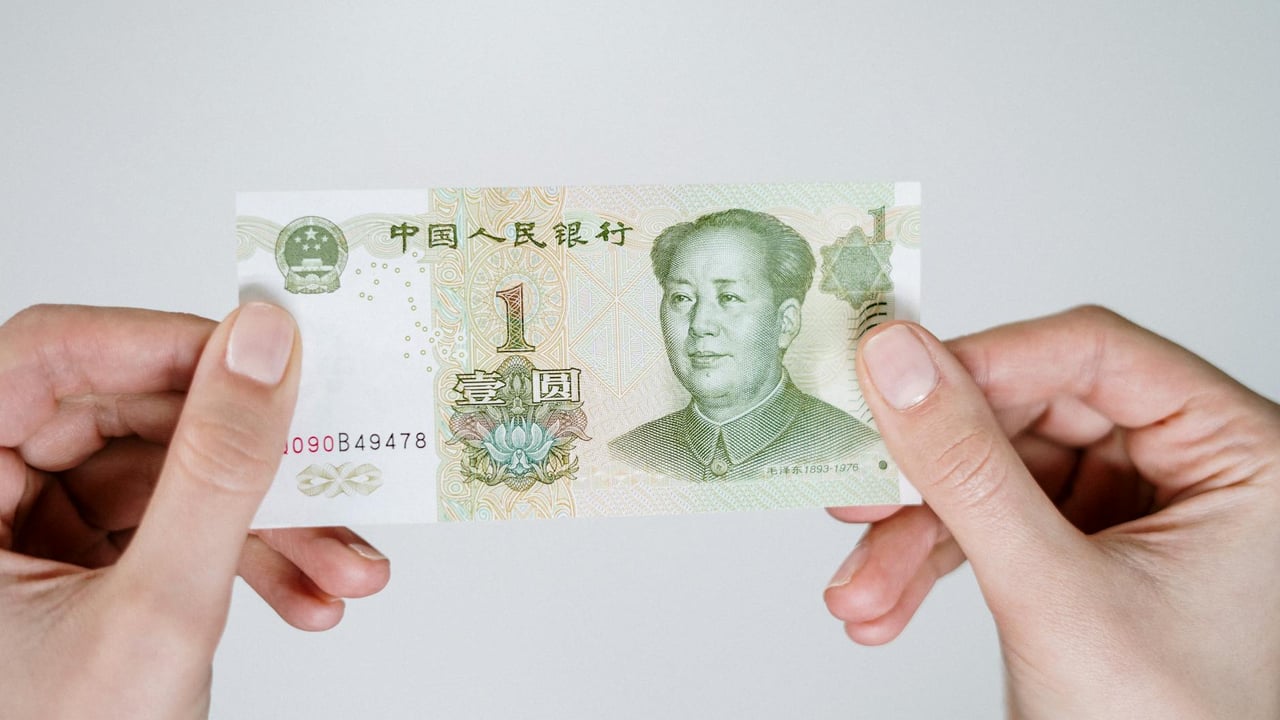

For decades, the global currency market followed a predictable script: when the U.S. dollar flexed its muscles amid geopolitical strife, emerging and export-heavy currencies invariably beat a retreat. However, the recent escalation of tensions involving Israel and Iran has shattered this consensus, revealing a stark divergence between the Renminbi and its regional peers. While the U.S. Dollar Index climbed over 1% during the 40-day peak of the conflict, the Japanese Yen and South Korean Won tumbled by more than 2%, yet the Renminbi managed a counter-intuitive appreciation of 0.33%.
This resilience signals a profound shift in how international markets value the Chinese economy during times of crisis. Historically, China’s currency would have been dragged down by its status as the world’s largest oil importer, but the calculus has changed due to a decade-long pivot toward energy autonomy. The surge in crude prices, which typically punishes manufacturing hubs like Tokyo and Seoul, now acts as a catalyst for China’s green industrial machine, bolstering demand for its dominant electric vehicle and solar exports.
Beyond the immediate trade impact, the Renminbi is increasingly being priced based on structural buffers that Japan and Europe lack. China has aggressively diversified its energy sourcing, reducing its reliance on Middle Eastern crude to less than 50% while pivoting toward Russia, Africa, and Latin America. This multi-polar supply strategy, coupled with a strategic oil reserve that exceeds 1.2 billion barrels, provides a four-month safety net that far outstrips the international gold standard for energy security.
Furthermore, the conflict in the Middle East has highlighted China’s role as the global 'supplier of last resort.' As disruptions hit petrochemical and aluminum downstream products in the Gulf, global investors have pre-emptively priced in a shift toward Chinese alternatives. In this new geopolitical landscape, the Renminbi is no longer just a reflection of trade flows, but a proxy for a nation’s ability to withstand systemic shocks to the global energy and supply chain architecture.