
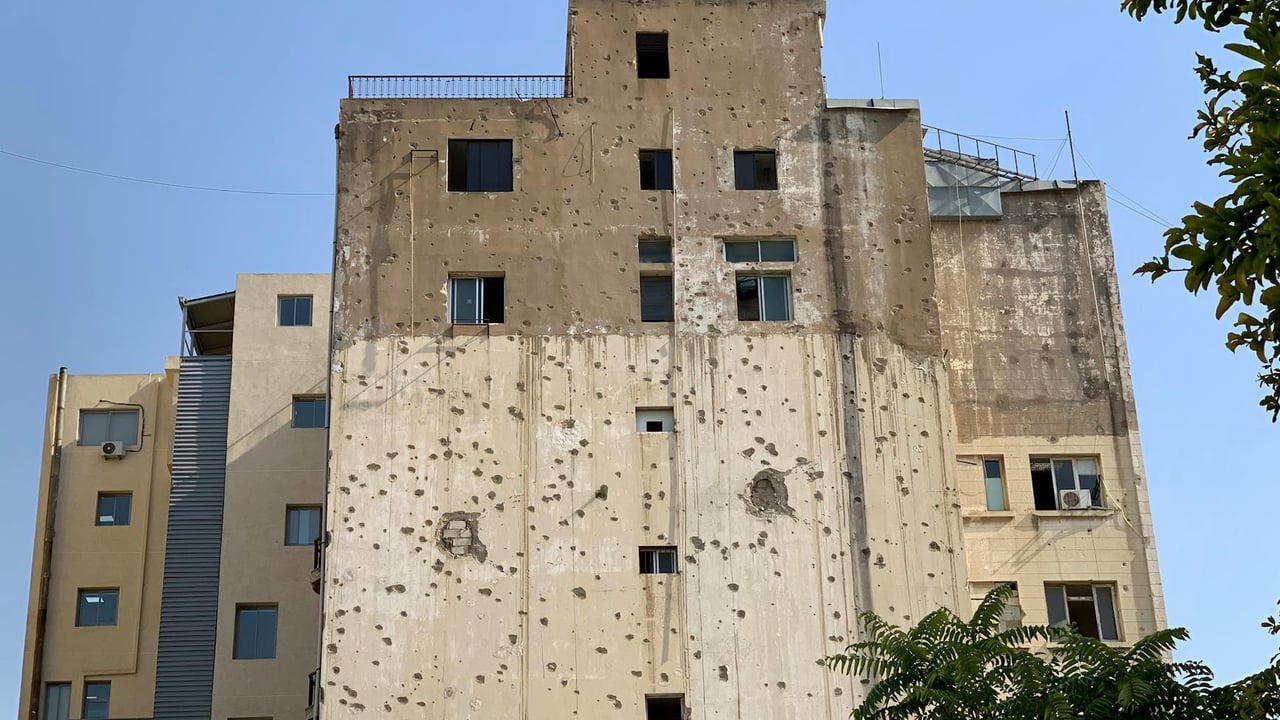

The borderlands of Southern Lebanon have transformed into a theater of calculated attrition as the Israel Defense Forces (IDF) 91st Division deepens its tactical footprint. In a series of coordinated strikes and ground maneuvers, Israeli forces have prioritized the dismantling of Hezbollah’s localized command structures and offensive hardware. This campaign is not merely a reactive measure but a deliberate effort to hollow out the militant group’s ability to sustain high-intensity cross-border provocations.
Recent operations have yielded a significant cache of sophisticated weaponry, ranging from anti-tank guided missiles to specialized technical equipment designed for clandestine surveillance. By neutralizing launchers pre-positioned toward Israeli population centers, the IDF aims to strip away Hezbollah’s first-strike capabilities. The seizure of explosive devices and personal munitions further suggests that the IDF is systematically clearing out entrenched positions that have been built up over years of quiet fortification.
Air-ground synergy has become the hallmark of this offensive, with the Israeli Air Force providing precision support to ground units as they navigate the difficult terrain of the Galilee-Lebanon frontier. The destruction of a central command and control hub marks a critical blow to Hezbollah’s local operational hierarchy. Such strikes are intended to induce a state of tactical paralysis, forcing the militia to choose between immediate retreat or the risk of decapitation by superior aerial intelligence.
Despite the immediate tactical gains, the geopolitical stakes remain dangerously high as both sides test the limits of deterrence. For Israel, the mission is framed as a non-negotiable prerequisite for the return of displaced civilians to the north. However, the systematic destruction of military infrastructure in Southern Lebanon signals that the IDF is preparing for a protracted presence, or at least a semi-permanent buffer zone, to prevent the re-infiltration of Hezbollah's elite units.