

A high-stakes diplomatic gamble in Islamabad has hit a wall as the two-week ceasefire between the United States and Iran, which began on April 11, stalled after only two days of negotiations. The rapid breakdown of the talks in the Pakistani capital reflects a fundamental chasm between the Trump administration's 'maximum pressure' objectives and Tehran’s insistence on regional sovereignty. While both sides remain in peripheral contact, the suspension of formal dialogue has sent ripples of uncertainty through global energy markets, which remain hyper-sensitive to any disruption in the Persian Gulf.
At the heart of the deadlock is the intractable link between the US-Iran conflict and the ongoing hostilities between Israel and Lebanon. Tehran has demanded an all-encompassing ceasefire that includes the Lebanese front, viewing the security of its regional proxies as non-negotiable. Conversely, Washington and Jerusalem have attempted to frame the Lebanon conflict as an isolated issue, a distinction Iran rejects. With Secretary of State Marco Rubio and Israeli officials pushing for a settlement that secures Israel's northern border, the 'all fronts' vs. 'local' dispute remains the most immediate threat to the fragile truce.
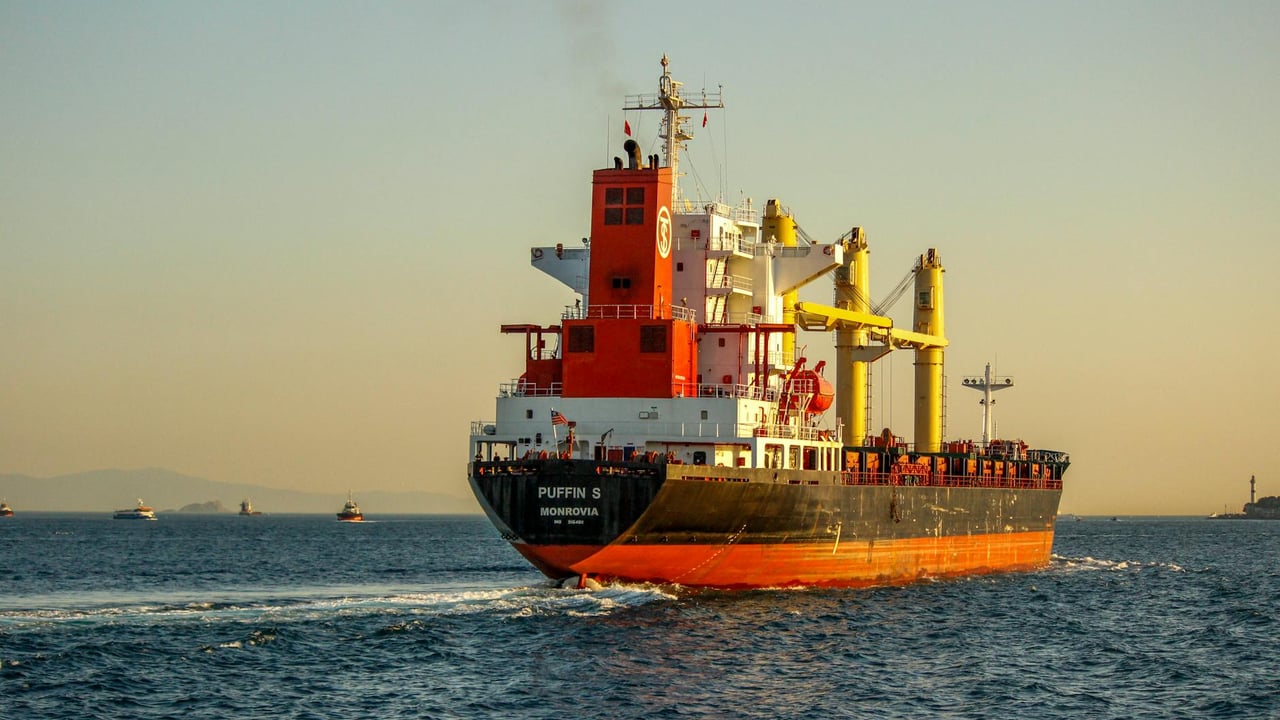
Maritime security has emerged as a second critical friction point, centered on the control of the Strait of Hormuz. Iran’s proposal to maintain control over the channel while potentially levying 'transit fees' on shipping has been met with a sharp escalation from President Trump, who recently announced a naval blockade of all Iranian ports. This move has not only alienated Tehran but has also sparked alarm in Riyadh. Saudi Arabia, fearful of Iranian retaliation in the Bab el-Mandeb strait, is reportedly urging Washington to abandon the blockade and return to the negotiating table to prevent a total shutdown of Red Sea oil routes.
Technically, the nuclear file remains the most complex 'hard nut to crack.' While the White House claims to have neutralized Iran’s primary nuclear infrastructure, the missing inventory of highly enriched uranium remains a significant intelligence gap and a military concern. Negotiations have foundered over the duration of a proposed enrichment freeze; Washington is demanding a twenty-year moratorium and the total removal of existing materials, while Tehran has refused to commit to more than five years. Defense Secretary Pete Hegseth’s past suggestions of kinetic action to 'forcibly seize' nuclear materials further complicate the atmosphere of distrust.
Ultimately, the Islamabad talks have exposed the limits of transactional diplomacy when applied to decades of systemic hostility. Beyond the nuclear and maritime issues, Iran’s refusal to dismantle its missile and drone programs—which remain capable of striking regional US assets—clashes with the Trump administration’s demand for a comprehensive military drawdown. Without a clear path to sanctions relief or a mechanism to build institutional trust, the current 'pause' in fighting looks less like a prelude to peace and more like a tactical regrouping for further escalation.