
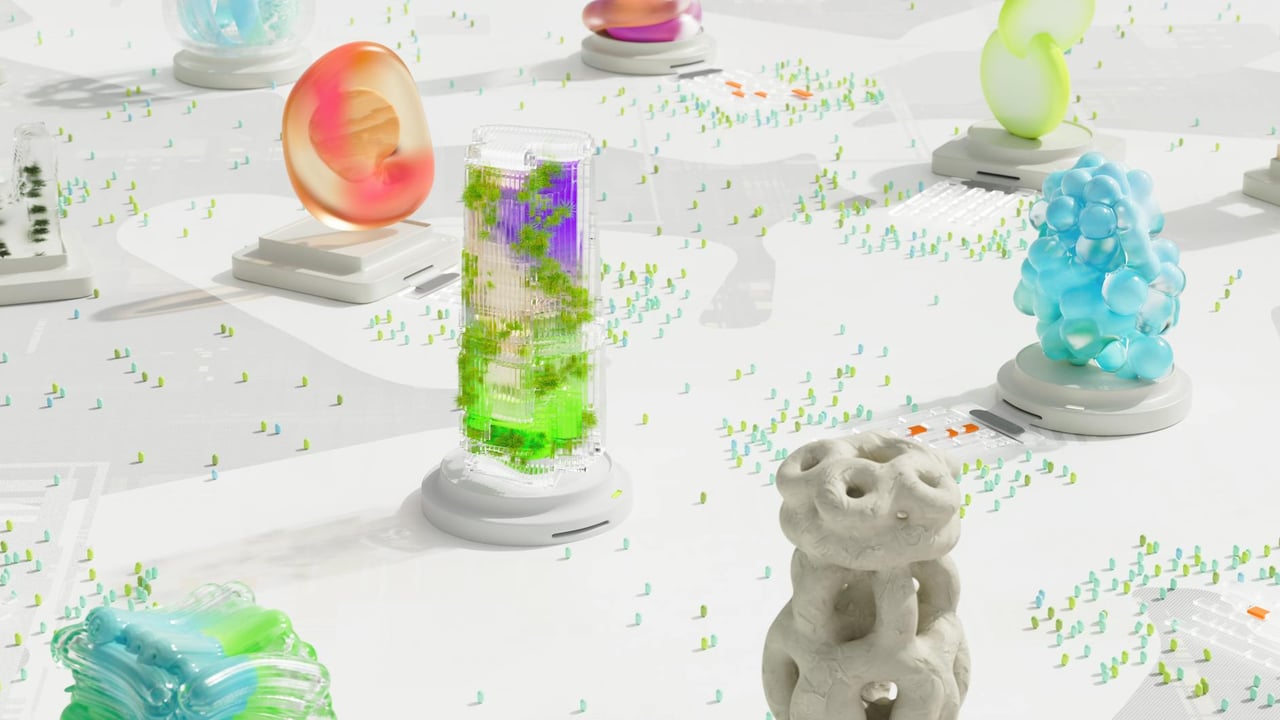

Tencent has unveiled the second iteration of its Hunyuan 3D World Model, signaling a significant shift from simple asset generation to the creation of holistic, interactive environments. By open-sourcing HY-World 2.0, the Chinese tech giant is positioning itself at the forefront of the generative AI landscape, specifically targeting the high-stakes gaming and simulation industries.
The new model allows developers to transform text prompts, images, or video clips into complex 3D scenes containing characters, objects, and landscapes. More importantly, it supports a variety of export formats, including Mesh, 3D Gaussian Splatting (3DGS), and point clouds, ensuring it fits directly into existing professional gaming workflows for rapid map generation and level prototyping.
For the global gaming industry, this represents a potential paradigm shift in how digital worlds are constructed. Historically, building a game map or a prototype level required months of manual labor; Tencent’s new tool promises to automate the world-building phase, allowing designers to focus on narrative and mechanics rather than geometric grunt work.
This release also highlights the escalating competition among China’s big tech players to define the next generation of AI. While competitors like Alibaba and Baidu have focused heavily on large language models for enterprise productivity, Tencent is leveraging its dominance in gaming to claim the world model crown, mirroring the ambitions seen in Western projects like OpenAI’s Sora.