
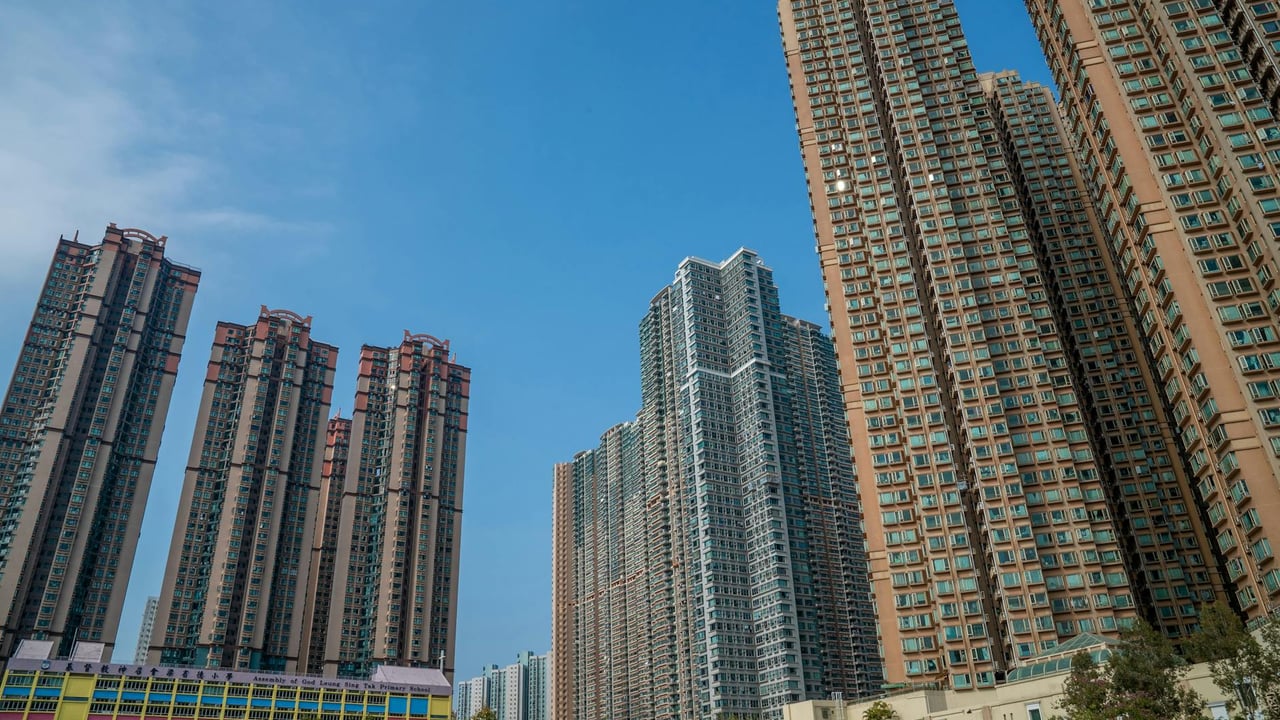

China’s high-stakes real estate market showed signs of a localized thaw in March 2026, as the nation’s most prominent metropolises broke a long cycle of stagnation. Data released by the National Bureau of Statistics (NBS) reveals that new and second-hand residential property prices in Tier-1 cities—Beijing, Shanghai, Guangzhou, and Shenzhen—have officially pivoted back into positive month-on-month growth territory. While the broader national picture remains complex, this shift suggests that the 'super-cities' may finally be finding a floor after years of regulatory tightening and cooling demand.
In the primary market, new home prices in Tier-1 cities rose by 0.2% compared to February, led by a 0.3% uptick in both Shanghai and Guangzhou. Beijing remained flat, but the psychological impact of seeing growth in three of the four major hubs is significant for investor sentiment. Perhaps more tellingly, the second-hand market—often considered a more accurate barometer of 'real' market value due to its independence from developer pricing mandates—saw a robust 0.4% month-on-month increase. Beijing led this recovery with a 0.6% jump, indicating that buyers in the capital are returning to the negotiation table.
However, the recovery remains uneven and deeply bifurcated. While the top-tier cities are showing resilience, Tier-2 and Tier-3 cities continue to face headwinds, with prices in smaller provincial capitals and regional centers either stagnating or recording slight declines. Although the pace of these declines has narrowed compared to previous months, the data highlights a persistent divergence: the core urban centers are regaining their status as safe havens, while the 'hinterland' property markets remain mired in a structural surplus.
From a year-on-year perspective, the statistics remain sobering and remind observers that the property sector is far from its pre-crisis peaks. Tier-1 new home prices are still down 2.2% compared to March 2025, and the second-hand market has contracted 7.4% over the same period. The NBS also noted a significant technical adjustment: beginning in January 2026, the bureau shifted its comparison base to 2025 weights. This recalibration is intended to better reflect the current housing stock and sales structure, effectively 'resetting' the data to a new post-peak reality for the Chinese housing market.