

In a characteristic blend of brinkmanship and diplomacy, the Trump administration has intensified its 'choking' strategy against Tehran, signaling both a desire for a definitive 'grand bargain' and a willingness to escalate military pressure to unprecedented levels. President Donald Trump, in a series of recent interviews, suggested that the current conflict is nearing its 'final result,' even as the Pentagon prepares to deploy an additional 10,000 troops and a third aircraft carrier to the Middle East. This dual-track approach seeks to force Iran into a comprehensive settlement before the current fragile ceasefire expires on April 22.
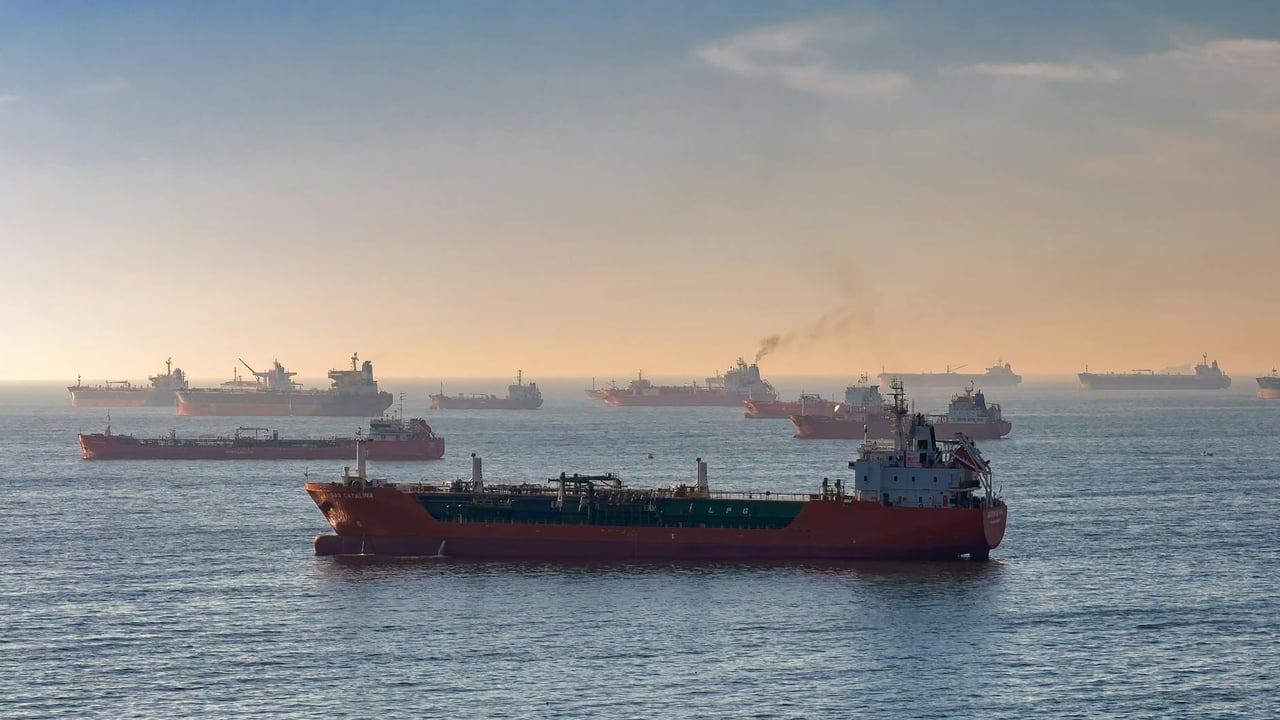
At the heart of this escalation is a sweeping naval blockade of the Strait of Hormuz, orchestrated by U.S. Central Command. U.S. officials claim that within 36 hours of implementation, the blockade effectively severed 90% of Iran’s maritime trade, with over a dozen warships and 100 aircraft enforcing the cordon. While the administration maintains this economic strangulation is a necessary precursor to stopping Iran’s nuclear ambitions, critics point to intelligence assessments suggesting that Tehran had not yet made the definitive leap toward weaponization prior to the latest round of hostilities.
Diplomatically, the focus has shifted unexpectedly to Islamabad. Trump has lauded Pakistani Army Chief Munir for his 'excellent' role in mediation, hinting that high-level talks could relocate to Pakistan within days. This pivot reflects a broader strategy to utilize regional intermediaries who maintain leverage over Tehran, though Vice President J.D. Vance has cautioned that trust remains non-existent. The administration is reportedly holding out for a 'grand deal' rather than a temporary fix, banking on the idea that Iran’s economic vulnerability will eventually outweigh its ideological resistance.
Tehran, however, is signaling its own brand of resilience. Beyond utilizing its network of regional proxies to threaten shipping in the Red Sea and the Gulf of Oman, the Iranian government is pivoting to 'strategic alternative ports' and border-proximate free trade zones to bypass the maritime blockade. Iranian military officials have warned that if their commercial vessels are rendered unsafe, they will ensure that no trade flows through the broader region, a threat that underscores the risk of a wider regional conflagration if the Islamabad talks fail to materialize.
The next 48 hours are likely to determine whether this 'will of contest' leads to a historic diplomatic breakthrough or a catastrophic return to open warfare. With the USS George H.W. Bush carrier strike group making its way around the Cape of Good Hope to join two other carriers in the region, the U.S. is clearly preparing for the latter. For the Trump administration, the goal is to prove that coercive diplomacy can achieve what decades of sanctions could not, even if it requires bringing the global energy supply to the brink of collapse.