Collateral Chaos: How Middle East Tensions are Starving Sudan

Escalating tensions in the Middle East have triggered a 25% surge in humanitarian transport costs for Sudan, further crippling a nation already devastated by three years of civil war. With fertilizer supplies from the Gulf disrupted and a $2.2 billion funding gap, the UN warns of a deepening famine risk as the crucial planting season approaches.

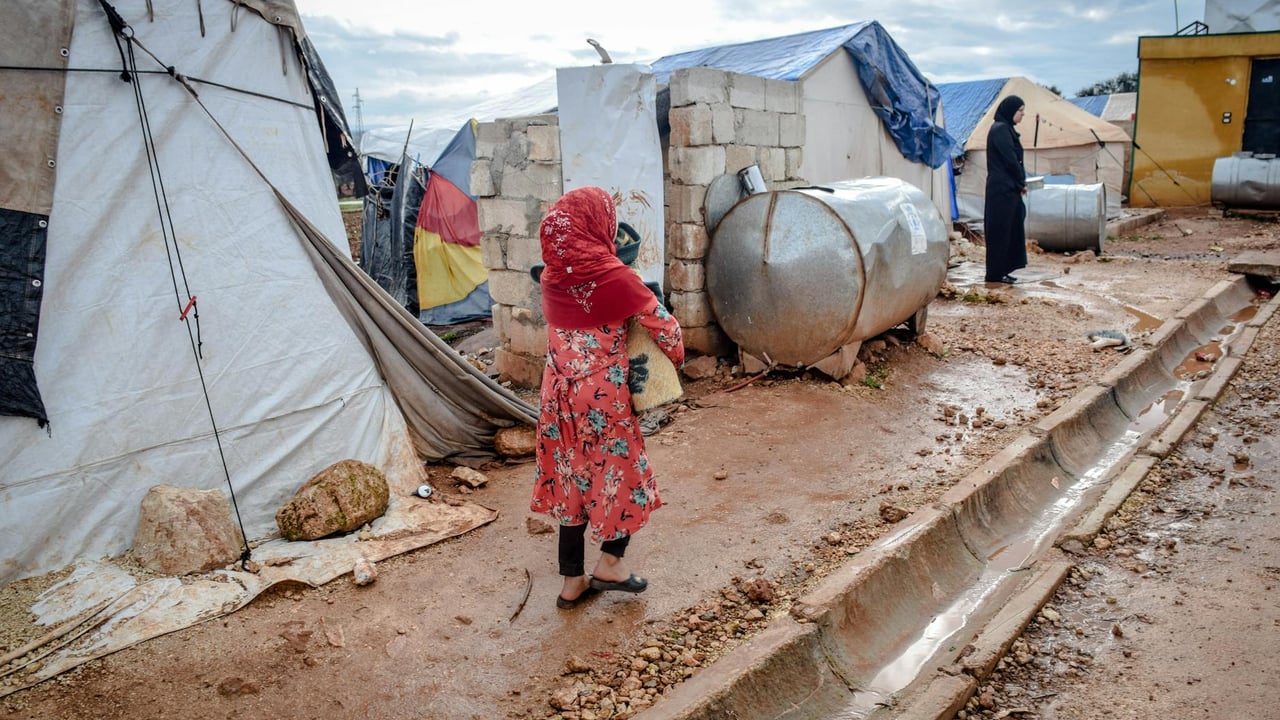
Full body of poor women in hijabs and headscarves near weathered buildings and camps in village under cloudy sky

Key Takeaways

  • 1Humanitarian aid transport costs to Sudan have increased by 25% due to Middle East tensions.
  • 2Sudan faces a critical fertilizer shortage for the April-May planting season, with 50% of supplies usually sourced from the Gulf.
  • 3The UN requires $2.2 billion in funding to provide aid to 14 million people within the country.
  • 4The security environment remains lethal, with 130 humanitarian workers killed since the conflict began in 2023.
  • 5Rising regional instability is driving up domestic prices for food and fuel, worsening the internal humanitarian crisis.

Editor's
Desk

Strategic Analysis

Sudan is increasingly becoming a 'forgotten war,' buried under the headlines of more prominent global conflicts, yet its proximity to the Red Sea makes it a linchpin of Afro-Arab stability. The 25% spike in aid costs highlights the 'double-victim' status of Sudan: it suffers from internal collapse while being disproportionately punished by external regional shocks it did not initiate. This report signals a dangerous convergence where humanitarian logistics are failing just as the agricultural window closes. If the international community fails to decouple Sudan’s humanitarian needs from the broader Middle Eastern security architecture, the resulting famine and mass migration flows will eventually force a much costlier and more difficult geopolitical intervention.

China Daily Brief Editorial
Strategic Insight
China Daily Brief

The geopolitical volatility currently roiling the Middle East is casting a long, dark shadow over the African continent, specifically exacerbating the humanitarian catastrophe in Sudan. As regional tensions climb, the logistical umbilical cord sustaining millions of displaced Sudanese is being strained by a sharp 25% increase in transportation costs for aid supplies.

This inflationary pressure is not merely a logistical hurdle but a systemic threat to a country already fractured by years of brutal civil war between the Sudanese Armed Forces and the Rapid Support Forces. The surge in shipping and insurance rates, driven by instability in the Red Sea and surrounding corridors, has directly pushed up the domestic prices of essential food and fuel within Sudan’s borders.

Perhaps most critical is the looming threat to Sudan's agricultural cycle, which depends heavily on the Gulf region for nearly half of its fertilizer requirements. With the primary planting season in April and May fast approaching, the tightening supply chain threatens to derail crop production, potentially plunging the nation into a deeper state of permanent food insecurity.

The United Nations and its partners are currently scrambling to bridge a massive $2.2 billion funding gap intended to support approximately 14 million people. This effort is hampered not only by financial constraints but by extreme physical danger, as evidenced by the tragic loss of 130 humanitarian workers since the conflict’s inception in April 2023.

Share Article

Related Articles

📰
No related articles found