
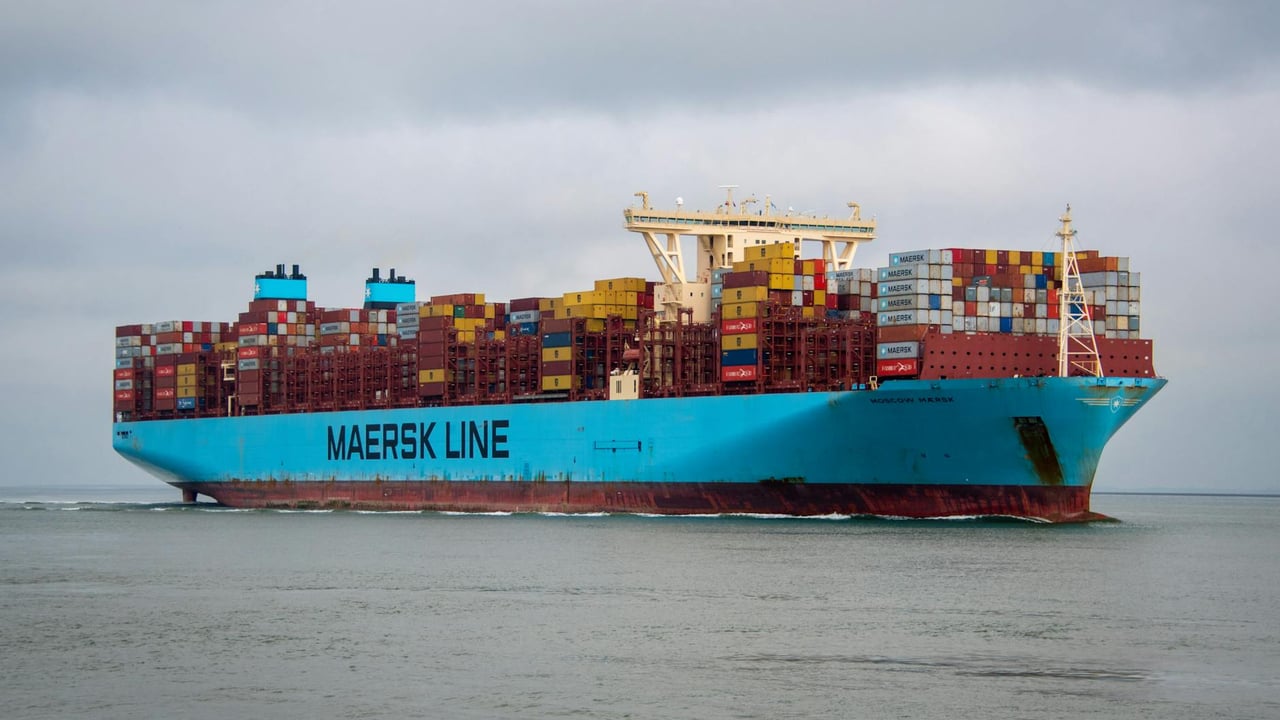

In a move that signals a profound realignment of global maritime security, European powers are drafting a naval strategy for the Strait of Hormuz that pointedly excludes the United States. Led by French President Emmanuel Macron and British Prime Minister Keir Starmer, the proposed mission aims to deploy minesweepers and frigates to restore commercial shipping confidence in the vital waterway. Crucially, the initiative seeks to distance itself from the 'parties to the conflict,' defining that group as not only Iran and Israel but also the United States.
This emerging coalition represents a stark departure from the traditional post-war order where Washington served as the guarantor of maritime commons. European diplomats indicate that the mission will operate under independent command, explicitly refusing to take orders from the U.S. Fifth Fleet. By inviting rising powers like China and India to the negotiating table while keeping the White House at arm’s length, Paris and London are signaling that the era of reflexive transatlantic alignment in the Middle East has reached a breaking point.
The operational philosophy of the mission draws inspiration from the 2024 'Aspides' mission in the Red Sea, prioritizing defensive escorts over the aggressive, offensive posture favored by Washington. This 'defensive-only' mandate has been instrumental in securing the likely participation of Germany. For Berlin, joining an international military deployment requires navigating strict constitutional hurdles, which are only surmountable through a broad, non-confrontational international mandate that emphasizes regional stability over regime pressure.
The exclusion of the U.S. is not merely a tactical choice but a calculated response to a year of deteriorating relations between Brussels and Washington. European leaders remain wary of a U.S. administration that has recently threatened punitive tariffs, signaled a withdrawal of support for Ukraine, and pursued a highly disruptive regional agenda. In European capitals, the American approach to the current Middle Eastern crisis is increasingly viewed as lacking legitimacy and posing an unnecessary risk to the global energy supply chain.
While the plan reflects a growing consensus on European strategic autonomy, it has not been without internal friction. British officials have voiced concerns that the deliberate marginalization of Washington could provoke a diplomatic backlash, potentially limiting the mission's logistical reach. However, French officials counter that including the U.S. would effectively invite Iranian retaliation, rendering any hope of de-escalation impossible. A high-level summit scheduled for the 17th will formalize these plans, marking a pivotal moment in the quest for a multipolar maritime order.