
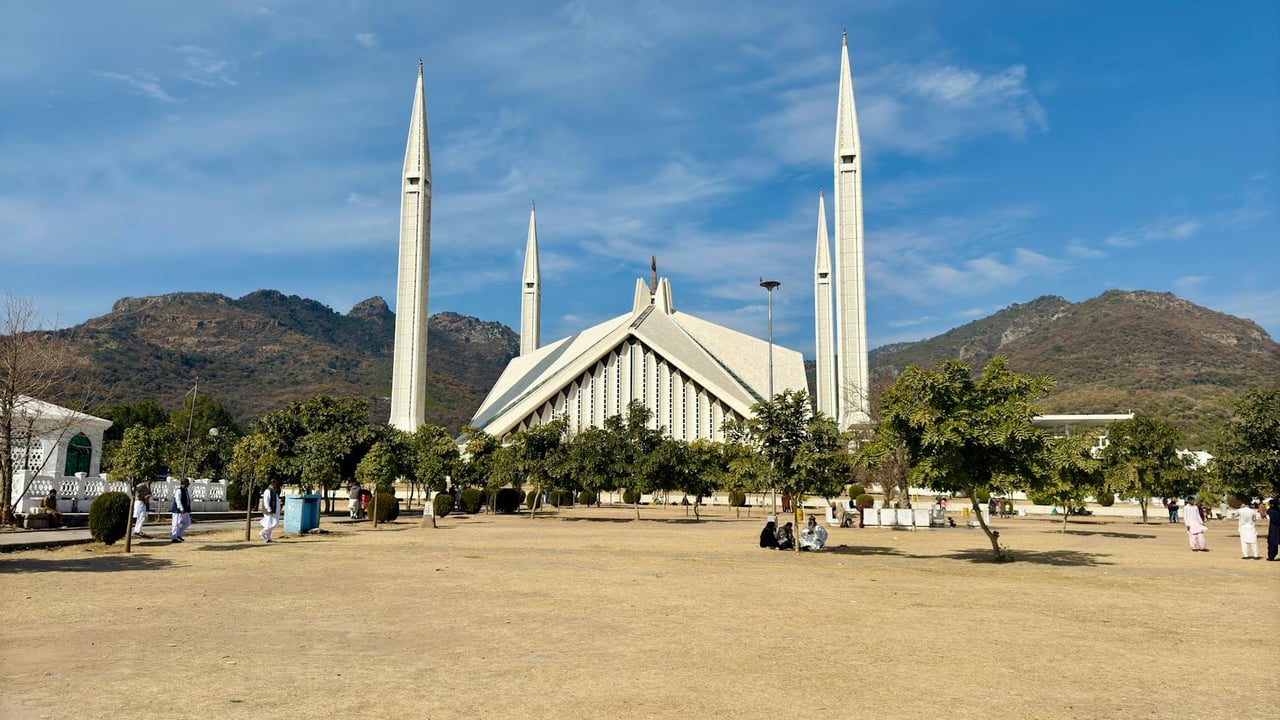

In a significant recalibration of Middle Eastern diplomacy, Iran’s Ambassador to Pakistan, Moghaddam, has officially designated Islamabad as the exclusive site for future negotiations between Tehran and the United States. This announcement signals a strategic shift away from traditional neutral grounds like Oman or Qatar, positioning the Pakistani capital as the primary crucible for de-escalating tensions between the two long-standing adversaries.
The declaration follows a flurry of high-level activity in the region, including a direct face-to-face meeting between American and Iranian delegations in Islamabad earlier this month. While those initial sessions concluded on April 12 without a formal agreement, the institutionalization of this back-channel suggests that both Washington and Tehran see unique value in Pakistan’s mediation. The White House has confirmed that while the path forward remains difficult, discussions regarding further engagement are very much active.
Central to this diplomatic pivot is the proactive involvement of Pakistan’s top leadership. Prime Minister Shehbaz Sharif and Army Chief General Asim Munir have adopted a dual-track approach to shuttle diplomacy, leveraging Pakistan’s historical ties with both the West and its neighbor to the west. This coordinated effort between the civilian government and the powerful military establishment appears to have provided the security and diplomatic assurances necessary to host such sensitive talks.
For Iran, choosing Islamabad may be a calculated move to engage on more familiar regional ground, while for the United States, Pakistan offers a conduit that is deeply integrated into regional security architectures. As the shadow of broader regional conflict looms, the establishment of a permanent diplomatic 'hotline' in Islamabad represents a rare, structured effort to manage a relationship that has long been defined by volatility and proxy confrontation.