Brothers-in-Arms: Turkey and Pakistan Strengthen Strategic Defense Ties with Jinnah-XIII Drills

Pakistan and Turkey have commenced the Jinnah-XIII joint military exercises in Turkey, focusing on specialized urban warfare and counter-terrorism tactics. This tactical cooperation is mirrored by Prime Minister Shehbaz Sharif's strategic tour of the Middle East and Turkey, highlighting a synchronized effort to strengthen defense and diplomatic alliances.

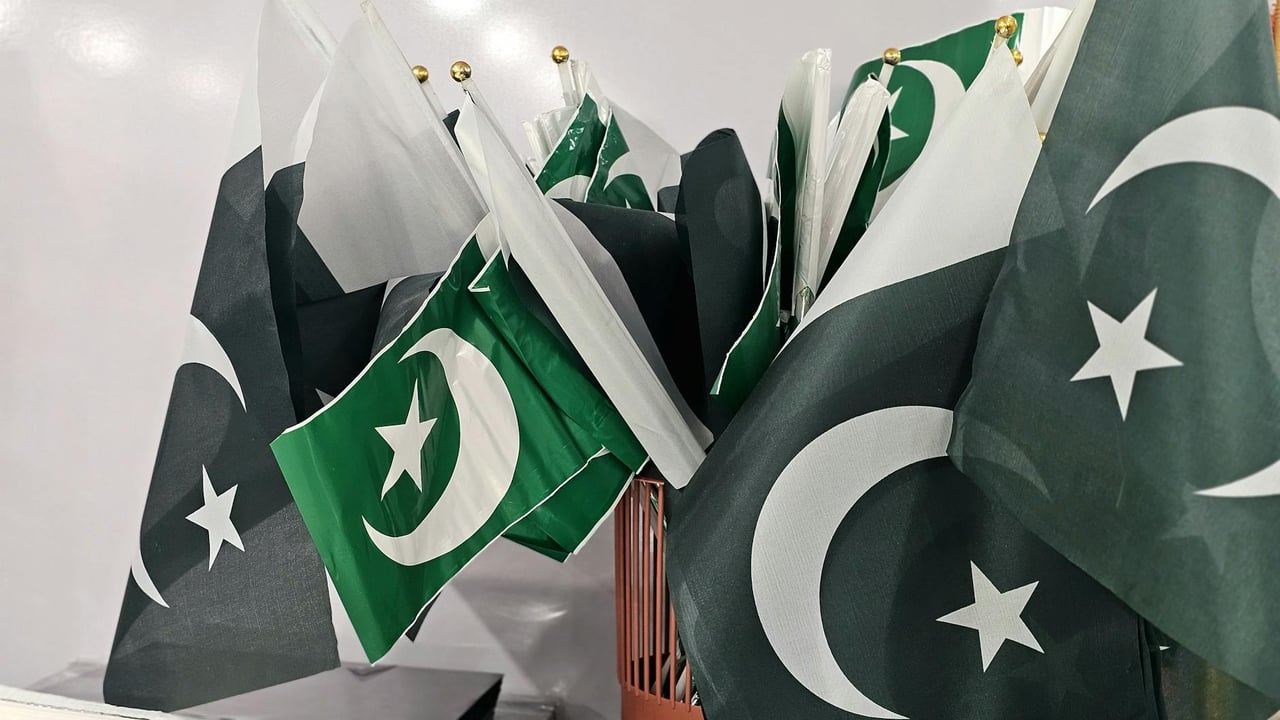
A variety of Pakistani flags grouped together indoors, emphasizing national pride.

Key Takeaways

  • 1Pakistan and Turkey launched the Jinnah-XIII military exercise in Ankara and Isparta, Turkey.
  • 2The drills prioritize urban combat and anti-IED operations, reflecting shared security concerns regarding domestic terrorism.
  • 3Prime Minister Shehbaz Sharif's diplomatic visit to Saudi Arabia, Qatar, and Turkey aligns with the military maneuvers to bolster regional ties.
  • 4The cooperation underscores a growing defense industrial and operational partnership between two significant non-Arab Muslim powers.

Editor's
Desk

Strategic Analysis

The deepening defense relationship between Turkey and Pakistan represents a significant shift toward a more autonomous security architecture in the Global South. While Pakistan has traditionally relied on Chinese hardware and American training, the tilt toward Turkey allows Islamabad to diversify its military dependencies with a partner that offers high-tech solutions, such as combat-proven drones, without the political strings often attached by major powers. For Ankara, this partnership is a cornerstone of its assertive diplomatic outreach, providing a gateway to South Asian markets and a loyal ally in international forums. This 'Brotherhood' is not merely sentimental; it is a calculated response to a multipolar world where regional powers must find strength in numbers to navigate the friction between Washington, Beijing, and Moscow.

China Daily Brief Editorial
Strategic Insight
China Daily Brief

The rugged terrains of Ankara and Isparta have become the latest stage for the deepening military synergy between Islamabad and Ankara. As the Jinnah-XIII joint military exercises get underway, the focus has shifted from conventional warfare to the gritty realities of urban counter-terrorism. Combat units from the Pakistan Army are working alongside their Turkish counterparts to refine tactics in metropolitan environments and neutralize improvised explosive devices.

This bilateral engagement is more than a routine training mission; it is a manifestation of a relationship that transcends shifting global alliances. For Pakistan, the cooperation provides access to Turkish military doctrine and advanced equipment, which have proven effective in recent regional conflicts. Turkey, meanwhile, views Pakistan as a pivotal partner in its ambition to project influence across the Islamic world and the broader Eurasian landmass.

The timing of the exercises coincides with a high-stakes diplomatic tour by Pakistani Prime Minister Shehbaz Sharif. His itinerary—spanning Saudi Arabia, Qatar, and Turkey—highlights Islamabad's delicate balancing act as it seeks financial stabilization and security guarantees from its traditional allies. Sharif’s presence at the Antalya Diplomacy Forum further underscores the integration of military cooperation with high-level statecraft.

As both nations grapple with domestic security challenges and a volatile neighborhood, the Jinnah-XIII drills serve as a signal to both internal insurgents and external rivals. By standardizing their response to asymmetric threats like IEDs, these two middle powers are reinforcing a self-reliant defense axis. This partnership operates with a degree of autonomy that allows both nations to navigate a world increasingly defined by great power competition.

Share Article

Related Articles

📰
No related articles found