

As geopolitical instability flares in the Middle East and global supply chains grapple with the closure of the Strait of Hormuz, Beijing has reported a surprisingly robust start to the 2026 fiscal year. China’s first-quarter GDP expanded by 5.0% year-on-year, a significant acceleration from the 4.5% growth recorded in the final quarter of the previous year. This performance suggests a degree of resilience in the world’s second-largest economy that has largely defied the darkening forecasts of international financial institutions.
The acceleration is underpinned by a simultaneous recovery in the 'three carriages' of growth: consumption, investment, and exports. Social retail sales rose by 2.4%, while fixed-asset investment staged a critical turnaround, moving from a 3.8% contraction to positive territory. Perhaps most striking was the trade data, with total imports and exports exceeding 11 trillion yuan for the first time in a opening quarter, signaling that China’s manufacturing apparatus remains indispensable even as global shipping lanes face disruption.
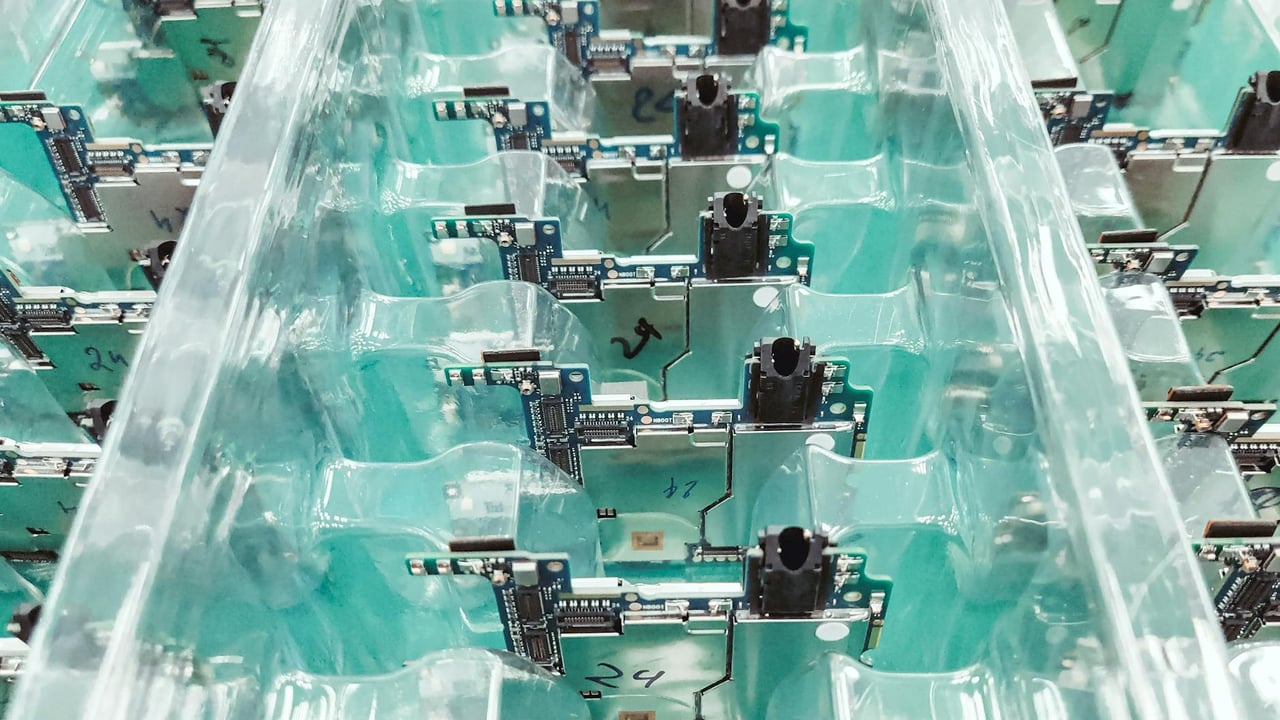
Central to this rebound is Beijing’s strategic pivot toward 'new quality productive forces'—a policy shorthand for high-value manufacturing and technological self-reliance. High-tech manufacturing surged by 12.5% in the first quarter, with the semiconductor and biopharmaceutical sectors posting gains of 49.4% and 14.8%, respectively. By shifting the economic base toward advanced circuitry and green technology, China is effectively attempting to insulate itself from the volatility of global commodity markets and traditional industrial cycles.
Domestic policy interventions have also played a decisive role in stabilizing the floor. A massive 'old-for-new' subsidy program aimed at consumer electronics and appliances has fueled over 430 billion yuan in sales, while the front-loading of local government special bonds has provided the necessary liquidity for infrastructure projects. These measures ensured that domestic demand contributed a staggering 84.7% to total economic growth, a nearly 30-percentage-point increase compared to the previous year.
Furthermore, China’s energy security strategy is beginning to yield defensive dividends. While global oil prices fluctuate wildly due to the Middle East conflict, China’s aggressive transition to electric vehicles and a more diversified energy mix has blunted the impact of external price shocks. Authorities have noted that the current energy structure provides a level of 'policy cushion' that allows the domestic economy to function with a degree of price stability that remains elusive for many other major economies.