
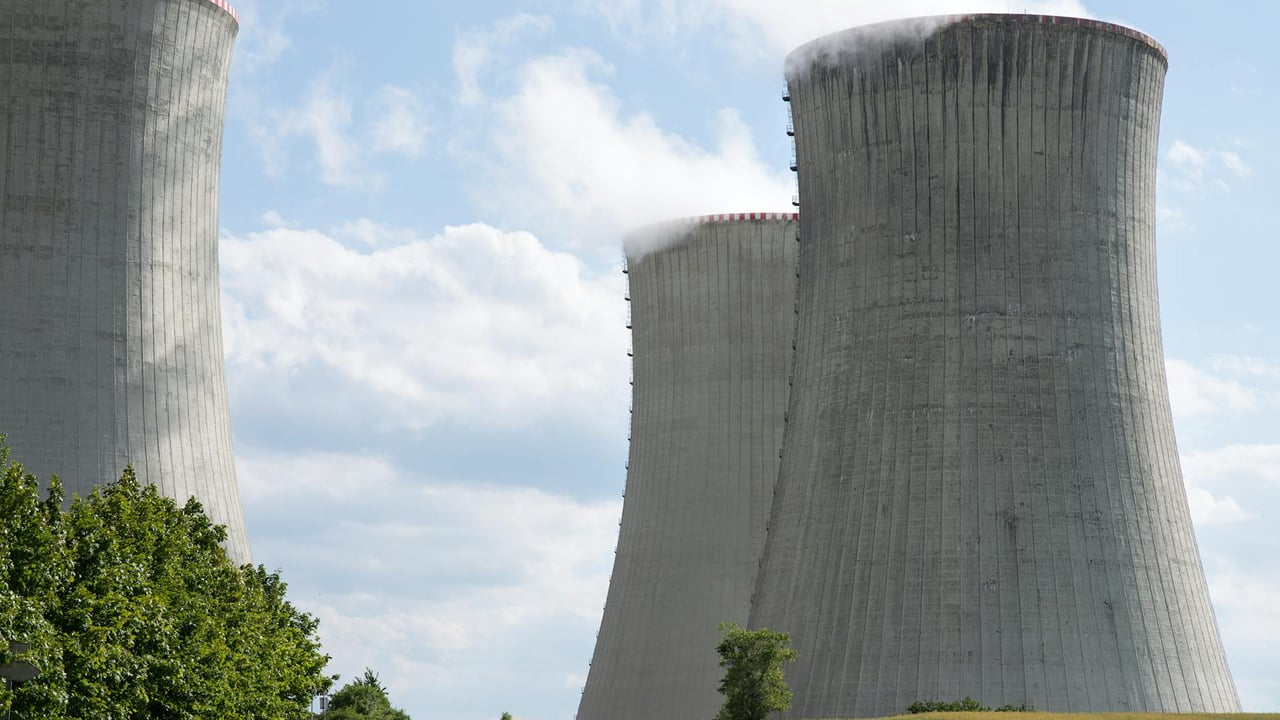

Wall Street’s primary indices opened with modest gains on April 16, but the real story was found in the specialized corners of the energy sector. While the Dow Jones Industrial Average and the Nasdaq Composite saw incremental upticks of 0.22% and 0.16% respectively, nuclear energy stocks experienced a significant breakout. Oklo Inc., the advanced fission firm backed by OpenAI’s Sam Altman, led the charge with a jump of over 8%, while peers NuScale Power and Nano Nuclear Energy both climbed more than 6% in early trading.
This surge reflects an accelerating market consensus: the artificial intelligence revolution is no longer just a software or semiconductor play; it is an infrastructure and energy play. As tech giants scramble to build out the massive data centers required to train and run large language models, the demand for reliable, carbon-free baseload power has reached a fever pitch. Nuclear energy, particularly small modular reactor (SMR) technology, is increasingly viewed as the only viable solution to meet the 24/7 power requirements of AI without compromising corporate decarbonization goals.
Corporate movements elsewhere in the tech sector further underscored this shift toward integrated cloud infrastructure. Oracle shares rose over 3% following the announcement of a strategic partnership with Amazon Web Services (AWS). This collaboration highlights a broader industry trend where former rivals are consolidating services to capture the surging demand for cloud computing and AI workloads. By making the Oracle Database available within AWS, the companies are essentially streamlining the path for enterprise clients to modernize their digital footprints.
International markets also showed resilience, with the Stoxx Europe 600 extending its gains. The intersection of these trends—rising US tech-energy synergy and stable European equity performance—suggests a market that is cautiously optimistic but increasingly focused on the physical bottlenecks of the digital age. Investors are now looking beyond the chipmakers and toward the utilities and energy innovators that will ultimately fuel the next decade of technological expansion.