
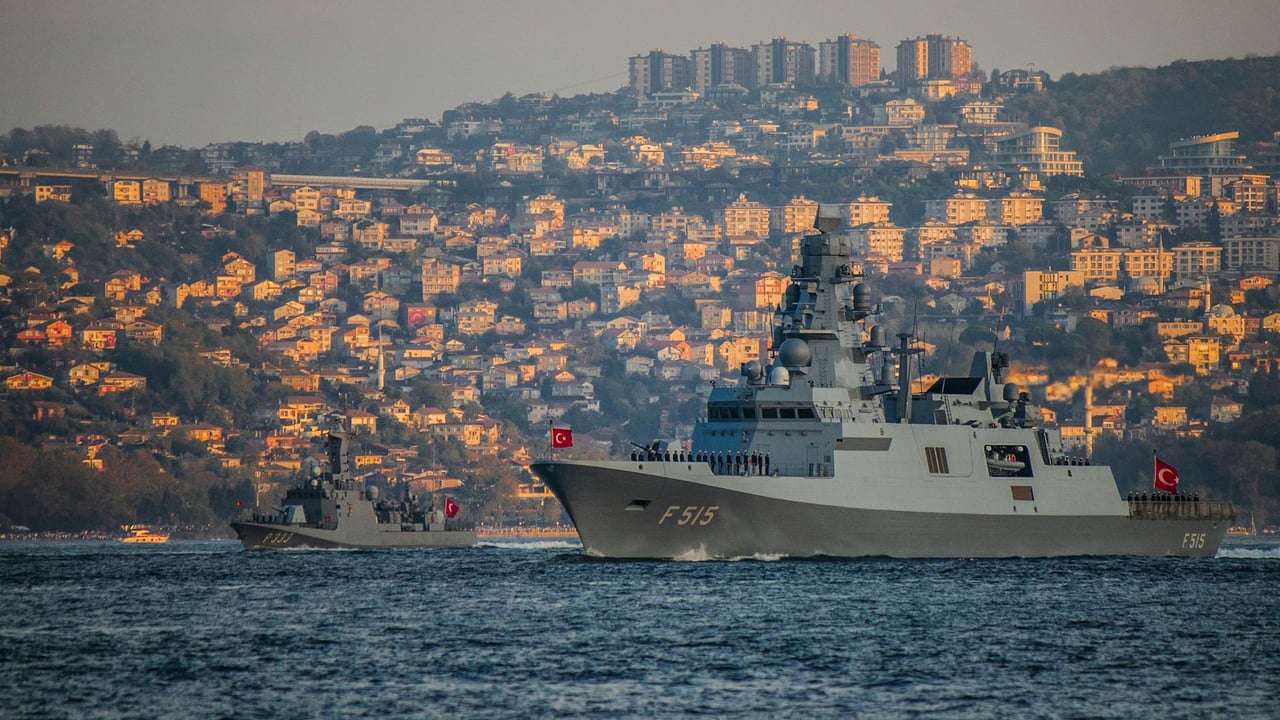

Chancellor Friedrich Merz is signaling a decisive shift in German defense policy by offering military assets for maritime security in the volatile Strait of Hormuz. This move, set to be discussed at a high-level summit in Paris, marks a departure from Berlin's traditional reticence regarding naval engagements in the Middle East. By positioning Germany as a contributor to regional stability, Merz is asserting a more proactive role for the European powerhouse on the global stage.
Germany’s proposed contribution is expected to focus on its specialized niches—specifically minesweeping and maritime reconnaissance—rather than direct combat operations. By leveraging these technical strengths, Berlin aims to help secure one of the world's most critical oil transit chokepoints while navigating the complex domestic political landscape of military deployment. This specialized focus allows Germany to provide high-value support without the immediate political cost of an offensive footprint.
The proposal will be tabled during a crucial meeting with French President Emmanuel Macron, British Prime Minister Keir Starmer, and Italian Prime Minister Giorgia Meloni. This quadrilateral gathering in Paris underscores a growing European desire for strategic autonomy and a more coordinated role in global trade security. The inclusion of other regional stakeholders via video link further emphasizes the multilateral nature of this emerging security framework.
Despite the offer, Merz is tethering German involvement to strict legal and diplomatic benchmarks. For the Bundeswehr to deploy, hostile actions in the region must first cease and an international peacekeeping framework must be established. Crucially, the Chancellor is insisting on a mandate from the United Nations and the formal approval of the German Bundestag, ensuring that any mission carries both international legitimacy and domestic consensus.