
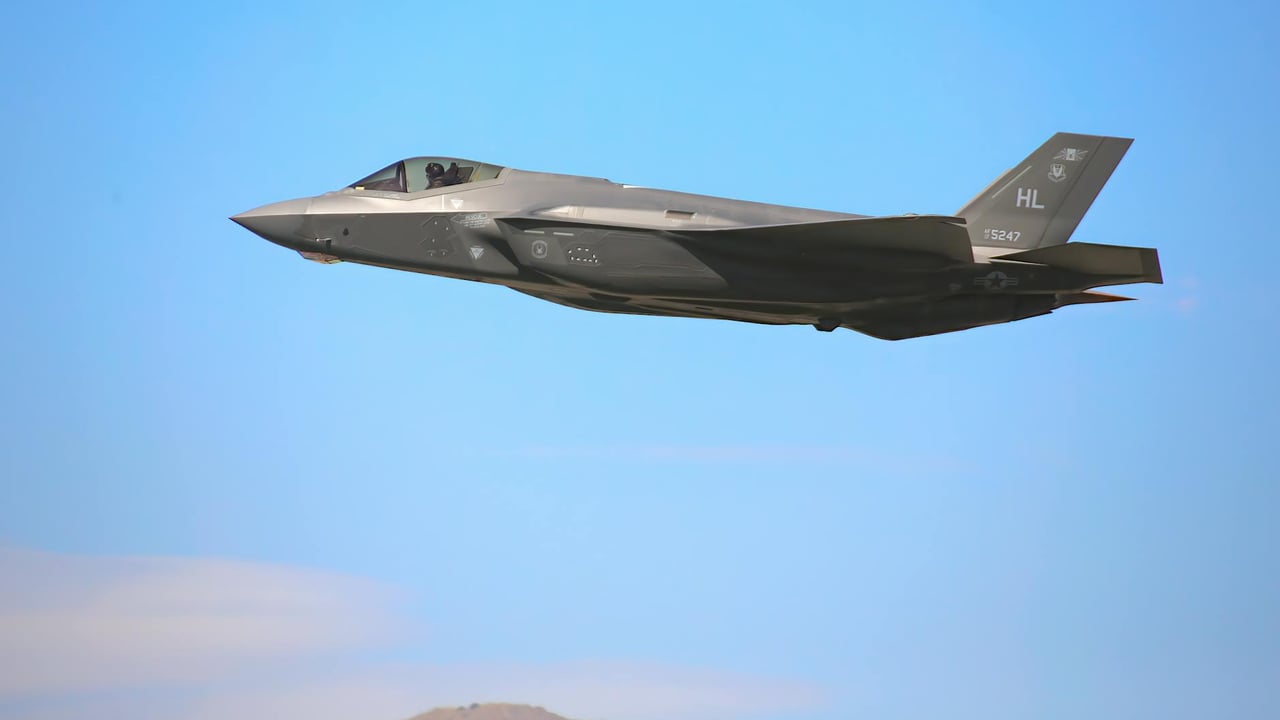

A significant coalition of general officers representing the National Guard in 20 US states has launched a coordinated appeal to Congress, demanding a substantial increase in fighter jet procurement for the upcoming fiscal year. This rare display of collective advocacy underscores a growing anxiety within the National Guard Bureau regarding the widening capability gap between the active-duty Air Force and its reserve components. The generals are urging lawmakers to fund the purchase of at least 72 modern aircraft annually to prevent the obsolescence of the nation's air defense infrastructure.
At the heart of the proposal is a dual-track acquisition strategy designed to balance high-end stealth capabilities with heavy-payload versatility. The minimum request calls for 48 Lockheed Martin F-35A Lightning IIs and 24 Boeing F-15EX Eagle IIs. However, the generals have signaled that an 'ideal' procurement rate would reach 72 F-35As and 36 F-15EXs. This 'high-low' mix is viewed as essential for maintaining a credible deterrent against near-peer adversaries while managing the costs associated with advanced fifth-generation platforms.
The push comes at a critical juncture for the National Guard, which currently operates a significant portion of the nation's legacy F-15C/D and aging F-16 fleets. As these airframes reach the end of their structural lives, the Guard faces the risk of losing entire units if replacement aircraft are not delivered on time. The generals argue that modernizing the Guard is not merely a matter of institutional parity but a core requirement for homeland defense and international power projection.
This legislative pressure also reflects a broader tension in Washington over the 'Total Force' concept. While the Pentagon often prioritizes research and development for future technologies, the National Guard is sounding the alarm on the immediate need for 'iron on the ramp.' By bypassing traditional bureaucratic channels and appealing directly to Congress, these state leaders are highlighting the political and strategic urgency of maintaining a ready and capable air reserve in an increasingly volatile global security environment.