
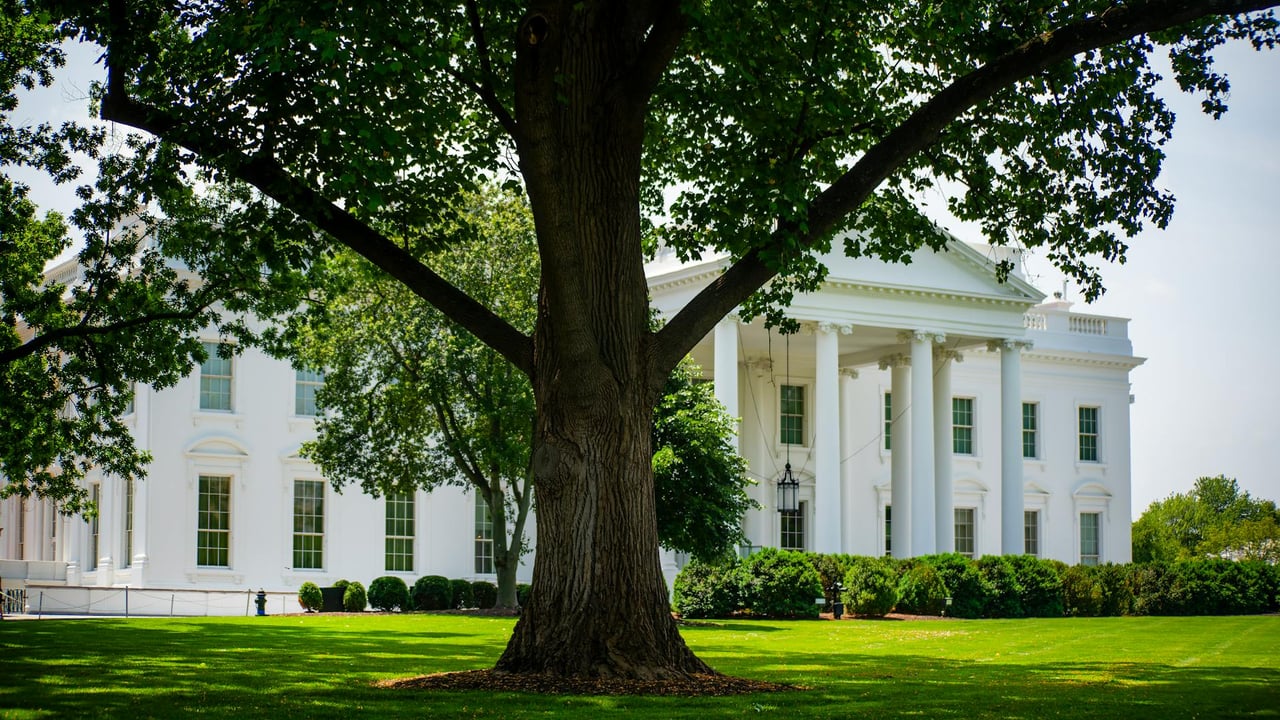

President Donald Trump announced on April 16, 2026, that the United States is on the verge of a historic peace agreement with Iran, claiming that the two nations could hold high-level face-to-face negotiations as early as this weekend. Speaking from the White House, Trump asserted that Tehran has conceded to nearly every American demand, marking a potential end to years of escalating regional tensions and economic sanctions.
According to the President, the deal includes a rigorous 20-year commitment from Iran to abstain from nuclear weapons development, bolstered by an agreement to surrender its current stockpiles of enriched uranium. This breakthrough, if verified, would represent a significant expansion beyond the scope of the 2015 JCPOA, which Trump famously exited during his first term. The President even suggested that a formal signing ceremony could take place in Pakistan, positioning the South Asian nation as a neutral facilitator for the landmark accord.
Beyond the geopolitical implications, Trump framed the prospective agreement as a major victory for the American consumer. He promised that the resolution would secure "free oil" and guaranteed access to the Strait of Hormuz, the world's most critical maritime energy artery. The President linked the success of these negotiations directly to domestic economic concerns, arguing that a stabilized Middle East would lead to a dramatic plunge in oil prices, subsequent cost-of-living reductions, and a decisive end to stubborn inflationary pressures.
Despite the President's optimistic tone and the specificity of his claims, a significant silence lingers from the other side of the negotiating table. As of Friday morning, the Iranian government has offered no official response or confirmation of these supposedly finalized terms. This discrepancy leaves international observers wondering if a genuine diplomatic miracle is at hand or if the announcement is part of a high-stakes pressure campaign aimed at forcing a final resolution.