
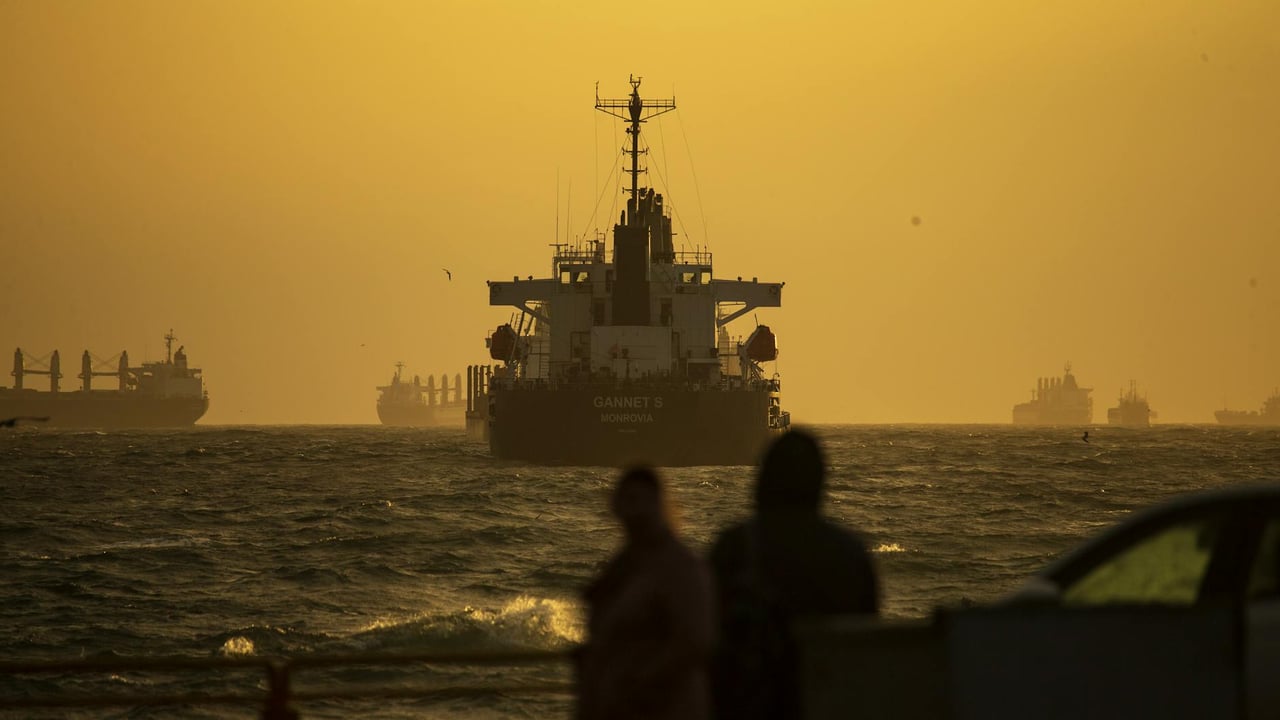

The Strait of Hormuz has long been characterized as the world’s most vital energy artery, a chokepoint where a single naval maneuver can send global markets into a tailspin. Following the U.S. military’s decision to implement a full maritime blockade on Iranian ports as of April 13, 2026, the geopolitical stakes have reached a fever pitch. While the U.S. Central Command recently touted the successful interception of nine tankers attempting to breach the line, the reality on the water suggests a far more porous reality than Washington might care to admit.
Evidence surfaced on April 17 indicating that Tehran is successfully utilizing a sophisticated 'dark fleet' and offshore transshipment network to neutralize the blockade's impact. Maritime intelligence reports reveal that at least 11 tankers, carrying an estimated 20 million barrels of Iranian crude, are currently anchored in transshipment hubs off the coast of Malaysia. By leveraging these offshore storage and ship-to-ship transfer mechanisms, Iran has decoupled its oil exports from its immediate geography, allowing the lifeblood of its economy to flow without ever passing through the contested waters of the Strait.
This logistical pivot represents a significant evolution in 'sanctions-busting' tactics. By accumulating oil in Southeast Asian hubs before distributing it through an indirect network of shell companies and mid-sea transfers, Iran is effectively making the U.S. naval presence at Hormuz a tactical solution to a strategic problem. While the blockade can stop physical hulls from exiting the Persian Gulf, it struggles to intercept a supply chain that has already gone global and invisible long before the tankers reach the open ocean.
Simultaneously, the blockade serves a dual purpose for the Trump administration: the systematic strangulation of the Iranian economy and the aggressive promotion of American energy dominance. Market data suggests U.S. crude exports are poised to surge to 5.2 million barrels per day this month, up from 3.9 million in March. This 'energy-first' foreign policy aims to fill the vacuum left by Iranian oil, yet the strategy carries inherent domestic risks. Analysts warn that while energy conglomerates stand to reap historic profits, the resulting tightening of global supply could inadvertently drive up American gasoline prices, fueling the very inflation the administration has promised to curb.
Ultimately, the efficacy of the Hormuz blockade will be measured not by how many tankers the Navy turns back, but by the resilience of Iran’s shadow economy. If Tehran can continue to move millions of barrels via its Malaysian hubs, the blockade may be remembered as a costly naval exercise that redirected the flow of oil rather than stopping it. For now, the 'dark fleet' remains the most potent tool in Iran's arsenal of economic survival, proving that in the modern era, geography is no longer destiny.