China Eyes Net-Zero from Orbit: New High-Precision Satellite Bolsters Carbon Monitoring

China successfully launched a high-precision greenhouse gas monitoring satellite from the Jiuquan Satellite Launch Center, enhancing its ability to track emissions from space in support of its 2030 peak carbon and 2060 neutrality goals.

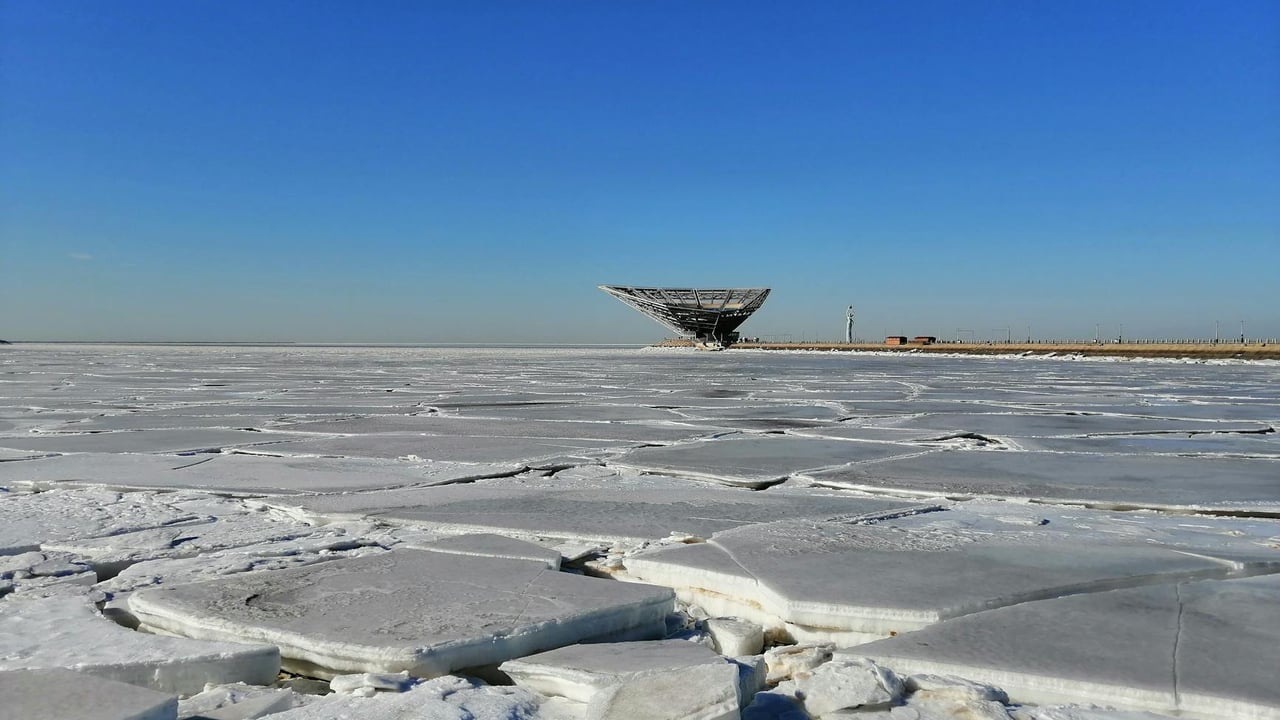
A striking view of a frozen landscape with a modern structure under a blue sky in China.

Key Takeaways

  • 1Successful deployment of a high-precision greenhouse gas detection satellite via a Long March 4C rocket.
  • 2The satellite provides high-fidelity monitoring of carbon dioxide and methane to support domestic climate targets.
  • 3The mission strengthens China's data sovereignty in global climate governance and policy verification.
  • 4The launch demonstrates the integration of China's space program with its long-term 'Dual Carbon' environmental strategy.

Editor's
Desk

Strategic Analysis

This launch represents the intersection of China's space ambitions and its climate diplomacy. By establishing a high-precision orbital monitoring network, Beijing is effectively 'de-risking' its environmental reporting. Historically, China has faced criticism regarding the transparency of its emissions data; however, possessing a domestic satellite constellation allows the state to bypass international skepticism and present its own verifiable evidence of progress toward the 2060 net-zero goal. Beyond domestic utility, this capability allows China to offer environmental monitoring services to Global South partners, further embedding itself as a leader in the technological side of the global green transition. The 'high-precision' aspect is particularly critical, as it allows for the identification of specific methane leaks or industrial 'super-emitters,' giving Beijing the tools to enforce environmental regulations with much stricter top-down oversight than previously possible.

China Daily Brief Editorial
Strategic Insight
China Daily Brief

On April 17, 2026, China successfully deployed a high-precision greenhouse gas monitoring satellite into its intended orbit, marking a significant technical advancement in the nation’s environmental surveillance capabilities. Launched via a Long March 4C carrier rocket from the Jiuquan Satellite Launch Center, the mission signals Beijing’s intensifying commitment to space-based data collection as a pillar of its broader climate strategy.

This new generation of hardware is designed to detect and quantify atmospheric concentrations of greenhouse gases with unprecedented accuracy. By tracking carbon dioxide, methane, and other pollutants from a global vantage point, the satellite provides the central government with the granular data necessary to verify local emission reductions and assess the effectiveness of nationwide environmental policies. This move effectively transitions China from a reliance on ground-based estimates to a more robust, verifiable orbital monitoring system.

The launch comes at a critical juncture for China’s "Dual Carbon" strategy, which aims to peak carbon emissions by 2030 and achieve carbon neutrality by 2060. For a nation often scrutinized for its coal consumption and industrial output, the ability to produce high-fidelity independent data is as much a matter of diplomatic leverage as it is of scientific necessity. It allows Beijing to enter international climate negotiations with a proprietary dataset, challenging Western-led monitoring frameworks.

Furthermore, the success of the Long March 4C mission underscores the continued reliability of China’s space infrastructure in support of civil and environmental goals. As global competition for climate leadership intensifies, Beijing is positioning itself not just as a manufacturing powerhouse for green tech, but as a primary arbiter of the data that will define the success of the Paris Agreement in the decades to come.

Share Article

Related Articles

📰
No related articles found