

The maiden flight of the Dongfeng-5 (DF-5) intercontinental ballistic missile into the deep Pacific remains a foundational mythos for the People’s Liberation Army Navy. In an era when China’s maritime reach barely extended beyond its own coastline, the mission necessitated a sudden, sophisticated leap into blue-water operations. This wasn't merely a test of rocket propulsion, but a trial by fire for a nascent fleet tasked with tracking and recovering a warhead thousands of miles from home.
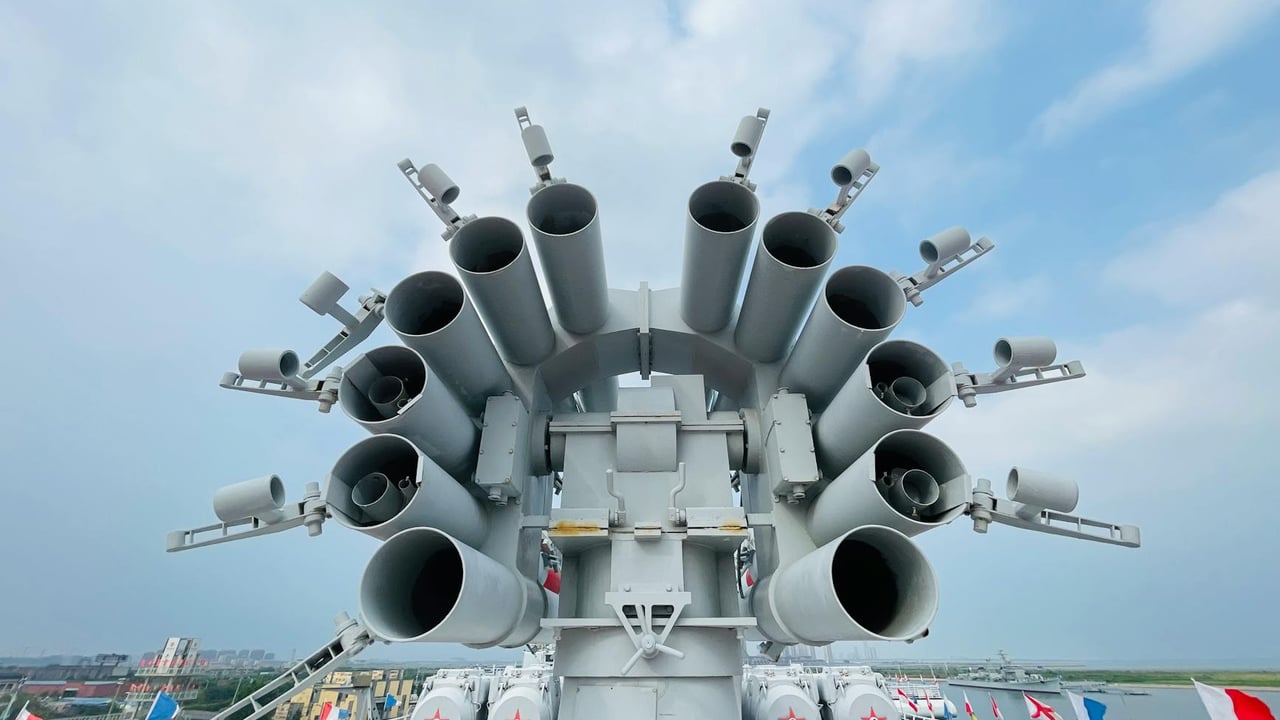
Central to this operation was the debut of the Type 051 guided-missile destroyer, China’s first domestically produced class of modern surface combatants. These vessels provided the essential protective screen and sensor platform for the recovery task force, signaling to the world that Beijing’s military ambitions were no longer landlocked. The successful retrieval of the reentry vehicle in the South Pacific transformed the PLA Navy from a coastal defense force into a regional power with global aspirations.
Contextualizing this event reveals the immense logistical hurdles overcome by engineers and sailors who lacked GPS or advanced satellite communications. The mission required the coordination of eighteen ships, including destroyers, tankers, and space-tracking vessels, across the equator for the first time in the nation's history. It served as a proof of concept for the integrated battle groups that now dominate the South and East China Seas.
Today, as China rapidly expands its nuclear triad and carrier strike groups, the legacy of the DF-5 escort mission echoes through its current naval doctrine. The technical data gathered during those early Pacific sorties laid the groundwork for the Type 052D and Type 055 destroyers that now challenge Western maritime supremacy. What began as a desperate scramble to secure a missile splashdown has evolved into a permanent, assertive presence across the global commons.