
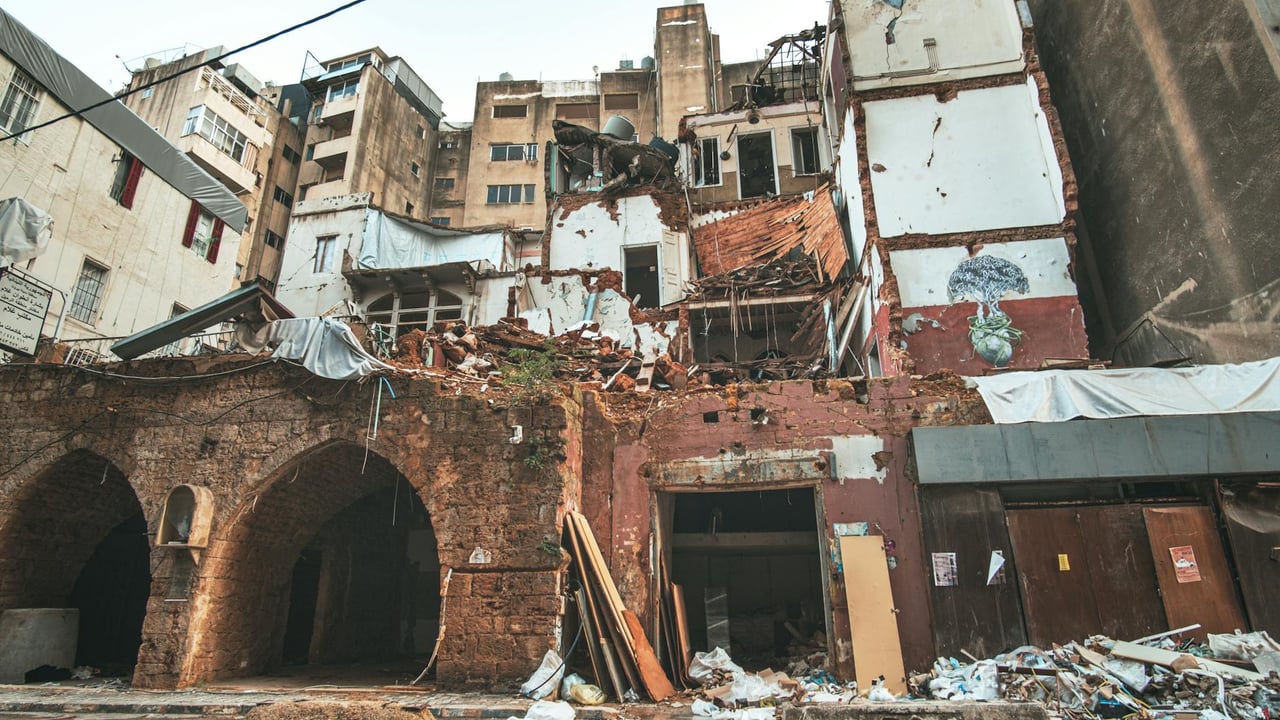

The announcement of a ten-day ceasefire between Israel and Lebanon has provided a narrow but vital window for diplomacy in a region long defined by cycles of attrition. United Nations Secretary-General António Guterres has formally welcomed the cessation of hostilities, positioning the temporary reprieve as a necessary mechanism to alleviate the acute suffering of civilians caught on both sides of the Blue Line.
While the ten-day duration is notably brief, the UN leadership views it as a critical testing ground for the broader restoration of international order. Guterres emphasized that this interval must be utilized not merely as a pause in combat, but as a catalyst for the comprehensive implementation of Security Council Resolution 1701. That landmark resolution, which concluded the 2006 conflict, remains the primary legal framework for ensuring a demilitarized zone in Southern Lebanon.
Success in this diplomatic endeavor hinges on the willingness of all parties to transition from tactical silence to long-term compliance with international law. The Secretary-General’s appeal for 'full adherence' reflects deep-seated concerns over previous violations that have historically undermined border stability. The international community now watches closely to see if this short-term truce can be leveraged into a more durable security architecture.
Beyond the immediate tactical gains, the UN hopes this localized de-escalation will serve as a stabilizer for the wider Middle East. By cooling one of the region's most volatile flashpoints, mediators aim to create the political space necessary for broader regional peace negotiations. The coming days will determine whether this ceasefire is a meaningful turning point or simply a brief interlude before a return to conflict.