
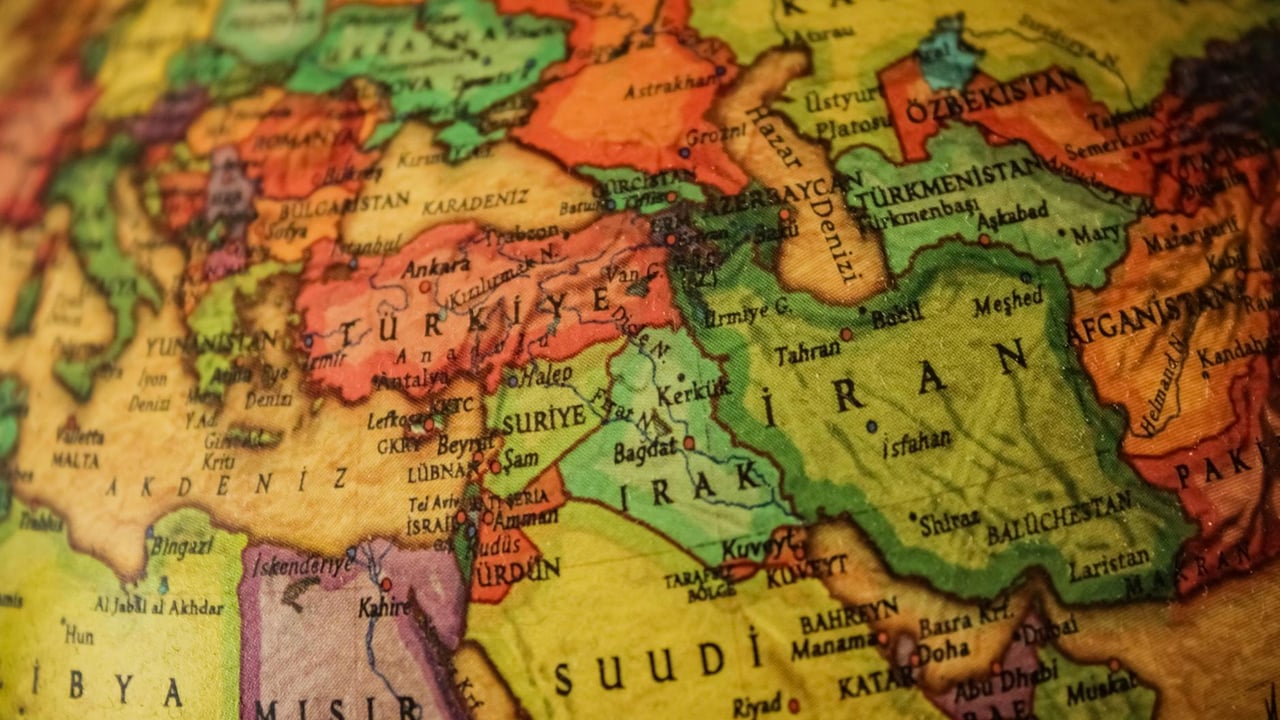

The diplomatic corridors of Islamabad have become the unlikely epicenter of a high-stakes gamble to prevent a regional conflagration. With a fragile temporary ceasefire between the United States and Iran set to expire in less than a week, Pakistan has launched a multi-pronged diplomatic offensive. Prime Minister Shehbaz Sharif is currently traversing the Middle East, seeking support from Saudi Arabia, Qatar, and Turkey, while Army Chief General Asim Munir has taken the rare step of leading a high-level military delegation to Tehran.
This flurry of activity follows a stagnant first round of negotiations in Islamabad that failed to produce a lasting peace framework. Pakistan’s Foreign Ministry describes its role as creating the 'space' for meaningful dialogue, acting as a critical conduit for information between two adversaries who lack formal diplomatic ties. However, the clock is working against the mediators as fundamental disagreements over Iran's nuclear program and regional influence remain unresolved.
Tehran has signaled a cautious willingness to continue talks but has tied progress to broader regional developments. Senior Iranian officials have indicated that a ceasefire in Lebanon is a 'necessary component' and a positive signal required for any meaningful breakthrough with Washington. This linkage complicates the timeline, as Israeli military actions continue and Lebanese leadership remains hesitant to engage in direct talks without pre-existing guarantees.
In Washington, the Trump administration is employing a dual-track strategy of optimism and overt aggression. While the White House describes ongoing talks as 'productive,' Defense Secretary Pete Hegseth has shifted the tone toward ultimatum. Hegseth recently threatened targeted strikes on Iranian energy infrastructure and a naval blockade that could extend into the Pacific to intercept Iranian supplies, moves that legal experts warn could border on war crimes under international law.
Complementing the military threats is a significant escalation in economic warfare. U.S. Treasury Secretary Scott Bessent has signaled a return to 'maximum pressure' by threatening secondary sanctions against any nation or entity purchasing Iranian oil. This aggressive stance aims to choke the Iranian economy into submission should the ceasefire fail, yet it risks alienating key U.S. allies who may view these extraterritorial sanctions as an infringement on their own economic sovereignty.
As the deadline looms, the skepticism in Tehran remains a formidable barrier. Iranian Foreign Ministry spokesperson Esmaeil Baghaei noted the inconsistency of American positions, questioning whether Washington would honor any agreement reached. With the Strait of Hormuz, nuclear enrichment levels, and war reparations still on the table, Pakistan’s role as an interlocutor is more vital—and more precarious—than ever.