
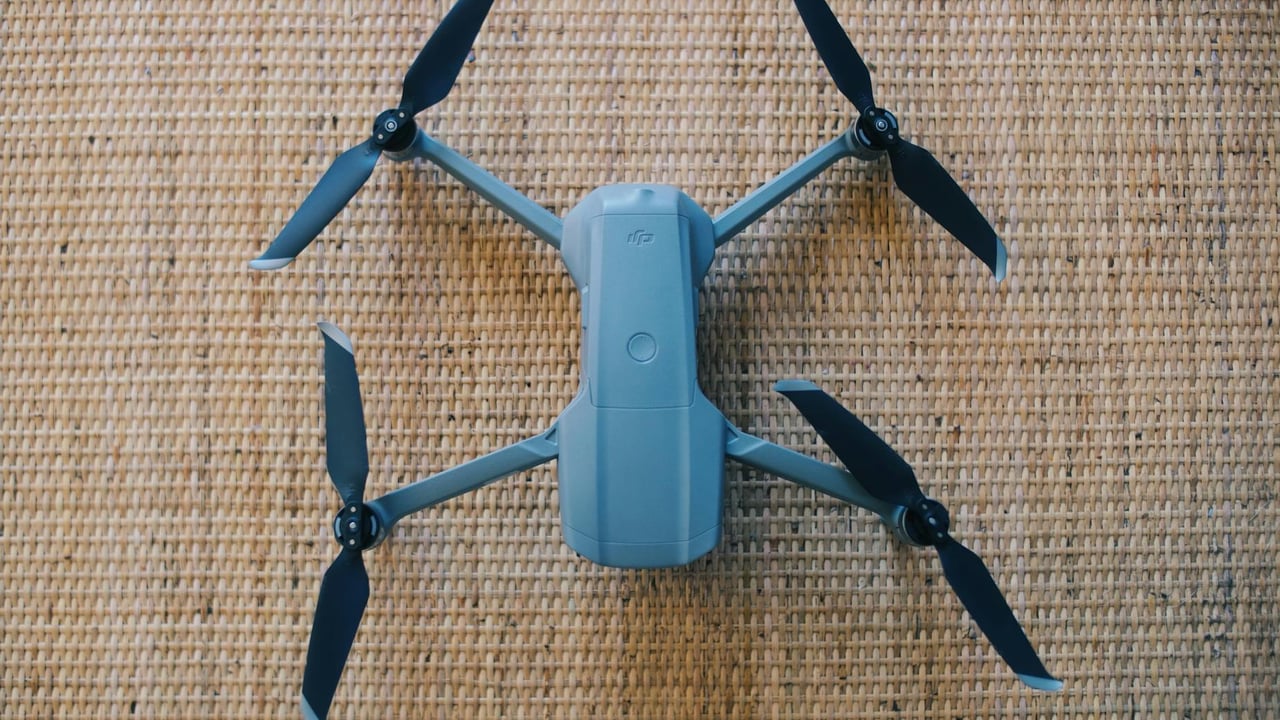

In the shadow of DJI’s ‘Sky City’ headquarters in Shenzhen, a new ritual is unfolding among the venture capital elite. Investors from Beijing and Shanghai are no longer content with high-level briefings; they are literally setting up camp at the base of the drone giant’s tower. Their goal is to intercept the ‘DJI Clan’—an emerging diaspora of elite engineers and product managers who are leaving the world’s most successful consumer drone company to build the next generation of global hardware brands.
This trend is fueled by the staggering success of DJI alumni startups like Bambu Lab. Founded by former DJI engineers, the 3D-printing firm reached a 10-billion-yuan annual revenue milestone in just five years—a feat that took DJI itself a decade to achieve. This ‘Bambu myth’ has transformed the hardware investment landscape, turning a previously niche sector into a hotbed for high-stakes speculation where pre-product startups are being valued at upwards of $300 million based solely on their pedigree.
The ‘DJI style’ of entrepreneurship is distinct from the disciplined, militaristic culture of Huawei or the sales-heavy focus of the Anker ecosystem. These founders are typically characterized by a ‘geek’ aesthetic, a refusal to compromise on product quality, and a penchant for creating premium niche categories. From portable power stations and electric wheelchairs to high-end e-bikes and all-terrain vehicles, the DJI diaspora is focused on lifestyle-driven technology tailored for the global market rather than competing on price at home.
DJI’s founder, Frank Wang, remains philosophically detached from the exodus, comparing the departures to the natural shedding of leaves from a tree. In rare public remarks, he acknowledged that as DJI has matured into a global leader, the focus has shifted toward refining existing systems rather than the raw, chaotic innovation that defines a startup. For top-tier technical experts who joined DJI for its ‘Utopian’ engineering environment, the allure of external capital and the chance to build a new category from scratch has become irresistible.
However, the frenzy of ‘trapping’ DJI talent is showing early signs of cooling. While US-dollar funds have historically been willing to pay a premium for the DJI label, domestic RMB funds are becoming increasingly wary of astronomical valuations for companies that have yet to ship a single unit. Hardware remains a punishingly slow game compared to software, and the coming seasons will act as a reality check for this wave of startups as they move from the laboratory to the mass market.
Ultimately, DJI has fulfilled the role of a ‘Whampoa Military Academy’ for the Chinese electronics industry. It has trained a generation of engineers to believe that Chinese brands can define global standards and command premium prices. Whether DJI itself can maintain its innovative edge while its best talent explores the boundaries of hardware elsewhere remains the central question for the future of Shenzhen’s technology ecosystem.