Tokyo’s Strait Crossing: A New Flashpoint in the Fragile Sino-Japanese Relationship

Beijing has issued a severe diplomatic protest following a Japanese Self-Defense Force vessel's transit through the Taiwan Strait. Chinese officials characterized the move as a 'deliberate provocation' linked to recent pro-Taiwan rhetoric from Tokyo's leadership.

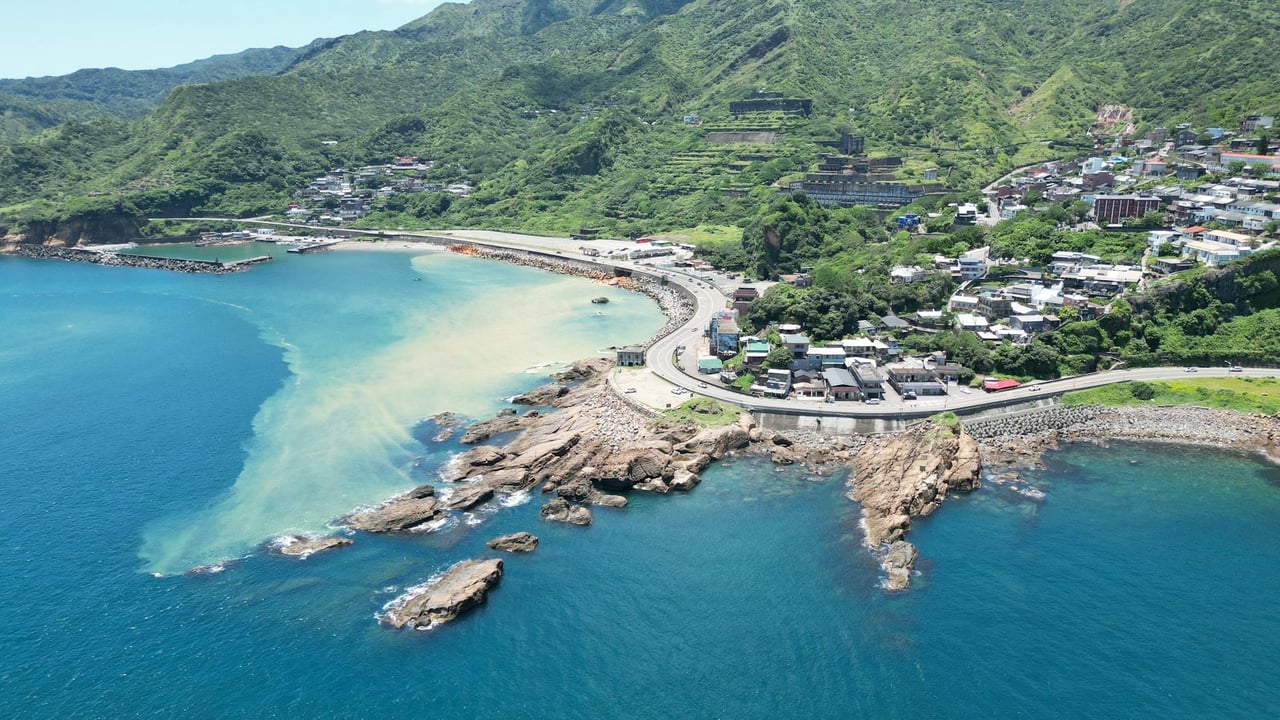
Aerial view of Taiwan's lush coastline with vibrant blue oceans and picturesque landscape.

Key Takeaways

  • 1A Japanese Maritime Self-Defense Force vessel transited the Taiwan Strait on April 17, 2026.
  • 2China's Ministry of Foreign Affairs described the move as 'error on top of error' and a 'dangerous plot' to intervene in Chinese affairs.
  • 3Beijing explicitly linked the naval transit to 'erroneous' Taiwan-related remarks made by Prime Minister Sanae Takaichi.
  • 4The Chinese military deployed forces to monitor and handle the Japanese vessel in accordance with maritime regulations.
  • 5China warned that the incident severely damages the political foundation of Sino-Japanese relations and threatens national sovereignty.

Editor's
Desk

Strategic Analysis

This incident signals a departure from Japan's traditionally cautious approach to the Taiwan Strait, reflecting a more assertive security posture under the Takaichi administration. By sending a Self-Defense Force vessel—rather than a coast guard ship—through the strait, Tokyo is aligning more closely with Washington’s 'Free and Open Indo-Pacific' strategy, effectively challenging Beijing's claims of jurisdiction over the waterway. For Beijing, the 'red line' rhetoric is intended to deter other regional players from following suit. As Japan continues to integrate its security concerns with Taiwan’s stability, the risk of accidental military friction or a protracted economic decoupling between Asia's two largest economies moves from a theoretical possibility to a looming reality.

China Daily Brief Editorial
Strategic Insight
China Daily Brief

The waters of the Taiwan Strait have once again become a theater for high-stakes geopolitical posturing as Beijing issued a blistering condemnation of a Japanese Maritime Self-Defense Force transit. On April 17, Chinese Ministry of Foreign Affairs spokesperson Guo Jiakun characterized the deployment as a deliberate provocation and a demonstration of military bravado, marking a significant escalation in the rhetoric between the two East Asian powers.

Beijing’s reaction suggests that this is not viewed as a routine freedom of navigation exercise but as a calculated political affront. The Chinese military reportedly tracked and monitored the vessel according to standard protocols, but the diplomatic fallout has been swift. China has lodged a formal protest, framing the move as a violation of the political foundations that have governed the bilateral relationship for decades.

This maritime friction is inextricably linked to the hardening political stance in Tokyo. Beijing specifically cited recent comments regarding Taiwan by Prime Minister Sanae Takaichi as a primary catalyst for the current tension. By linking naval movements to political rhetoric, the Chinese leadership is signaling that it views Japan’s recent policy shifts as a coordinated attempt to intervene in what it considers a strictly internal matter.

The use of the phrase "error on top of error" reflects Beijing's deepening frustration with a Japan that appears increasingly willing to abandon its post-war pacifist constraints. For China, the Taiwan issue remains the ultimate red line. This latest incident serves as a stark warning that continued Japanese involvement in the strait could lead to a permanent fracturing of regional stability and a total breakdown in diplomatic trust.

Share Article

Related Articles

📰
No related articles found