
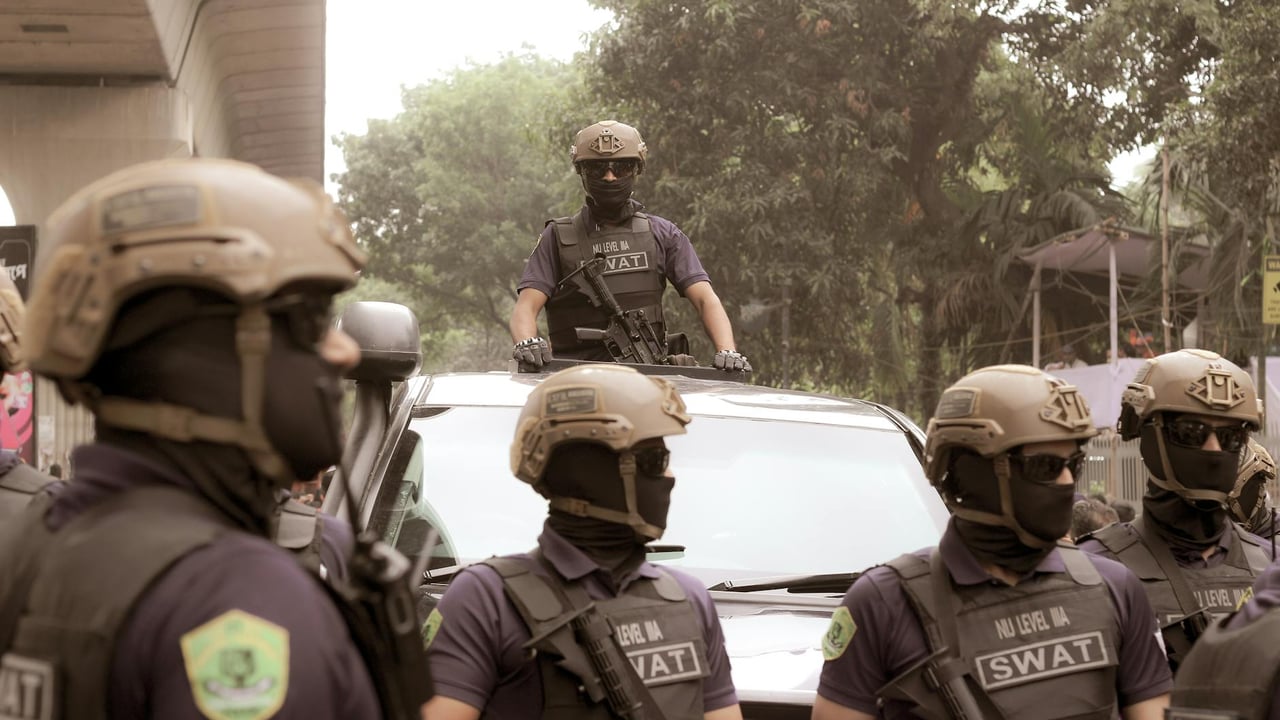

In the sub-zero aftermath of the '1.07' earthquake in Tibet’s Dingri County, Zhao Yang, a deputy captain of the Shigatse SWAT tactical unit, was found digging through ruins with his bare hands. For Zhao and his team, the race against the fading light was a matter of life and death, as the plummeting temperatures of the high-altitude night are as lethal as the initial tremors. This scene serves as a visceral entry point into the life of a modern Chinese security officer stationed in one of the world’s most demanding operational environments.
Zhao’s trajectory from a 19-year-old recruit from Sichuan to a national SWAT champion reflects a broader strategic shift in China’s management of its restive frontier regions. Since 2008, the state has prioritized not just the quantity of its security presence in the Tibet Autonomous Region, but its professionalization. The transition from military service to specialized policing, as seen in Zhao’s career, highlights the integration of elite combat training with domestic stability maintenance and disaster response.
Operating at altitudes where oxygen is scarce, the physical toll on personnel is extreme. During the 2014 pilgrimage season in Ngari, Zhao’s unit demonstrated the delicate balance of their role: combining rigorous security patrols with humanitarian assistance. While escorting a disoriented tourist through a treacherous canyon, the team had to navigate both physiological distress and the cultural sensitivities of the local environment, eventually carrying the woman to safety under conditions that would incapacitate most lowlanders.
This grueling environment has become a proving ground for the Ministry of Public Security. At the 2025 National Police SWAT Challenge, Zhao defied the historical performance gap between frontier and coastal units by securing the national championship in combat pistol shooting. His victory, achieved in under 58 seconds, is being framed by state media as a validation of the 'Plateau Spirit'—a narrative that suggests ideological commitment and iron discipline can overcome the geographical and physiological disadvantages of the Tibetan highlands.
Ultimately, Zhao’s refusal to accept a transfer to a more comfortable city in the interior underscores the government's long-term goal of fostering a permanent, highly skilled security class in the borderlands. By championing figures who find 'second homes' in Tibet, Beijing reinforces its narrative of national unity and total control. These elite units now represent the first line of defense in a region where the environment is as much a challenge as the political complexities of the mission.