
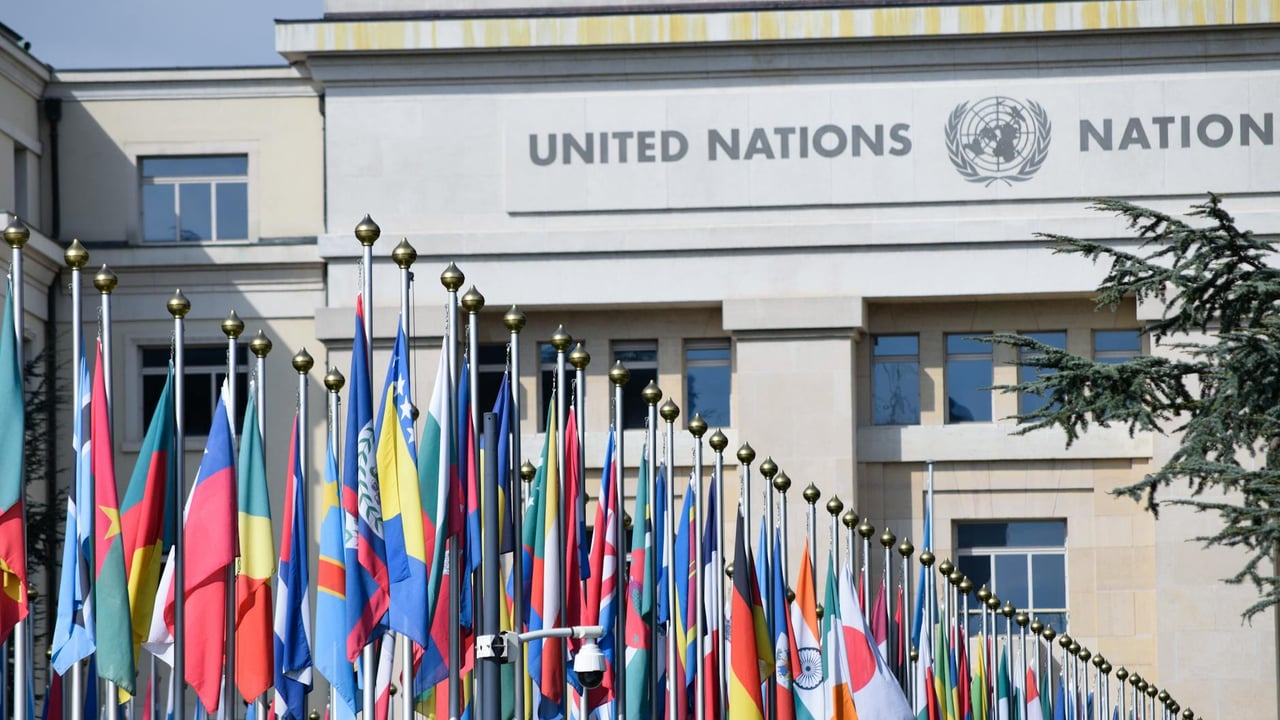

The diplomatic tightrope between Washington and Tehran remains taut as the second round of high-stakes negotiations has reached a significant impasse. Despite the initial momentum from earlier discussions, the scheduling and location for the next phase of talks remain undecided, signaling a deepening of the trust deficit that has long plagued the relationship. This lack of clear direction has left international observers wary of a potential collapse in the de-escalation process.
The repercussions of this diplomatic inertia are already vibrating through the regional security architecture, most notably in Islamabad. Pakistan has proactively elevated its national security alert level to the highest tier, reflecting fears that any further deterioration in U.S.-Iran relations could ignite instability along its western borders. This move suggests that regional stakeholders are preparing for the worst-case scenario should diplomacy fail to provide a stabilizing framework.
Pakistan's strategic positioning highlights the interconnected nature of Middle Eastern and South Asian security. For Islamabad, a breakdown in U.S.-Iran talks is not merely a diplomatic disappointment but a potential catalyst for renewed proxy conflicts and economic disruptions. The comprehensive upgrade in alert status serves as both a defensive measure and a public signal of the high stakes involved for neighboring states caught in the crossfire of great power maneuvering.
As the international community waits for a breakthrough, the current vacuum is being filled by military posturing and heightened surveillance. Without a clear roadmap for the second round of negotiations, the risk of miscalculation increases exponentially. The coming weeks will be critical in determining whether the parties can return to the table or if the region is drifting toward a new era of unmanaged friction and containment.