

The geopolitical chessboard in the Middle East has entered a perilous new phase as the Trump administration intensifies its campaign of 'maximum pressure' against Tehran. Under the banner of 'Operation Economic Fury,' Washington is attempting to squeeze the Iranian economy into submission just as a critical two-week ceasefire window approaches. This escalation is not merely a prelude to conflict but a high-stakes gambit designed to force Iran into a position of weakness before potential negotiations begin.
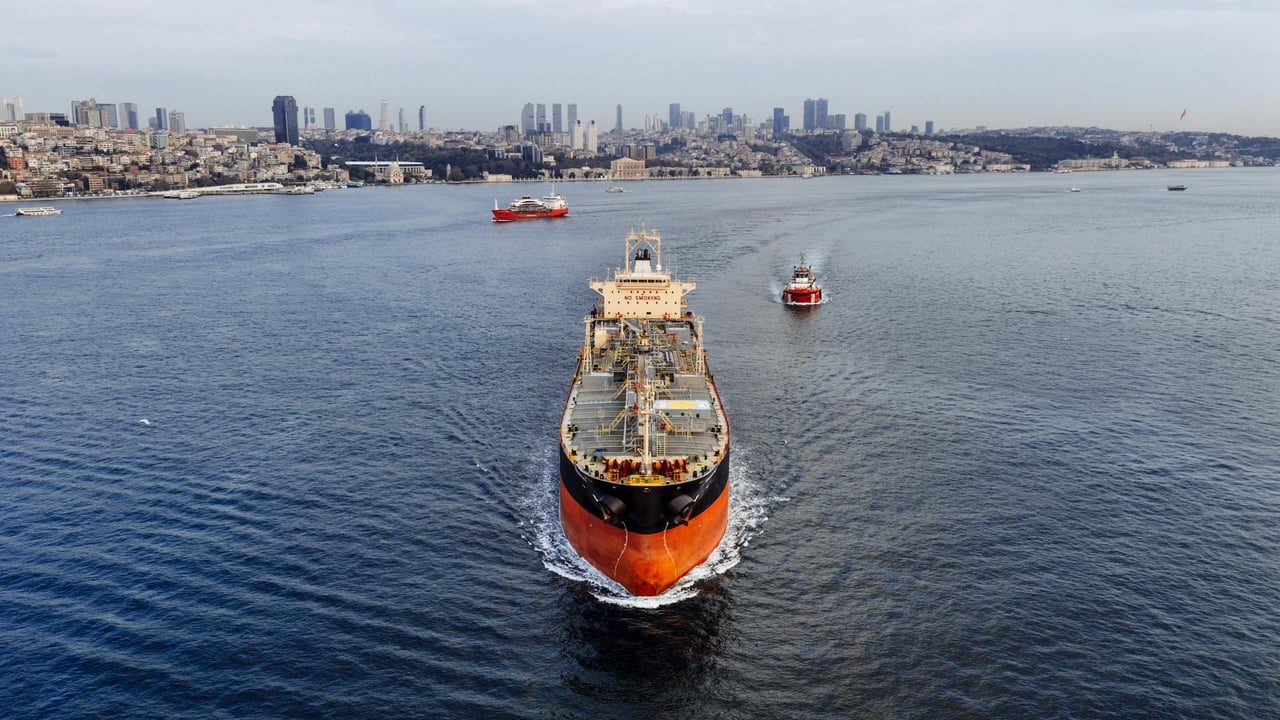
Despite the tightening noose, Tehran maintains a formidable hand of strategic 'trump cards' that complicate American objectives. Central to this is the control of the Strait of Hormuz, a narrow maritime artery through which a fifth of the world’s oil flows. By threatening to block not only the Persian Gulf but also the Gulf of Oman and the Red Sea, Iran’s military is signaling that any attempt to totalize its economic isolation will result in a global energy crisis that the West may be unable to afford.
Beyond geography, Iran’s defense doctrine has evolved toward sophisticated asymmetric warfare. In the face of conventional American superiority, Tehran has pivoted to a 'low-cost, high-yield' model centered on vast stockpiles of suicide drones and precision missiles. Intelligence assessments suggest that despite sustained pressure, Iran’s mobile launch platforms remains largely intact, providing a persistent deterrent that can be rapidly reconstituted even after targeted strikes.
Tehran’s influence is further amplified through its 'Axis of Resistance,' a distributed network of proxies including Hezbollah, the Houthis, and various Iraqi militias. This 'distributed deterrence' allows Iran to open secondary fronts at will, such as the Bab al-Mandab Strait, effectively stretching American naval resources thin. By viewing the resistance front as a unified entity, Iran ensures that a strike against the center will trigger a coordinated response from the periphery.
On the other side of the ledger, the United States is deploying a multi-layered offensive involving economic, military, and psychological warfare. The deployment of a third aircraft carrier to the region and the tightening of oil transport sanctions are intended to create a 'total encirclement.' The White House is betting that the cumulative weight of high inflation and fiscal strangulation will eventually erode the Iranian regime's internal cohesion and force a diplomatic surrender.
However, the clock may be working against Washington. While the Trump administration seeks a quick victory to satisfy a domestic base weary of rising oil prices and overseas entanglements, Tehran is prepared for a 'protracted war' of endurance. Having survived decades of sanctions, the Iranian leadership is gambling that the political cost of a stalemate will eventually force the United States to blink first. As both sides prepare for the next round of talks, the likely outcome is not a grand bargain, but a prolonged, high-risk standoff where neither side is willing to leave the table empty-handed.