
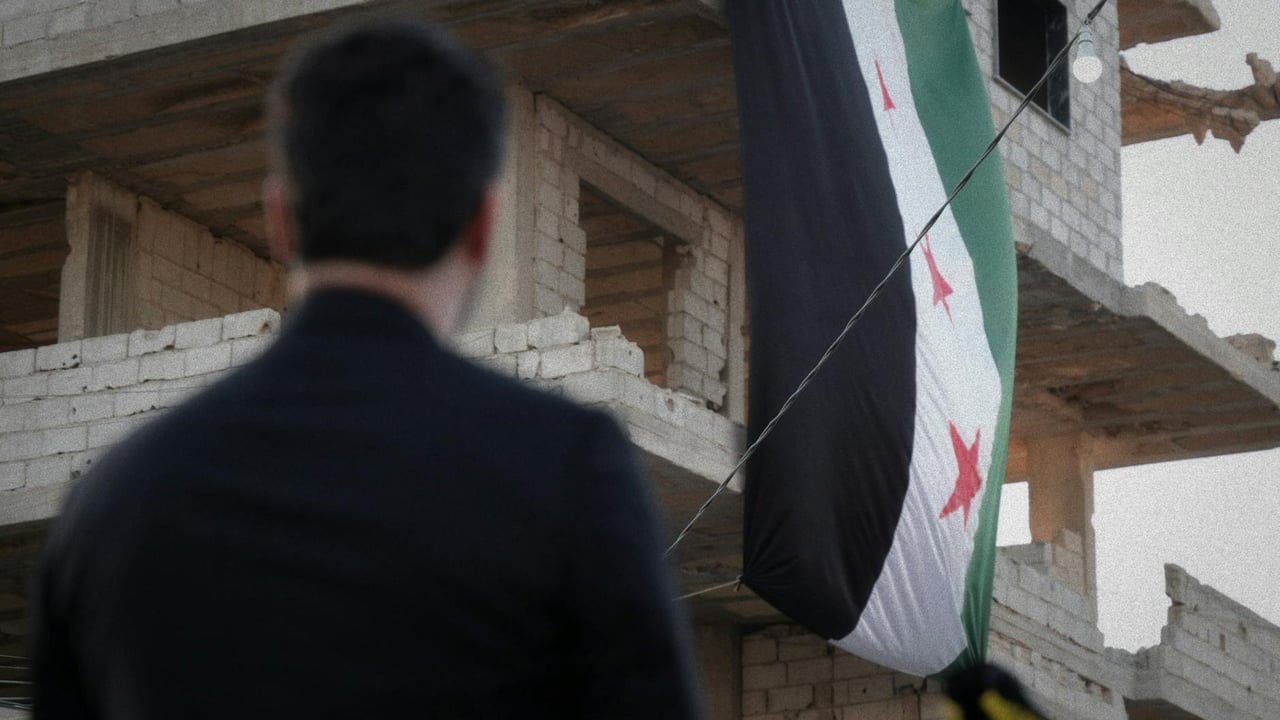

The decade-long U.S. military intervention in Syria has officially drawn to a close, marking a fundamental realignment of power in the Levant. After eleven years of operations that began with the 2014 international coalition against the Islamic State (ISIS), the final U.S.-led forces have vacated their remaining strongholds. This departure signals the conclusion of a mission that evolved from a counter-terrorism surge into a complex geopolitical stalemate.
The Syrian Transitional Government (STG) has moved swiftly to fill the resulting security vacuum, announcing the formal takeover of all former U.S. military installations. Strategic assets, including the Al-Tanf garrison in the south and the vital oil-proximate bases of Rumeilan and Shaddadi in the northeast, are now under the jurisdiction of the transitional defense ministry. This handover represents a critical milestone for the STG as it seeks to consolidate its domestic legitimacy and territorial integrity.
For Washington, the withdrawal reflects a long-anticipated pivot away from the era of 'forever wars' and toward a leaner regional footprint. The decision to hand over these bases suggest a calculated bet on the durability of the current transitional framework. While the U.S. presence was originally anchored in the 2015 deployment to assist local partners, its exit leaves the task of preventing an ISIS resurgence entirely in the hands of the new Syrian administration.
The international community now watches closely as the STG attempts to manage the disparate factions and security challenges previously mediated by American force. The transition is not merely a logistical success but a high-stakes test of whether Syria can maintain its fragile peace without direct Western military support. As the last coalition troops depart, the focus shifts to the diplomatic and economic rebuilding of a nation that remains deeply scarred by a generation of conflict.