
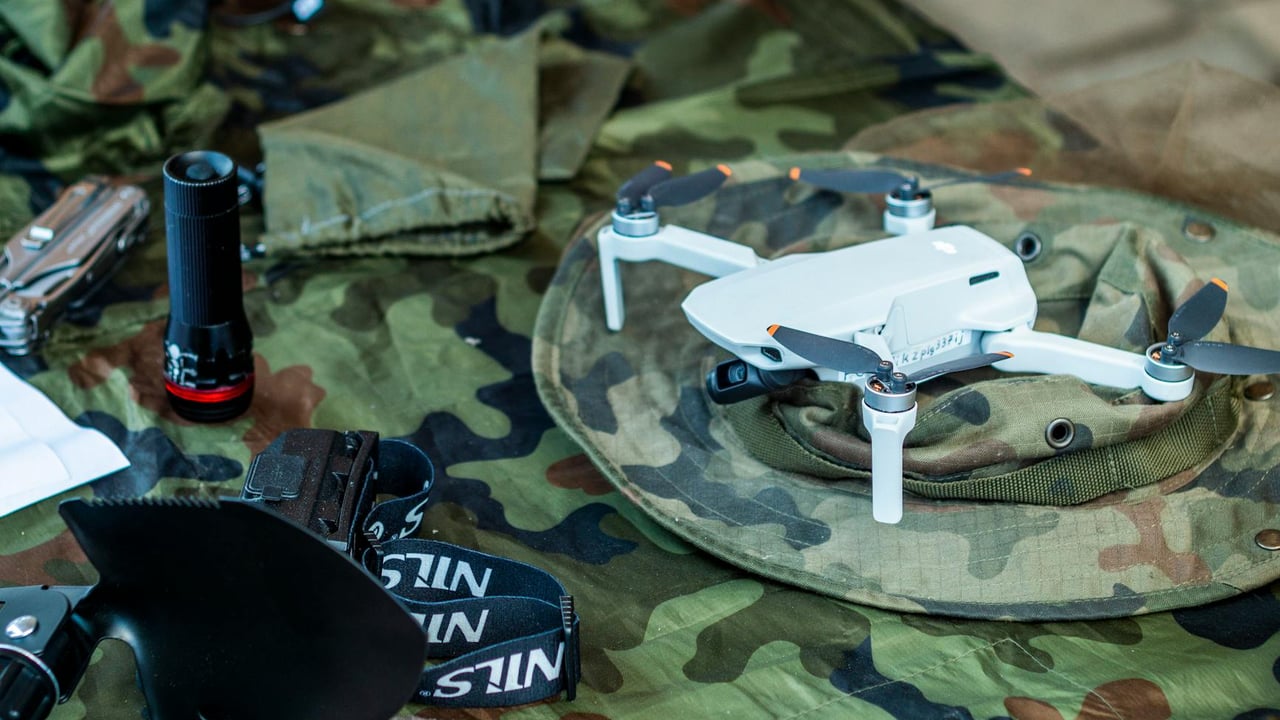

Japan is accelerating its military transformation with the establishment of two specialized unmanned systems offices within its Ground Self-Defense Force. Defense Minister Shinjiro Koizumi recently inaugurated the Unmanned Defense Capability Promotion Office and the Unmanned Systems Office in Tokyo, marking a significant structural shift. These units are tasked with everything from conceptualizing drone warfare to handling the procurement and logistics of autonomous platforms across land, sea, and air.
This institutional change reflects a broader strategic pivot from passive reconnaissance to active offensive capabilities. While Japan currently operates roughly 1,200 unmanned systems primarily for surveillance, the Ministry of Defense is moving toward a more lethal arsenal. This includes the integration of loitering munitions, often called 'suicide drones,' designed to strike armored vehicles and naval targets from hundreds of miles away.
The drive toward automation is born of necessity as much as strategy. Japan’s shrinking labor force and aging population make the maintenance of a large, conventional standing army increasingly difficult. By pivoting to unmanned systems, Tokyo seeks to maintain its deterrent posture while reducing the human cost and personnel requirements of modern combat operations.
Financial commitments underscore the seriousness of this shift, with Tokyo earmarking approximately 1 trillion yen ($6.3 billion) over the next five years for unmanned technology. Lessons from recent conflicts in Ukraine and the Middle East have convinced Japanese strategists that low-cost drones are essential 'game changers.' These systems offer a cost-effective alternative to expensive cruise missiles, allowing for sustained attrition in a high-intensity conflict.
However, this buildup is causing significant friction with regional neighbors, particularly China. Critics argue that the development of long-range strike drones, capable of reaching targets over 1,000 kilometers away, effectively dismantles Japan’s post-war 'Exclusive Defense' principle. The integration of these drones with advanced anti-ship missiles represents a formidable counter-strike capability that moves Japan further away from its pacifist constitutional constraints.
Beijing has characterized these developments as a revival of 'new militarism,' suggesting that Tokyo is using technological evolution to bypass historical restrictions. As Japan deploys long-range assets to its southwestern islands, the regional security architecture is being fundamentally reshaped. What began as a move to address domestic demographic shortages is now evolving into a sophisticated offensive network that challenges the existing Pacific status quo.