
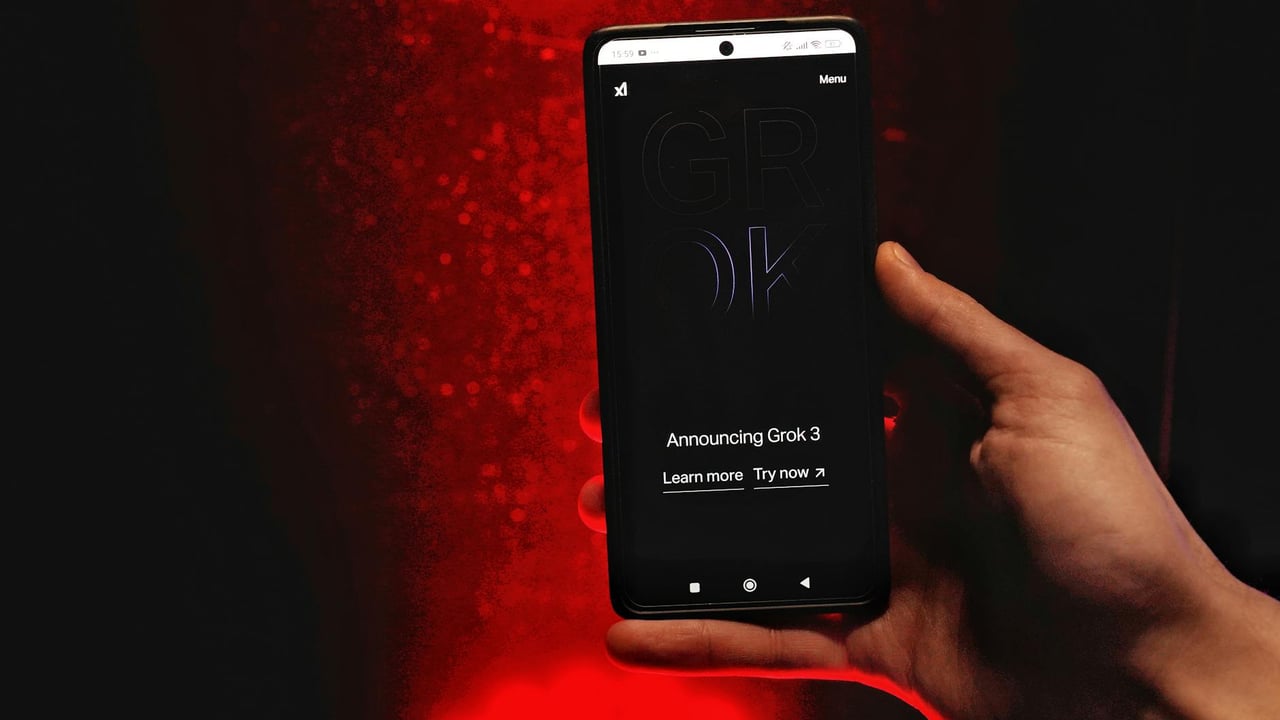

Elon Musk’s artificial intelligence venture, xAI, has officially entered the next phase of its platform evolution by launching Speech-to-Text (STT) and Text-to-Speech (TTS) APIs for the Grok platform. This development marks a transition from Grok being a standalone chatbot to becoming a foundational infrastructure tool for third-party developers. By offering high-fidelity and low-latency audio capabilities, xAI is positioning itself to compete directly with industry leaders like OpenAI and Google in the burgeoning market for real-time AI voice interaction.
The introduction of these APIs is specifically designed to facilitate the integration of natural, fluid voice conversations within external applications. Unlike earlier iterations of voice AI that often suffered from robotic phrasing or significant lag, xAI claims its new models prioritize a lifelike experience that can handle the nuances of human speech. This move is a clear signal that Musk intends to build a comprehensive ecosystem that rivals the multi-modal capabilities currently dominated by the GPT-4o and Gemini models.
Beyond the software implications, the timing of this release suggests a deepening integration within the broader Musk empire. As Tesla continues to refine its 'Optimus' humanoid robot and its Full Self-Driving software, the need for a robust, low-latency voice interface becomes critical. Grok’s new voice APIs provide the necessary linguistic architecture to allow machines to communicate naturally with users in high-stakes environments where every millisecond of processing time matters.
Furthermore, this launch represents a strategic pivot toward developer-led growth. By opening up Grok’s audio capabilities via API, xAI is attempting to attract a community of builders who can find novel use cases for the technology in customer service, entertainment, and accessibility. This strategy mirrors the path taken by OpenAI’s Whisper, seeking to establish Grok not just as a personality-driven bot, but as a silent, essential engine powering the next generation of voice-activated software.