Stomach Pains in the Pacific: What Dietary Failures Reveal About U.S. Naval Readiness

Recent reports highlight severe food shortages and logistical failures aboard U.S. Navy ships, where sailors are receiving minimal rations and missing family supply deliveries. These issues are being framed by international observers as signs of underlying morale and sustainment crises within the U.S. military.

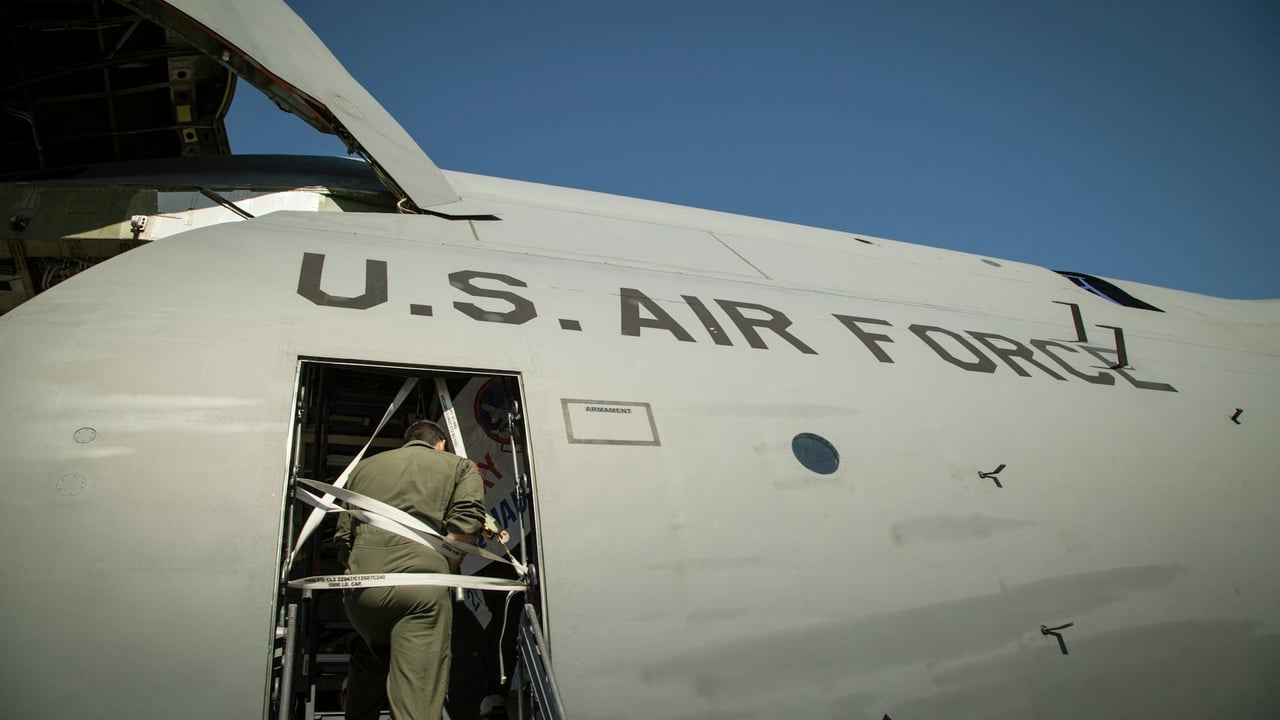
US Air Force personnel loading cargo into a military transport aircraft.

Key Takeaways

  • 1U.S. Navy meal portions have reportedly shrunk to one-third of a standard tray, often featuring low-quality minced meat.
  • 2Logistical failures are preventing care packages from families from reaching service members on deployment.
  • 3Chinese state-affiliated media is actively using these reports to project a narrative of U.S. military decline.
  • 4The situation highlights a critical tension between high-level defense spending and the actual welfare of frontline personnel.

Editor's
Desk

Strategic Analysis

The focus on U.S. naval food quality in Chinese media is more than just tabloid journalism; it is a calculated element of cognitive warfare. By highlighting 'stomach-level' failures, Beijing shifts the focus from the U.S. Navy's technological edge to its human vulnerabilities, suggesting that the 'man behind the machine' is being neglected. From a strategic standpoint, these logistical hiccups are symptoms of a Navy that is overstretched by constant 'presence operations' and a supply chain that has not kept pace with the demands of a contested maritime environment. If the U.S. cannot solve the 'last mile' of its logistical tail—getting food and mail to sailors—it faces a significant challenge in maintaining the long-term endurance required for a sustained peer-level competition.

China Daily Brief Editorial
Strategic Insight
China Daily Brief

Recent reports surfacing in Chinese state-affiliated media have cast a harsh spotlight on the deteriorating quality of life aboard United States naval vessels, highlighting a growing disconnect between the Pentagon’s strategic ambitions and the basic needs of its personnel. Observations of daily meals served to sailors suggest a significant decline in nutritional standards, with rations frequently consisting of meager portions of minced meat and dry biscuits.

This logistical strain is further exacerbated by systemic failures in the delivery of personal supplies. Families of service members report that care packages and supplemental nutrition sent from home are failing to reach their destinations, leaving personnel to rely entirely on an increasingly strained onboard galley. This breakdown in the mail and supply chain points to a broader fragility within the Navy's long-range sustainment operations.

Beyond the immediate physical toll on the crew, these reports underscore a deepening morale crisis. In the high-stakes environment of the Indo-Pacific, where presence and readiness are the primary currencies of deterrence, the inability to provide foundational sustenance serves as a potent vulnerability. If a fleet cannot feed itself adequately during routine patrols, its capacity for sustained high-intensity conflict remains an open question.

Chinese media outlets, such as Haiwai Wang, have been quick to amplify these stories, framing them as evidence of American institutional decay. By contrasting the image of a technologically superior superpower with the reality of hungry sailors, Beijing is utilizing these logistical lapses to undermine the perceived reliability of U.S. regional commitments. This narrative serves to embolden competitors and worry allies who depend on the U.S. military's operational stability.

Share Article

Related Articles

📰
No related articles found