
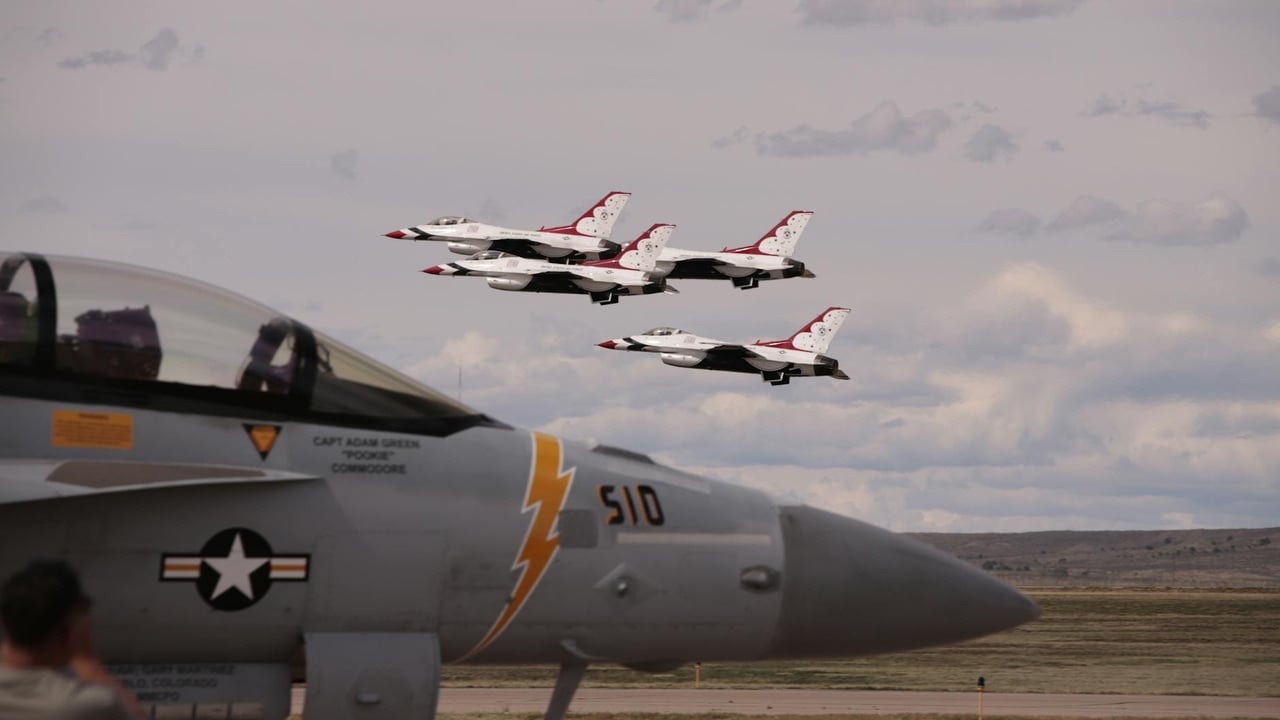

The skies over Lima are darkening, but not from the exhaust of new fighter jets. On April 17, 2026, Peruvian President José Balcázar announced a sudden halt to a multi-billion dollar defense contract with Lockheed Martin, effectively grounding a deal to modernize the nation's aging air force with 12 F-16 Block 70 fighters. The decision, which postpones the final signature to the next administration, has immediately transformed a technical procurement issue into a full-blown diplomatic crisis between Lima and Washington.
President Balcázar, who leads a transitional government set to conclude its mandate in July 2026, framed the delay as an act of fiscal responsibility. With the total project value estimated at $3.5 billion, the President argued that a decision of this magnitude—one that would saddle the country with significant long-term debt—must be made by a government with a clear electoral mandate rather than a caretaker administration. The move effectively punts the selection and contractual process into the late 2020s, much to the chagrin of US defense contractors.
The response from the United States was swift and uncharacteristically blunt. Ambassador Bernardo Navarro took to social media to express visceral frustration, warning that any attempt to negotiate in 'bad faith' or undermine American interests would not go unanswered. Most strikingly, Navarro suggested that the Trump administration is prepared to deploy 'all tools' at its disposal to protect national and regional security, a rhetoric that carries echoes of a more transactional and aggressive era of US-Latin American relations.
This friction highlights the increasingly precarious position of regional middle powers as they navigate the 'America First' approach to security cooperation. For Peru, the F-16 was meant to be a cornerstone of regional deterrence; however, the immense price tag has collided with domestic political realities and a desire for sovereignty in fiscal planning. By threatening retaliation, Washington risks framing what was once a partnership as a coercive demand, potentially driving Lima to look elsewhere for its strategic needs as it waits for its next political chapter to begin.