
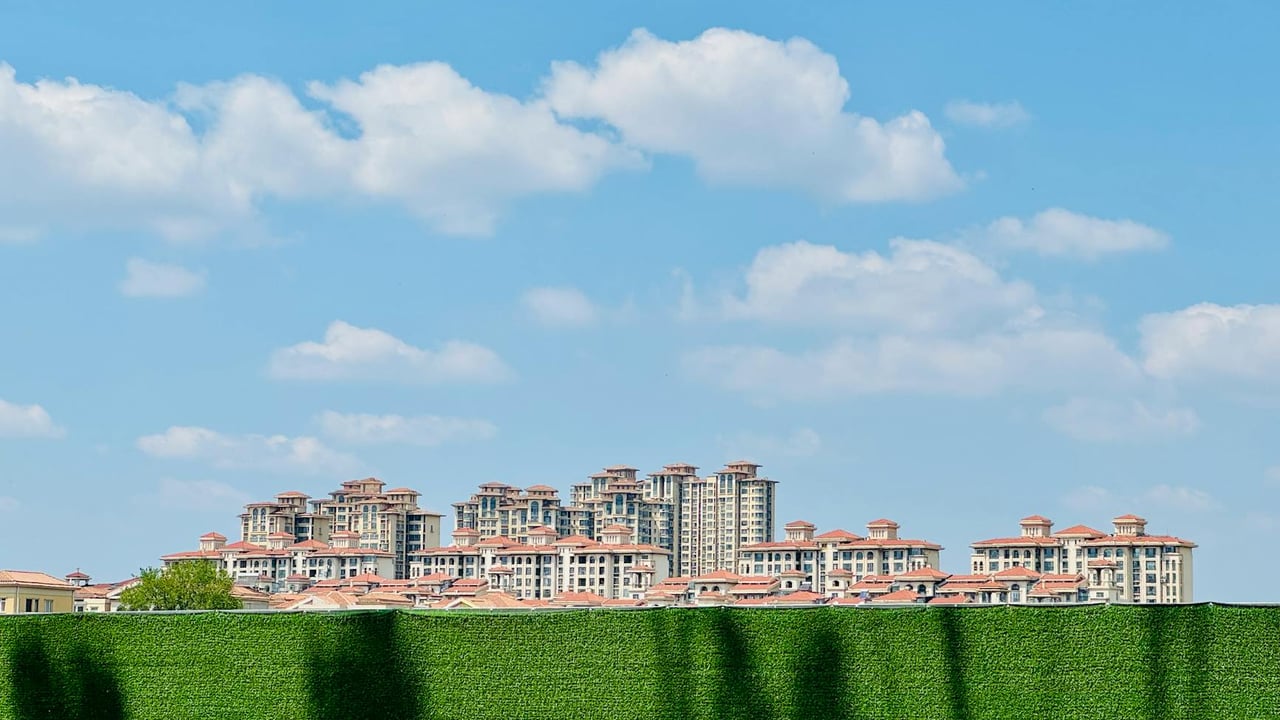

China’s long-suffering real estate sector is flashing signs of a critical turning point as top-tier metropolises broke a year-long cycle of stagnation in March 2026. Data from the National Bureau of Statistics reveals that new home prices in 'first-tier' cities—Beijing, Shanghai, Guangzhou, and Shenzhen—rose by 0.2% month-on-month, marking the first collective appreciation since May 2025. This uptick, while modest, suggests that the heavy-handed support measures and structural shifts in supply are finally gaining traction in the country’s most resilient markets.
The recovery is most visible in the secondary market, which often serves as a more accurate barometer of organic demand than the tightly regulated new-build sector. Pre-owned home prices in first-tier cities surged by 0.4%, ending 11 consecutive months of declines. Beijing led this charge with a 0.6% increase, while transaction volumes in Shanghai hit a five-year high of 31,000 units. This surge in volume suggests that a 'floor' is being established as buyers move back into the market, lured by corrected valuations and stabilized expectations.
Crucially, the broader market is witnessing a fundamental shift in inventory dynamics. For the first time in 51 months, the growth of unsold property stock has reversed, signaling that the industry is moving from a period of glut toward a phase of active clearance. Analysts point to the 'disappearing scissors gap' between new and pre-owned home price trends as a sign of health; when these two metrics align, it typically indicates that market speculation has been purged and price discovery is normalizing.
However, the recovery remains sharply bifurcated. While the 'Big Four' cities and provincial capitals like Dalian and Hefei show strength, third-tier cities continue to grapple with persistent price declines. National property development investment also remains in negative territory, contracting 11.2% year-on-year in the first quarter of 2026. This divergence highlights a K-shaped recovery where capital and demand are retreating to high-quality assets in 'core' urban centers, leaving peripheral markets in a prolonged deep-freeze.