
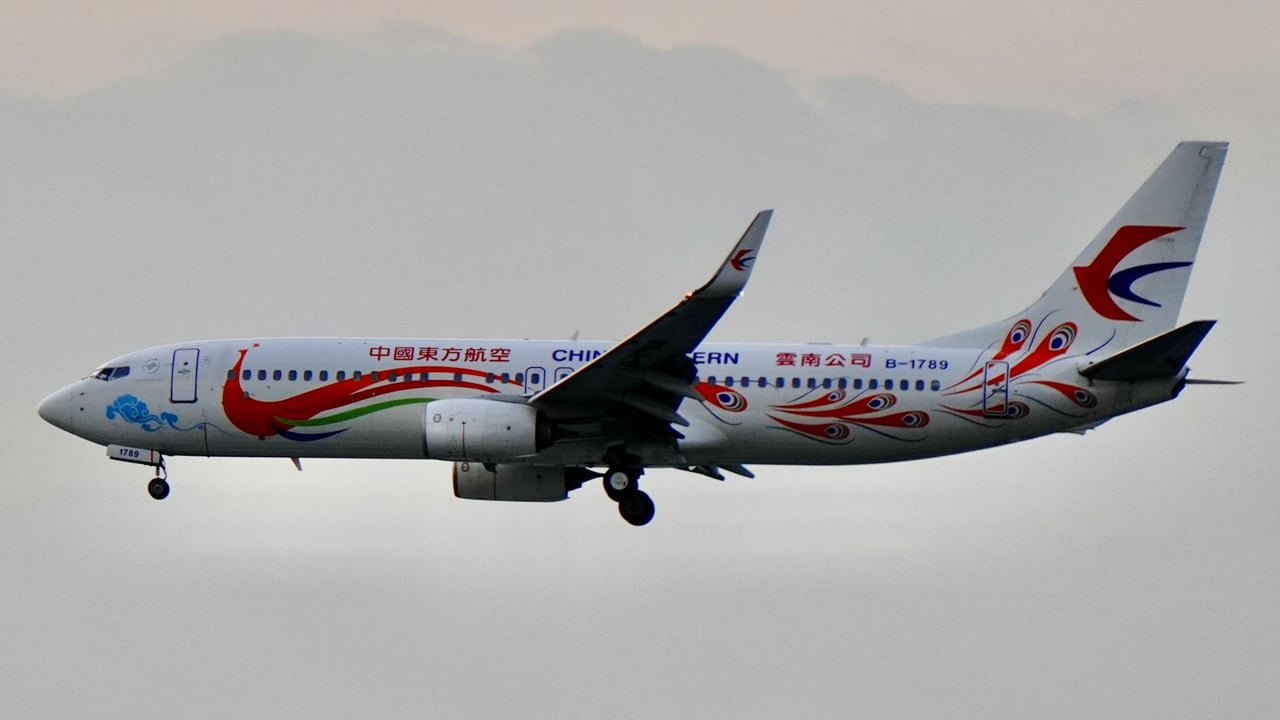

A sudden wave of flight cancellations is disrupting travel plans across China just as the nation prepares for the high-stakes May Day holiday. While many travelers anticipated a seamless return to international tourism, a combination of soaring fuel prices and shifting airline strategies is forcing a dramatic recalibration of the country’s holiday landscape.
International routes to Southeast Asia and Oceania have become the primary casualties of this volatility. Data from flight trackers indicate that cancellations for May have spiked, with some long-haul routes from cities like Jinan to Sydney seeing a total suspension of service. The underlying cause is an economic squeeze triggered by Middle East tensions, which have driven aviation fuel prices up significantly and increased overall operating costs by as much as 50%.
Chinese carriers, including industry giants like Air China and China Southern, are leading the retrenchment. Rather than flying half-empty planes or absorbing the high costs of imported fuel at international hubs, airlines are opting to merge underperforming flights or cut routes entirely. This fiscal discipline highlights a shift from the volume-first expansion of the pre-pandemic era to a more margin-focused operational model.
The domestic market is not immune to these pressures, with several interior routes also seeing 'operational' cancellations. However, instead of canceling their vacations, Chinese travelers are pivoting toward a trend known as 'overseas substitution' tourism. Deprived of affordable flights to Bangkok or Melbourne, tourists are increasingly flocking to domestic destinations that offer exotic landscapes or high-end leisure experiences.
This shift is particularly benefiting China’s western and northwestern provinces. Sales for vacation packages in regions like Yunnan, Sichuan, and Xinjiang have doubled year-over-year as travelers seek out domestic alternatives that mimic the 'getaway' feel of international travel. Simultaneously, smaller tier-three cities like Dingan and Luzhou are seeing hotel bookings surge by triple-digit percentages, signaling a decentralization of the traditional tourist map.
As airfares rise due to fuel surcharges, the high-speed rail network is stepping in to absorb the overflow. China’s rail operators expect to move a record 31.8 million passengers during the holiday period, a clear indication that while the mode of transport and destination may change, the appetite for travel remains resilient. The resulting landscape is one of a deeper, more domestic-centric exploration of the Chinese interior.