
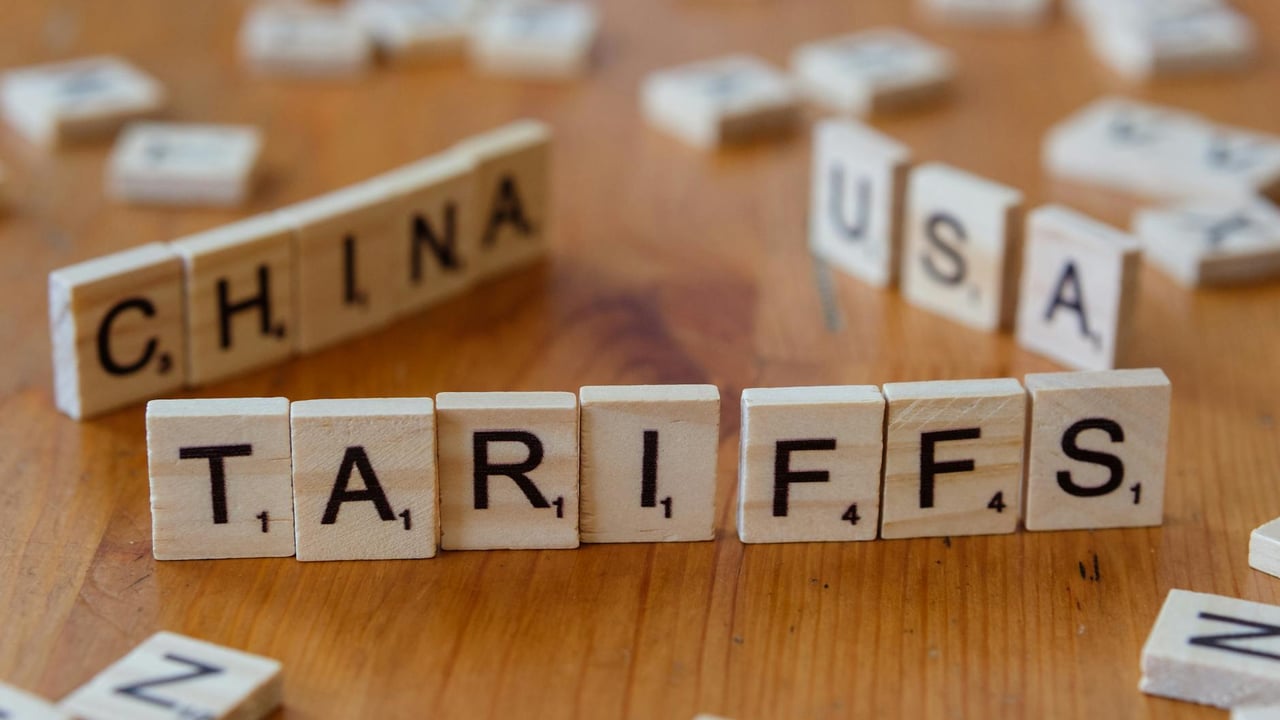

As the dust settles on the high-stakes diplomatic theater of Donald Trump’s second term, the global economic order finds itself in a state of radical reconfiguration. The aggressive 'reciprocal tariff' strategy and 'transactional politics' that defined 2025 have not yielded the quick surrender the White House anticipated. Instead, the year was marked by a brutal cycle of escalation where US tariffs on Chinese goods peaked at a staggering 145%, met by symmetrical Chinese counter-tariffs of 125%, effectively freezing bilateral trade.
By early 2026, the rhetoric of 'maximum pressure' has given way to a 'tactical truce,' a realization that the weaponization of interdependence cuts both ways. The US administration’s attempt to seize strategic maritime assets and tighten tech controls faced a China that had significantly hardened its domestic resolve. The previous era of 'America-worship' or 'America-phobia' within Chinese elite circles has largely vanished, replaced by a stoic readiness for protracted 'entanglement'—a term popularized by influential scholar Zhai Dongsheng to describe the new normal of great power rivalry.
Washington’s campaign was ultimately constrained by the volatility of its own capital markets. The 'three-way kill' of US stocks, bonds, and forex markets in early 2025 exposed the fragility of a retirement-fund-dependent economy facing high inflation and supply chain paralysis. When 67% of medical needles in the US are sourced from China, a trade war is not just a policy choice but a risk to public health. This reality forced the Trump administration to issue sweeping exemptions for core consumer electronics and medical supplies, undermining the very leverage the tariffs were meant to create.
Looking toward the remainder of 2026, the battlefield is shifting from trade deficits to monetary policy and strategic geography. With a more compliant Federal Reserve expected to pivot toward aggressive interest rate cuts, the dollar index is likely to weaken, potentially triggering a massive capital reflux into China. Meanwhile, Beijing is pivoting from a defensive 'guest' globalization toward a 'host' globalization, exploring a 'World Minus One' system that excludes the US while deepening ties with the Global South and traditional US allies currently feeling the sting of American protectionism.