
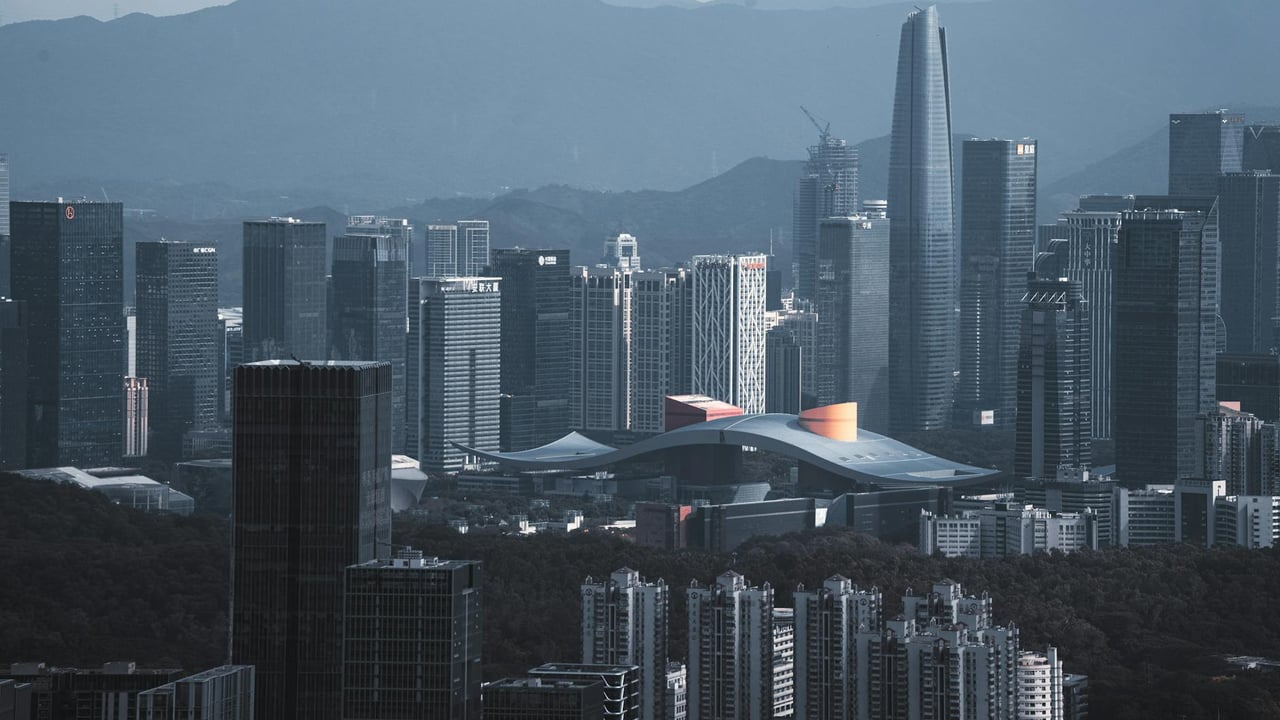

In the high-tech corridors of Shenzhen, a new ritual has emerged among venture capitalists. Investors are no longer just looking for the next big idea; they are 'trapping' talent directly from the halls of DJI’s 'Sky City' headquarters. This phenomenon, known as the 'DJI Clique' (大疆系), has become the most coveted pedigree in China’s hardware venture capital scene, fueled by the staggering success of startups founded by former employees of the world’s drone leader.
The catalyst for this frenzy is Bambu Lab, a 3D printing startup founded by ex-DJI engineers. In just five years, Bambu Lab reached an annual revenue of 10 billion RMB, a milestone that took DJI itself a decade to achieve. This growth myth has sent shockwaves through the investment community, leading firms like Sequoia China and Hillhouse Capital to offer seed funding to DJI executives before they even officially resign, sometimes valuing pre-product startups at upwards of $300 million.
DJI has effectively become the 'Whampoa Military Academy' for consumer electronics. Unlike the disciplined 'screws in the machine' typical of Huawei or the sales-centric veterans of Anker, DJI alumni are characterized by a 'geek' aesthetic and a focus on premium global branding. They are moving into niches ranging from portable power and e-bikes to humanoid robotics and smart home appliances, often targeting high-end international markets from day one.
However, this talent exodus reveals internal tensions within DJI’s 'Utopia.' Founder Frank Wang once envisioned the company as a pure haven for technical truth, but as the organization matured, it shifted toward refining existing products rather than radical innovation. Many veteran engineers, fueled by the fear of missing out on the current AI hardware gold rush and dissatisfied with DJI’s opaque incentive structures, are choosing to build their own kingdoms rather than remain in a tightening corporate hierarchy.
Despite the hype, the market is beginning to signal a cooling period. Some investors warn that the 'first harvest' of top-tier talent has already passed and that astronomical valuations are becoming harder to justify as the novelty of the DJI pedigree wears thin. As these startups face the grueling 12-to-18-month product iteration cycles of the hardware world, many will discover whether they can replicate the DJI magic or if they were merely leaves blown off a tree by a temporary gust of venture capital.