
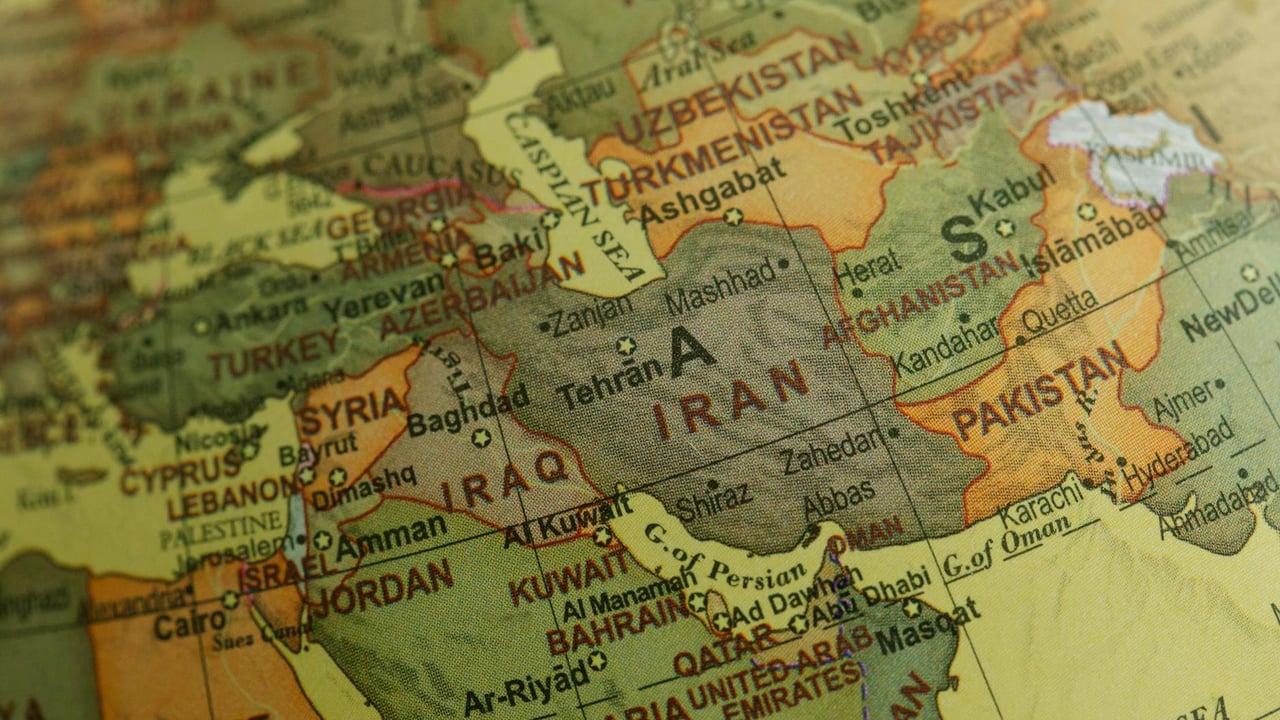

As President Donald Trump returned to Washington D.C. from Arizona on April 17, his remarks aboard Air Force One signaled a high-stakes return to his signature brand of coercive diplomacy. With a temporary ceasefire with Iran set to expire on April 22, the President warned that military operations could resume if a comprehensive agreement is not reached.
The threat of "throwing bombs" represents a sharp escalation in rhetoric, even by the standards of this administration's strained relations with Tehran. While Trump suggested that a continued naval blockade of Iranian ports is a certainty, the shift from economic strangulation to kinetic action remains the ultimate hammer in his negotiating toolkit.
The April 22 deadline serves as a pivotal moment for regional stability, following months of volatile standoffs that have rattled global energy markets. Analysts suggest that the President's public ultimatum is designed to extract last-minute concessions from the Iranian leadership, who are currently grappling with the dual pressures of domestic unrest and a crippled economy.
Despite the bellicose language, Trump maintained a characteristic note of optimism, asserting his belief that a deal "will happen." This juxtaposition of military threats and diplomatic confidence is a hallmark of his "Maximum Pressure" strategy, aiming to force a breakthrough by making the alternative—renewed conflict—unbearable for the adversary.