Tokyo’s Strait Talk: Japanese Destroyer Transit Sharpens Tensions with Beijing

The Japanese destroyer JS Ikazuchi conducted a 14-hour transit of the Taiwan Strait, drawing sharp condemnation and military monitoring from China's Eastern Theater Command. The event underscores Japan's increasingly assertive maritime strategy and its growing role in the security dynamics surrounding Taiwan.

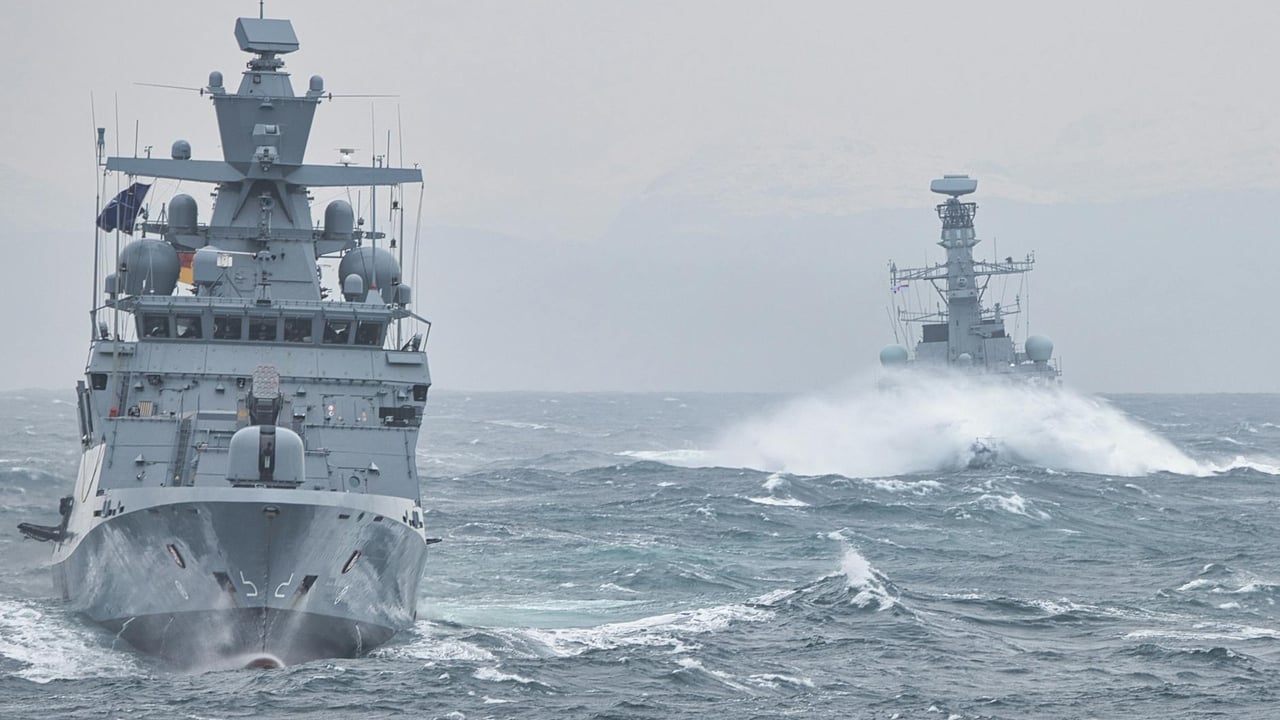
Navy warships navigating turbulent ocean waters showcasing maritime strength.

Key Takeaways

  • 1The JS Ikazuchi transited the Taiwan Strait on April 17, 2026, between 04:02 and 17:50.
  • 2The PLA Eastern Theater Command deployed naval and air assets to monitor and 'regulate' the Japanese vessel.
  • 3China officially condemned the move as a provocative signal to 'Taiwan independence' forces.
  • 4The incident highlights Japan's strategic shift toward active participation in Taiwan Strait security.
  • 5The PLA remains on high alert, emphasizing its intent to safeguard national sovereignty against foreign naval presence.

Editor's
Desk

Strategic Analysis

The transit of the JS Ikazuchi represents a 'new normal' in East Asian geopolitics where Japan is no longer a silent observer of the Taiwan issue. By conducting such a lengthy and public transit, Tokyo is effectively engaging in 'gray zone' deterrence, testing Beijing's threshold for intervention without crossing the line into open conflict. This development is likely to accelerate China's own military modernization in the Eastern Theater, as Beijing now views the Taiwan Strait not just as a domestic flashpoint, but as a primary theater of confrontation with a revitalized Japanese military backed by the U.S. alliance.

China Daily Brief Editorial
Strategic Insight
China Daily Brief

The passage of the Japanese destroyer JS Ikazuchi through the Taiwan Strait on April 17 marks a significant escalation in the maritime chess match between Tokyo and Beijing. For nearly fourteen hours, the Japan Maritime Self-Defense Force vessel navigated the sensitive waterway, a move that triggered an immediate and sharp rebuke from the People’s Liberation Army’s Eastern Theater Command.

Beijing’s reaction was characteristically stern, with Senior Colonel Xu Chenghua framing the transit as a "wrong signal" to separatist forces in Taiwan. The PLA’s decision to publicize its "track and monitor" operations serves as a dual-purpose message: it asserts China’s perceived sovereignty over the strait while attempting to delegitimize the presence of foreign naval assets in what it considers its internal waters.

This incident is not an isolated tactical maneuver but reflects a fundamental shift in Japan’s regional security posture. Under its current defense doctrine, Tokyo has increasingly abandoned its historical reticence, viewing the security of the Taiwan Strait as vital to its own national survival. By transiting the strait, Japan is signaling its commitment to a "Free and Open Indo-Pacific" alongside its allies, effectively challenging China’s efforts to turn the waterway into a closed strategic lake.

The timing and duration of the transit—spanning nearly the entire daylight period—suggest a deliberate effort by Japan to normalize its presence in these contested waters. As the PLA continues to increase its own air and sea sorties around Taiwan, Tokyo’s willingness to deploy sophisticated surface combatants like the Ikazuchi indicates that the regional balance of power is no longer a bilateral affair between Washington and Beijing.

Share Article

Related Articles

📰
No related articles found